
How to Choose the Right Abrasive Belt Grit?
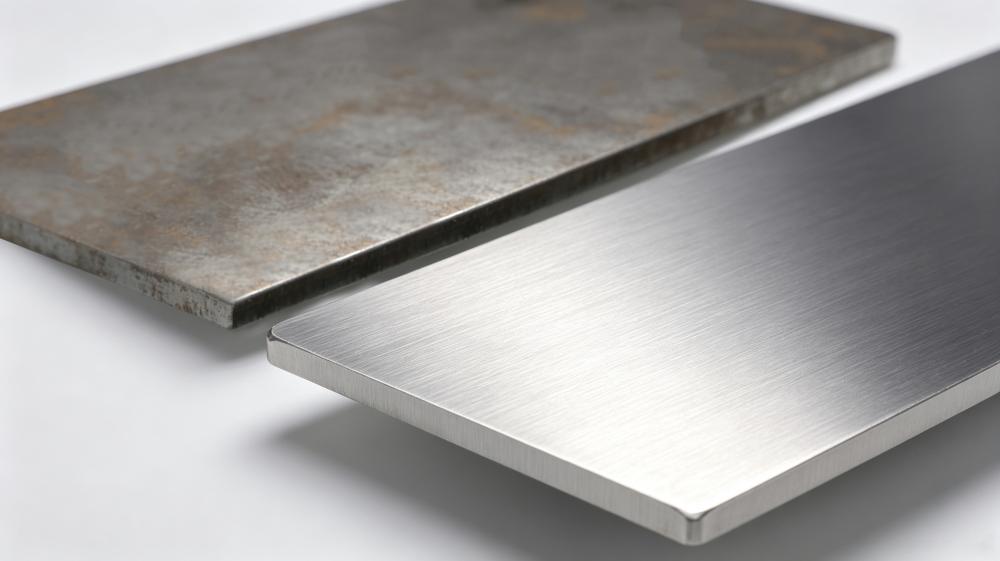
Many sheet metal and metal processing factories often face the same problem: why do some abrasive belts remove burrs fast, while others leave scratches or fail to clean edges completely?
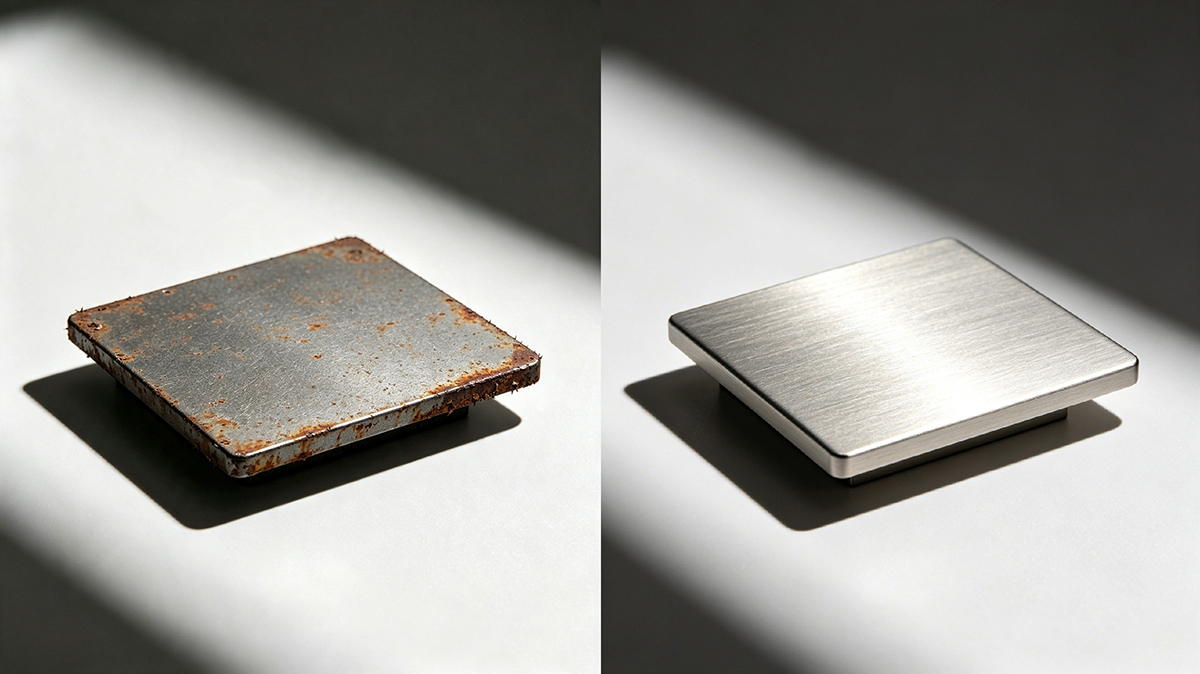
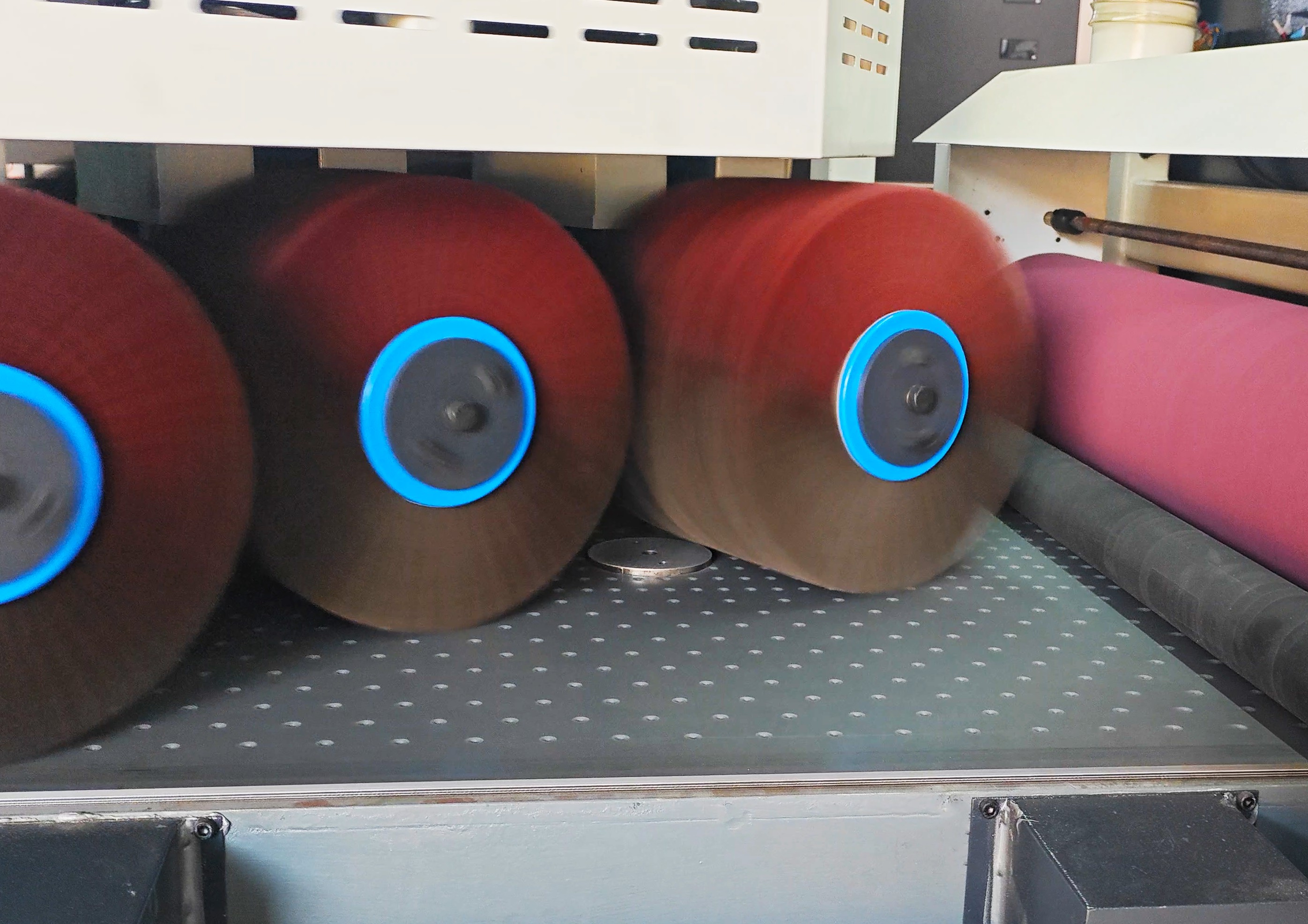
| 1. What is Abrasive Belt Grit? Grit refers to the amount of sand grains on the belt surface. Lower grit belts remove more material and clean heavy burrs. Higher grit belts fix surface scratches, flatten workpieces and deliver smooth polishing results. 2. Grit Selection by Metal Material Carbon Steel: 80# – 120# Hard burrs and heavy slag require medium-coarse grit for efficient removal. Stainless Steel: 80# – 180# Hard material needs fine grinding to avoid deep surface scratches. Aluminum & Copper: 120# – 180# Soft metals are prone to over-grinding and scratching,coarse grit is not recommended.
3. Common Factory Mistakes in Grit Selection Mistake 1: Using high grit for heavy burrs 240# or higher grit cannot remove heavy laser slag, resulting in inefficient processing. Mistake 2: Using only coarse grit 80# grit cleans burrs perfectly but leaves obvious grinding marks, unqualified for final delivery. Mistake 3: Using one grit for all materials Coarse grit on aluminum causes edge damage; high grit on stainless steel drastically reduces production efficiency. | 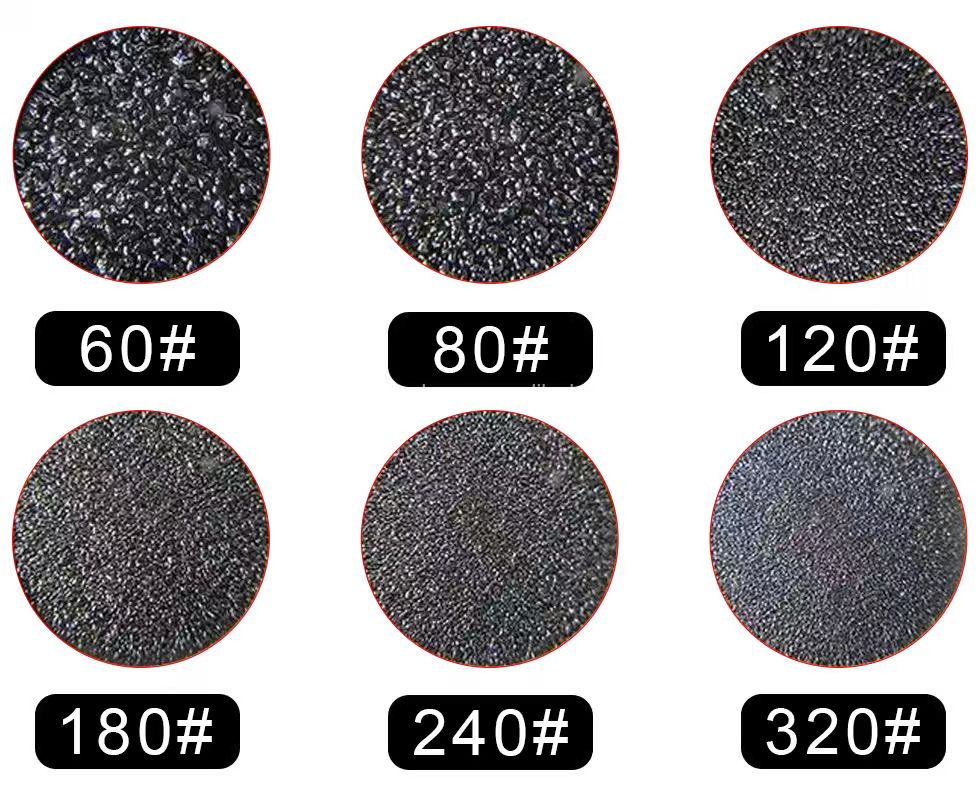 |
4. Recommended Grit Matching Solution
Standard batch sheet metal processing: 80#120# (Best Choice)
Appearance polishing & bright finishing: 240#320#
Conclusion
There is no “best” abrasive belt grit — only the most suitable one.
Proper grit selection balances deburring cleanliness, surface quality, processing speed, and belt service life.
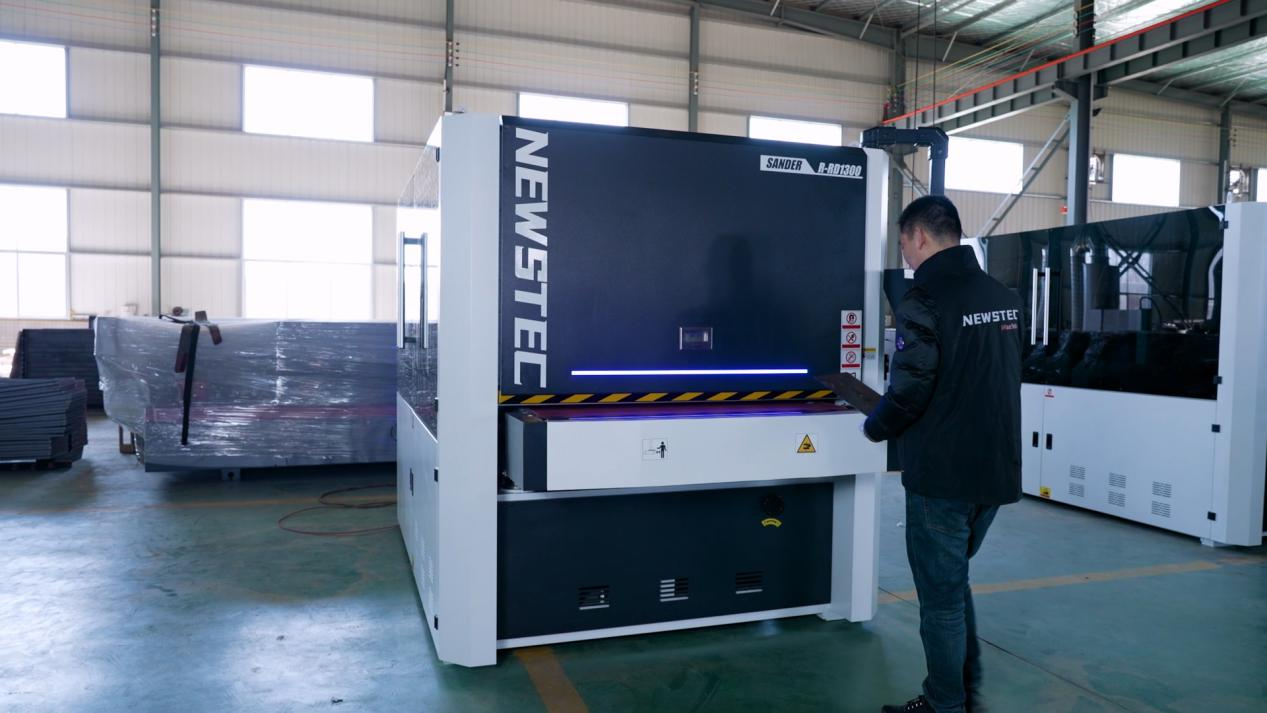
NEWSTEC provides professional abrasive belt selection solutions based on your material type and burr condition, ensuring stable and consistent finishing for every batch.