
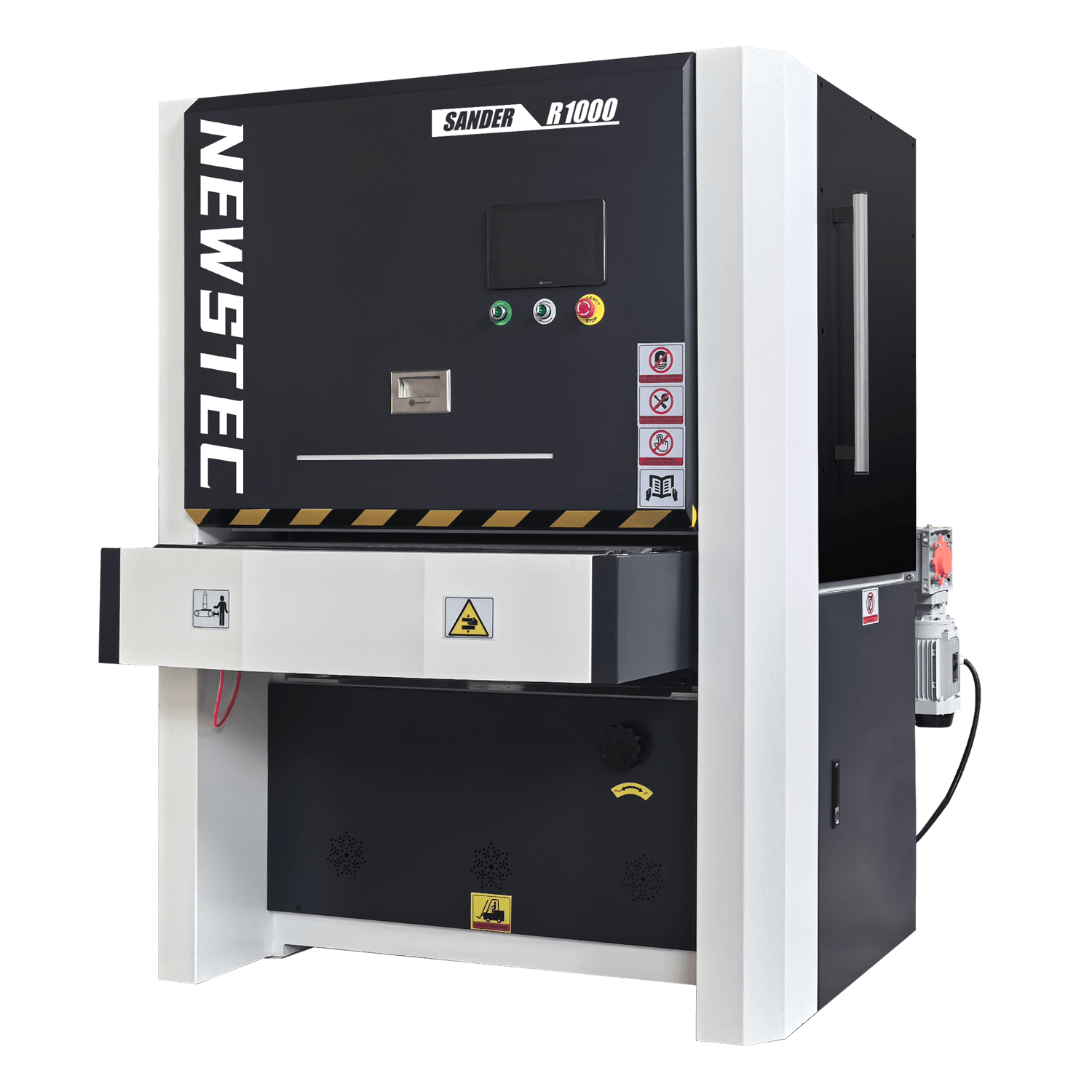
What grinding method should be selected for different metal sheets?
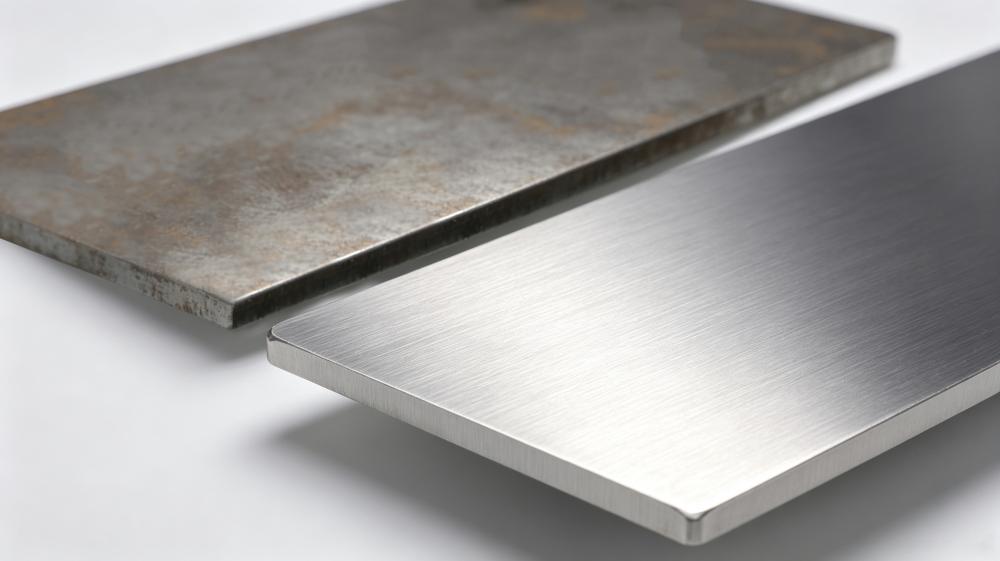
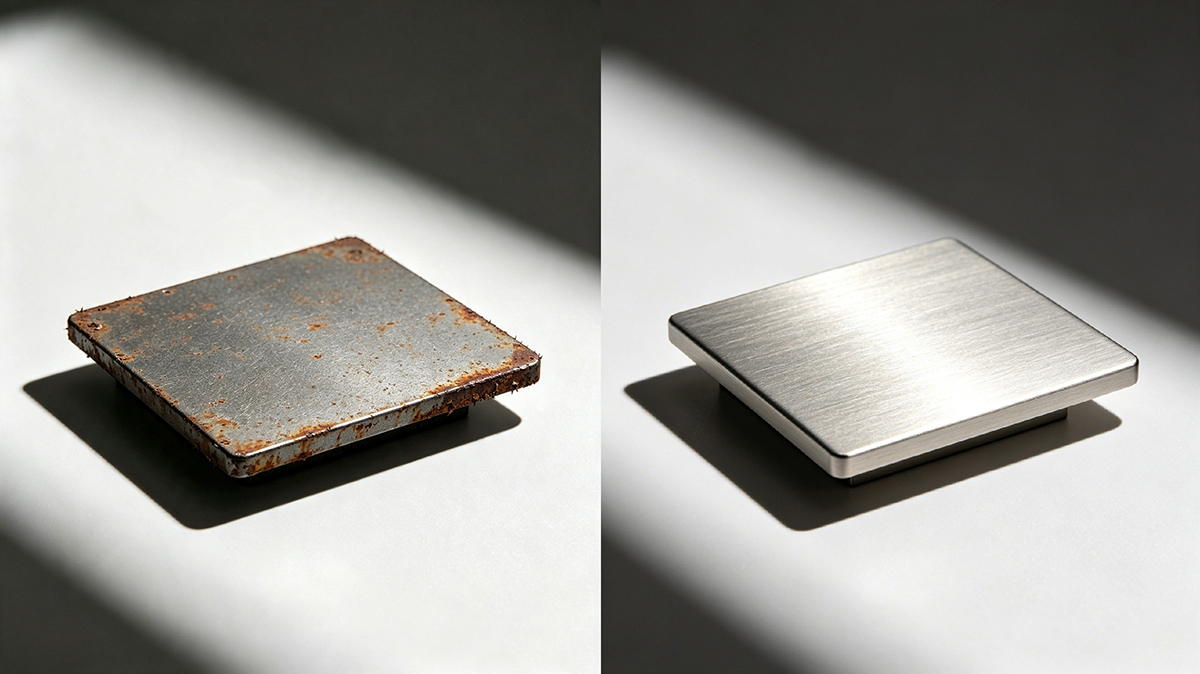
The core principle is that the material hardness, plate thickness, surface target (deburring, descaling, wire drawing, removal of tool marks), and whether the plate is easily deformed determine the grinding process; thin plates should be ground with low pressure, hard materials can be ground with large cutting volume, and soft metals should be ground to prevent sand adhesion and clogging.
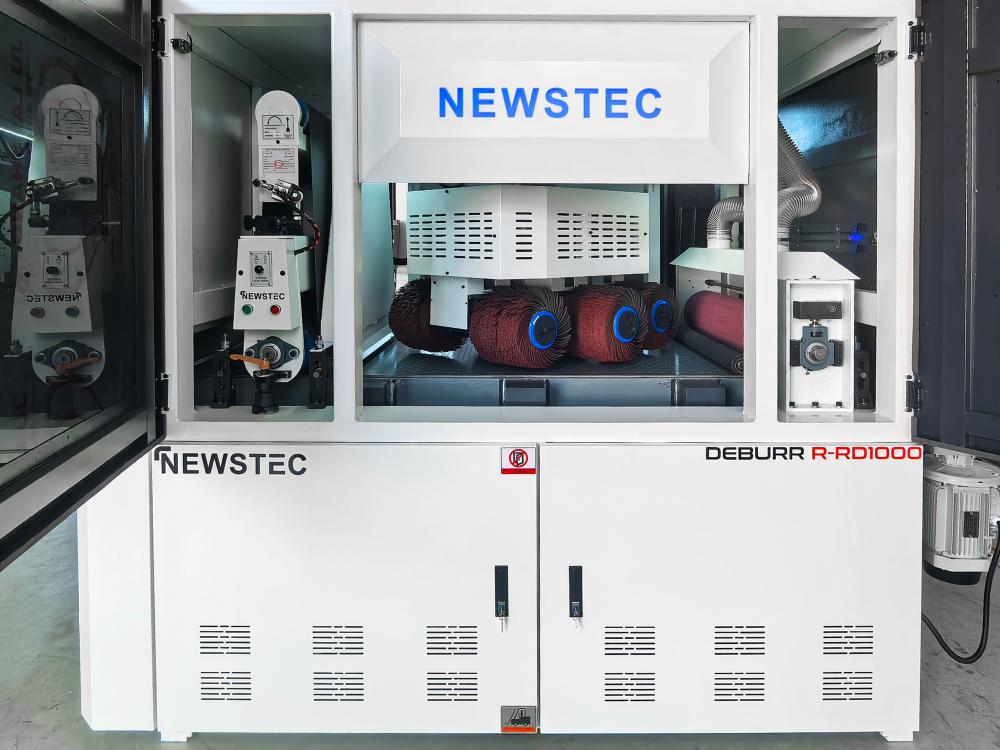
1.Stainless Steel Sheet (201/304/316)
Material Characteristics: High toughness, prone to overheating and grinding, easily produces machining marks, high rust resistance requirements.
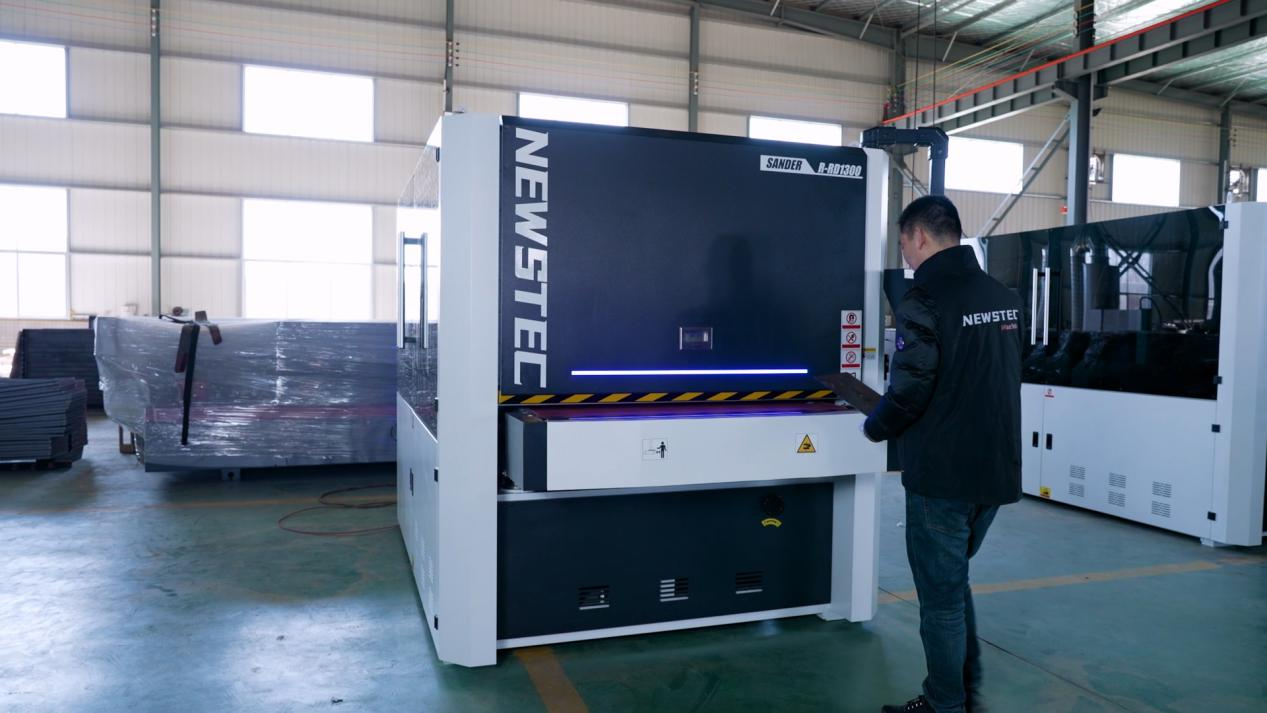
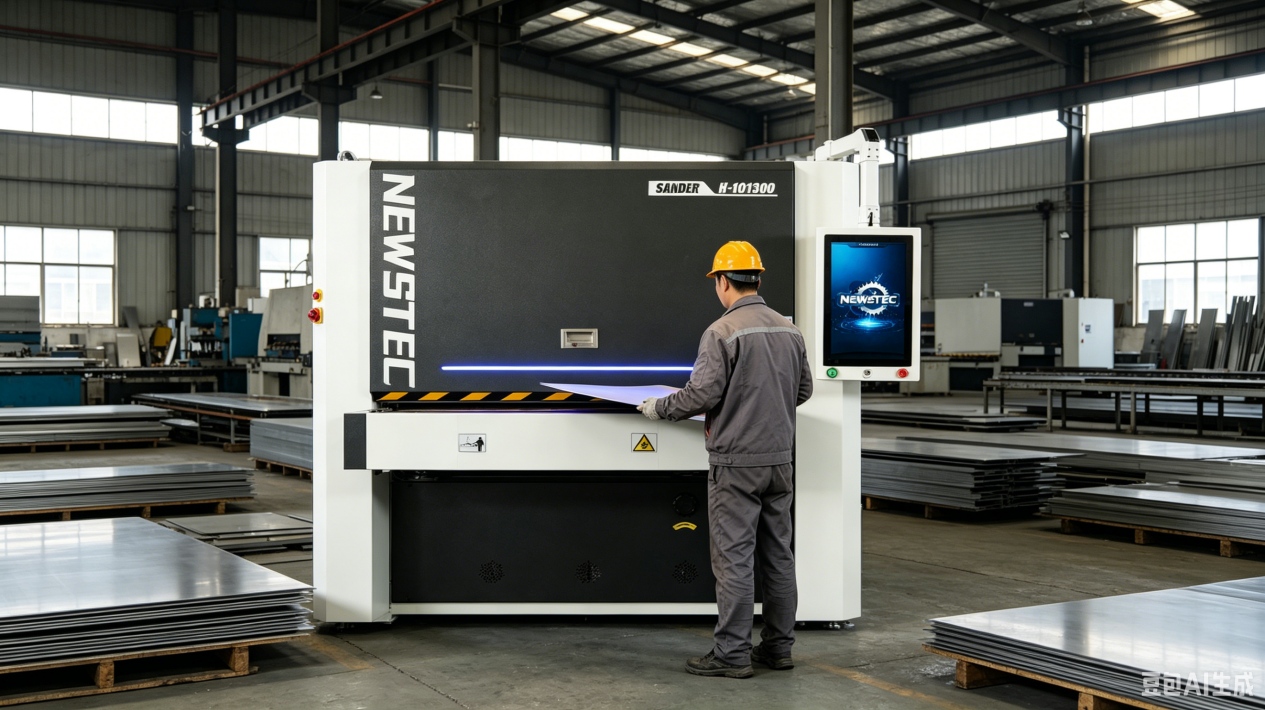
Deburring, Removing Weld Slag, and Removing Oxide Scale: Wide belt sander / Deburring Machine
1.Sanding Belt: 80# 120#, for coarse deburring and removing slag from laser cutting; for thin plates, reduce roller pressure to prevent warping.
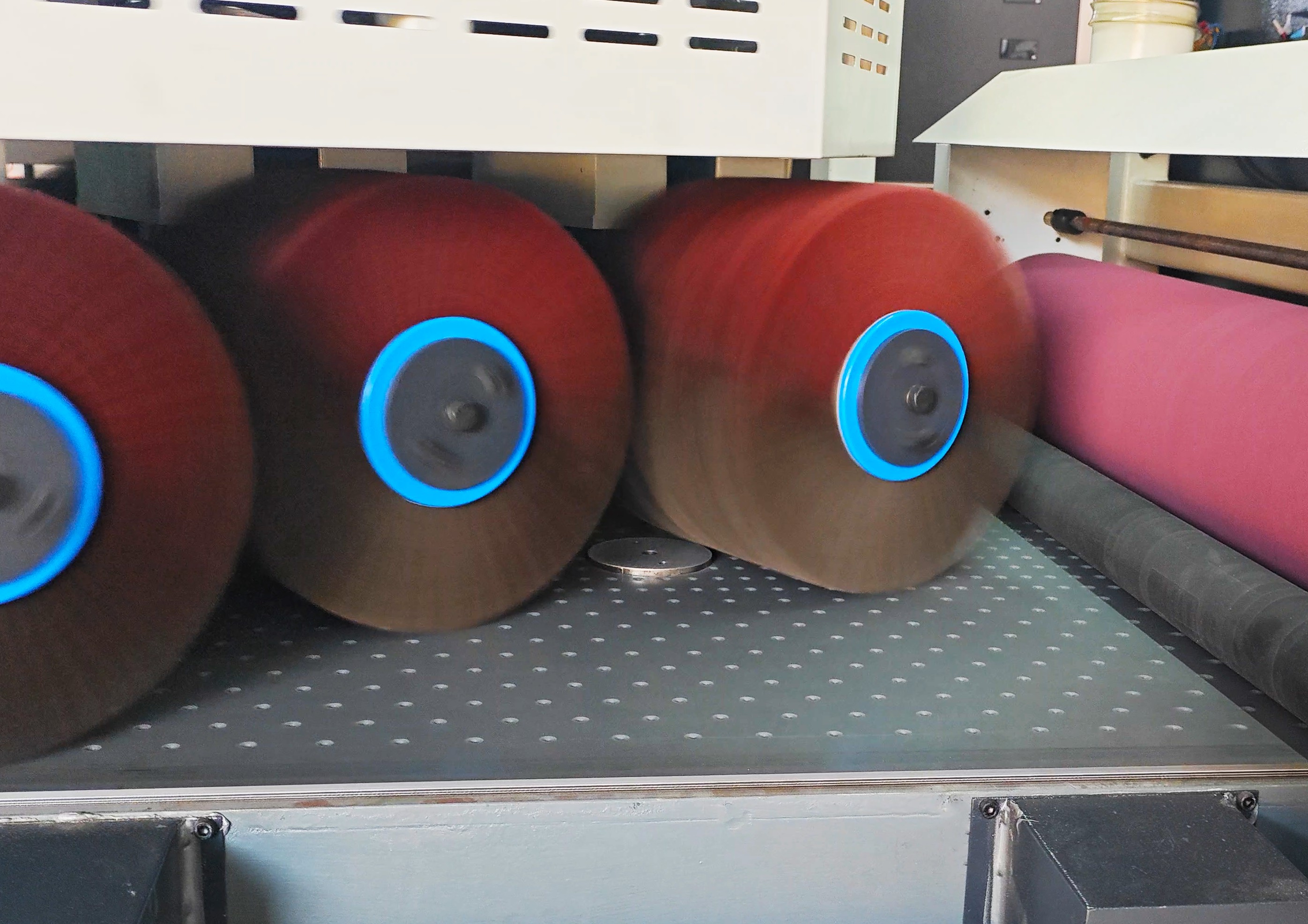
2.Brushed Surface (HL brushed, most commonly used): Scrubbing cloth roller + sanding belt combination, 180# 320#
⚠️Caution: High pressure and prolonged grinding with coarse sandpaper can easily cause overheating and discoloration; do not use coarse steel brushes, as they will embed iron filings and cause rust later.
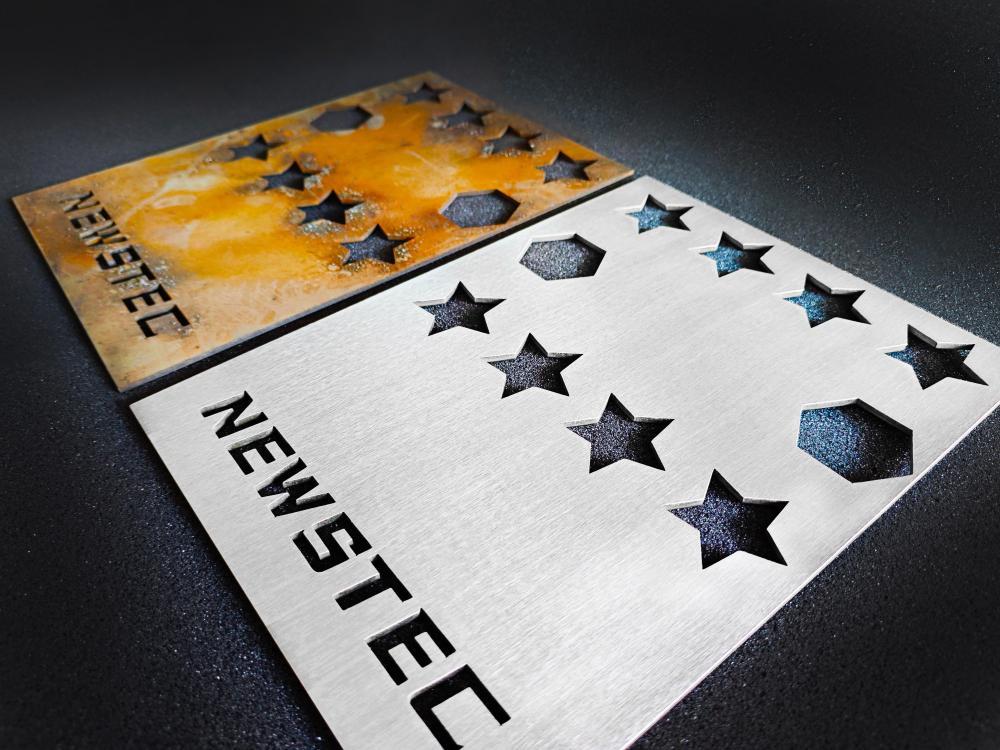
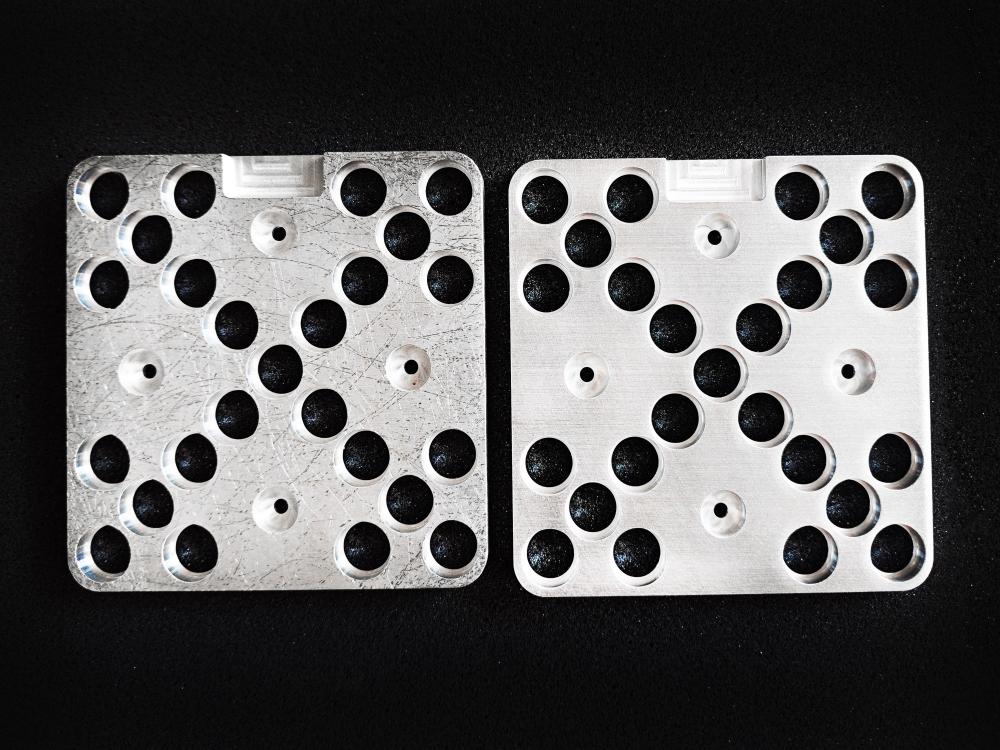
2.Aluminum Plate / Aluminum Alloy Plate
Material Characteristics: Soft texture, easily attracts sanding belts and clogs abrasive; easily deformed by heat; thin plates are particularly prone to warping.
Deburring/Burning: Nylon brush + soft sanding belt, grit size 120-180#, low cutting depth, multiple light grinding passes, avoid large cuts in one pass.
1. Roller Brush Deburring Machine is preferred; heavy pressure with hard sanding belts is not recommended.
1. Brushed finish: 240# or 380# sanding belt, faster feed speed to reduce dust adhesion; use aluminum-specific sanding belts.
2.Matte/Satin effect: Non-woven abrasive rollers for a fine satin finish.
⚠️Important: Aluminum is very prone to sanding; sanding belts with an anti-stick coating should be selected; for thick plates, parameters can be increased appropriately; for 0.8-3mm thin plates, pressure must be reduced. Aluminum dust is flammable and explosive; wet sanding or a dust collector is recommended.
3. Carbon Steel / Cold-Rolled Steel Plate, Hot-Rolled Plate
Material Characteristics: Medium hardness, with oxide scale and rust, does not easily attract abrasive, high cost-performance ratio
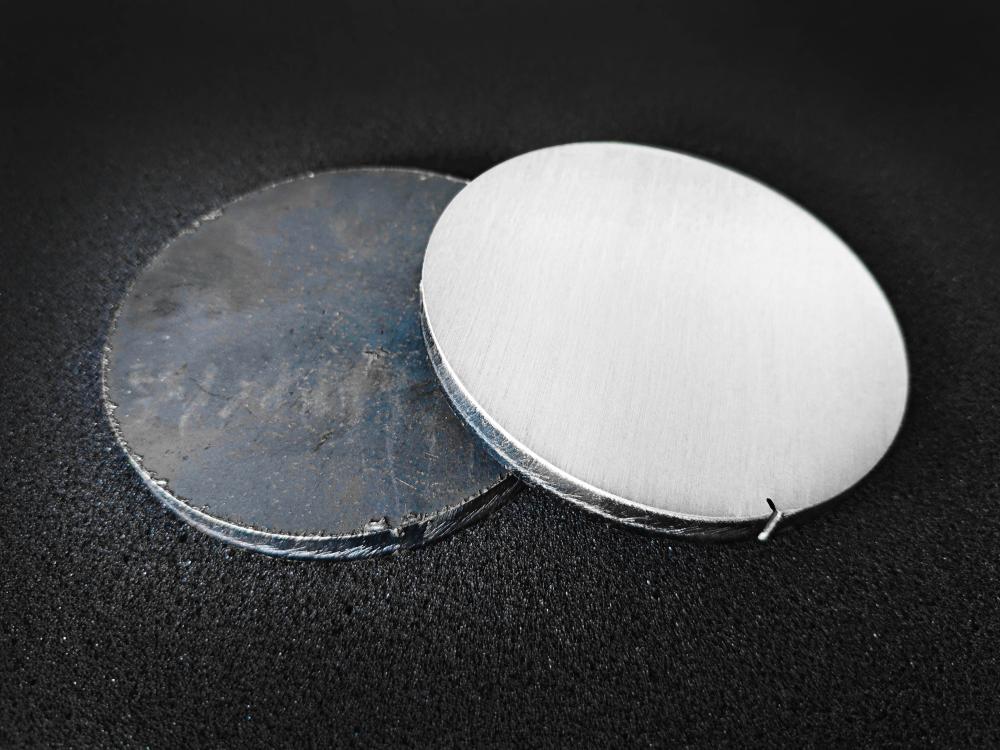
1. Hot-rolled plate (with black oxide layer): Coarse sanding with 60#/80# wide belts to remove oxide scale and rust; then fine grinding with 120#/180#.
2. Cold-rolled plate deburring and removal of tool marks: 80#/120# sanding belts, roller Brush Deburring.
3. Ordinary matte surface: 180#/240# sanding.
⚠️: Carbon steel will rust after grinding. Apply spray coating and phosphate coating as soon as possible after grinding; do not share the same sanding belts and roller brushes with stainless steel, as iron filings will contaminate the stainless steel and cause rust spots.
General Practical Operating Points
● Thin plates (<3mm): Use a Deburring Machine first, minimize the use of hard abrasive belts for heavy pressure to prevent warping and deformation; multiple light grinding passes are more effective than one heavy grinding pass.
● Thick plates (≥6mm): Use a wide-band sander, which can use a larger abrasive belt cutting amount to remove oxide scale and cut large burrs.
● Separate consumables: For carbon steel, stainless steel, and aluminum, use separate abrasive belts and rollers as much as possible to avoid embedding dissimilar metals and causing subsequent corrosion.
Grit size logic: When coarse grinding removes defects, the grit size must be gradually reduced; do not jump directly to a larger grit size; skipping grits will leave marks from the previous coarse grinding that cannot be removed.