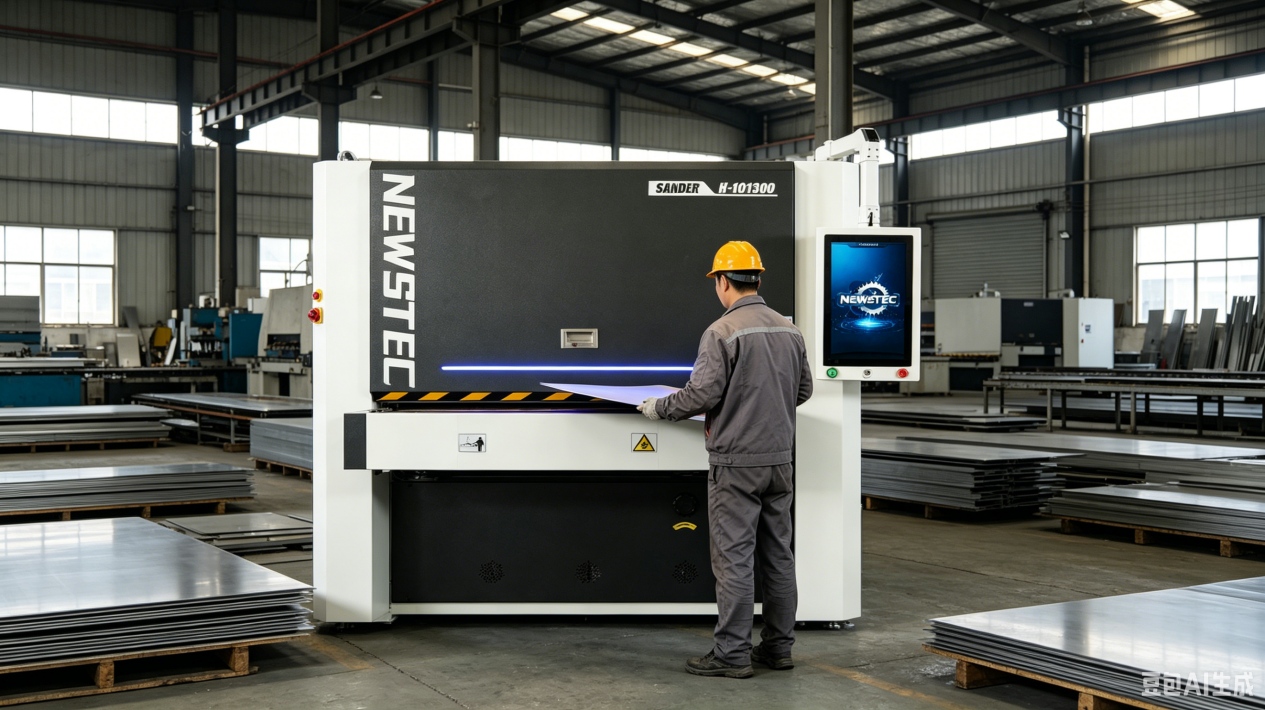
Deburring Machine Maintenance Manual and Standardized Maintenance Operation Procedures
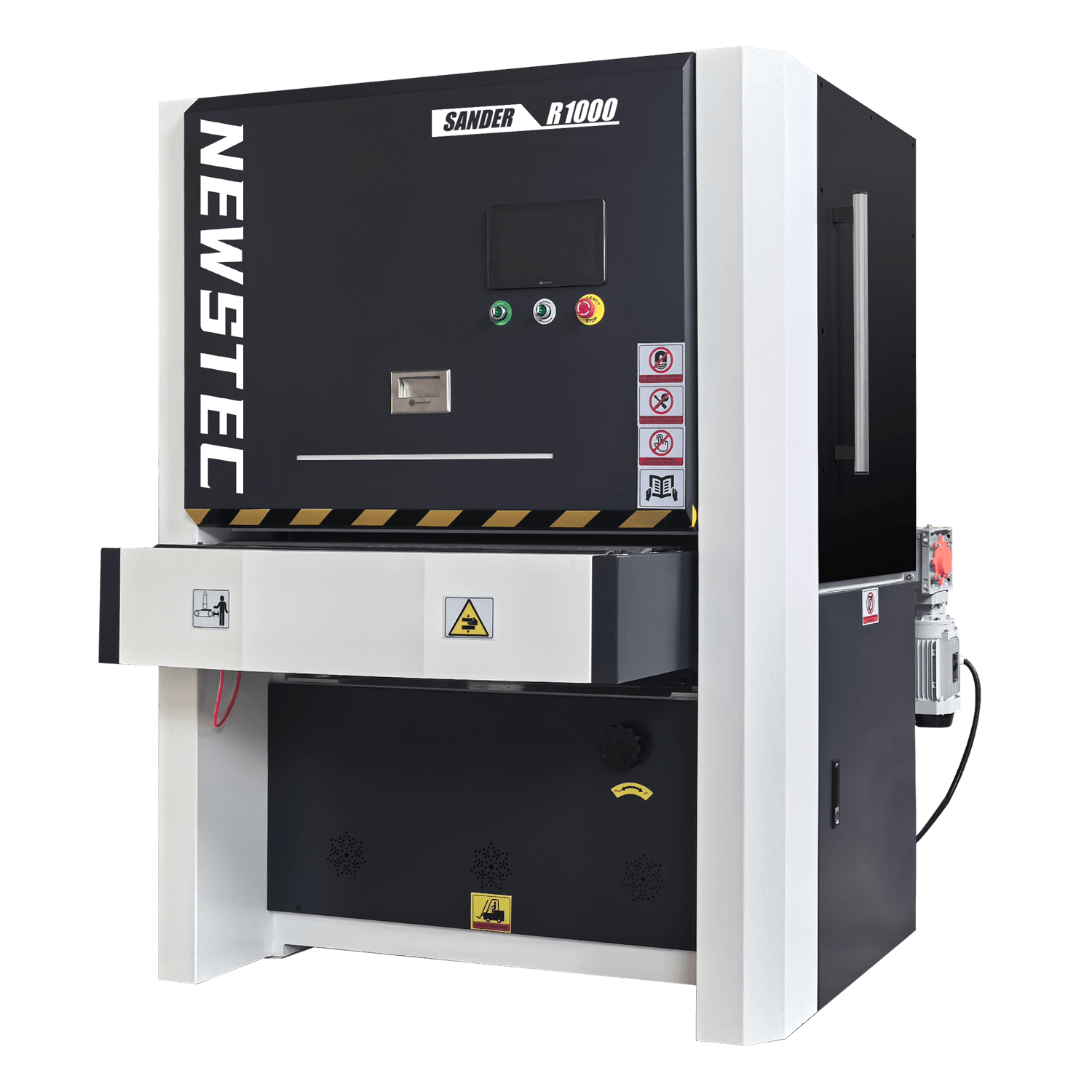
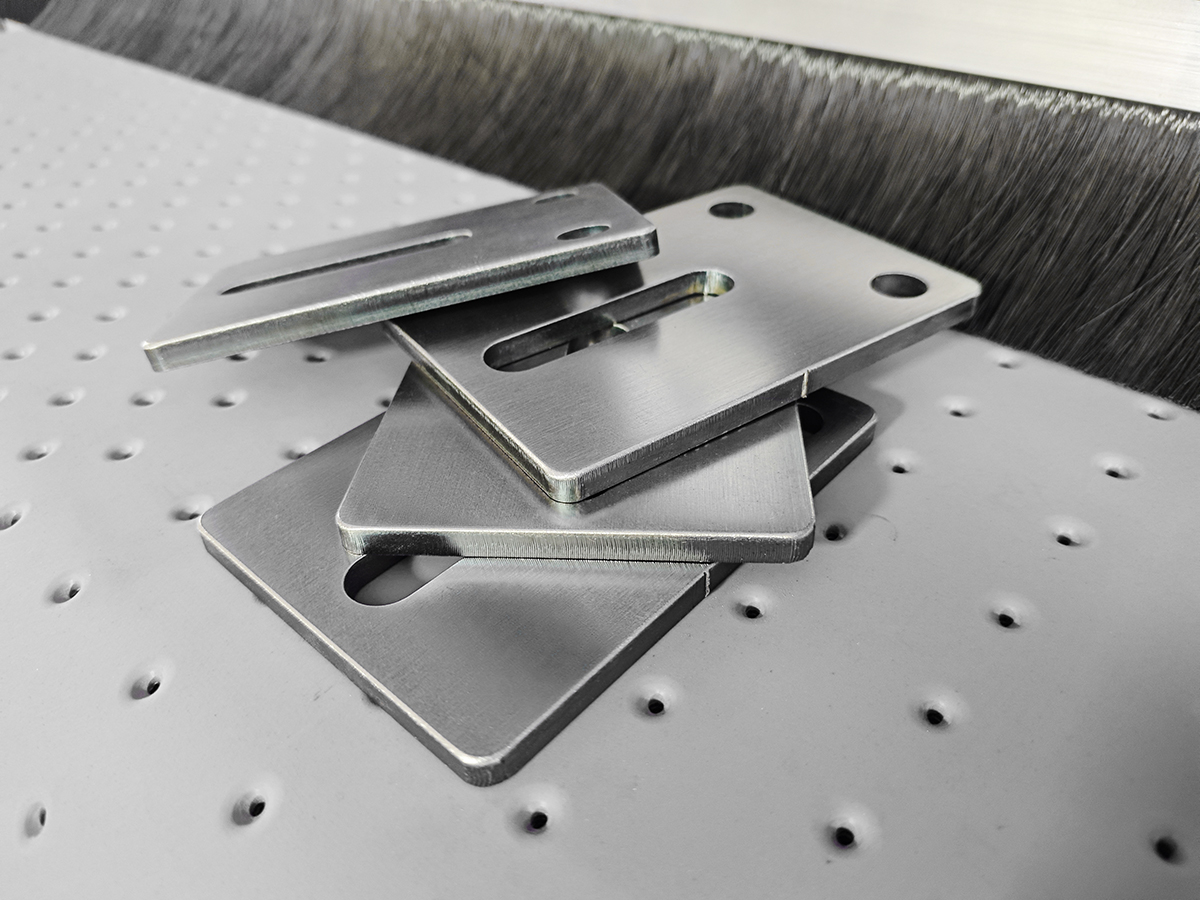
I. Purpose and Significance of Maintenance Deburring machines are key equipment in the precision machining field. Their stable operation directly affects product quality, production efficiency, and equipment lifespan. Standardized maintenance can effectively prevent malfunctions, reduce downtime, ensure machining accuracy, and avoid safety accidents. This specification applies to various mechanical, pneumatic, and hydraulically driven Deburring Equipment, including common types such as brush-type and grinding wheel-type.
II. Daily Maintenance Procedures (Daily/Weekly)
1. Daily Maintenance (Before Start-up + During Operation + After Shutdown)
- Before Start-up:
- Check the power supply voltage (±5% of rated value) and air supply pressure (0.6-0.8MPa) to ensure they are normal and there are no leaks;
- Clean the worktable, feed inlet, and waste collection area to ensure there is no obstruction;
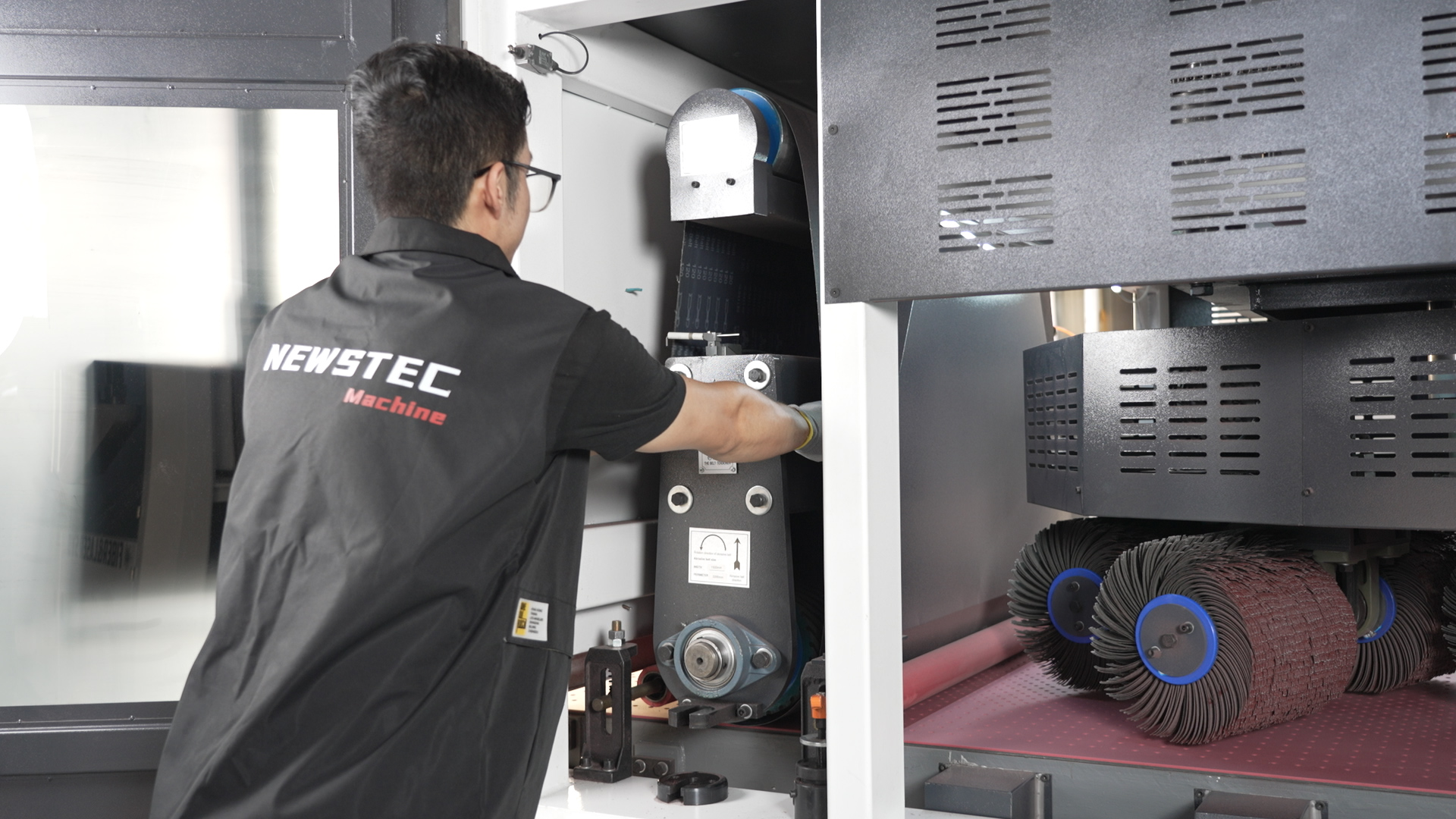
- Check the wear of the tools (brush, grinding wheel, blade, etc.). If the brush bristles are reduced by 1/3, the grinding wheel has cracks, or the blade edge is dull, replace them immediately. - During operation: - Observe the equipment for any abnormal noises, vibrations, or temperature increases (motor casing temperature ≥60℃); - Confirm the deburring effect. If excessive residue remains, adjust the feed speed or pressure promptly.
- After shutdown: - Disconnect the power and air supply, and clean the waste collection box; - Use compressed air to blow away dust from the machine surface and internal crevices. Apply the specified type of lubricant (e.g., ISO VG32) to moving parts such as guide rails and lead screws.
2. Weekly maintenance: - Check all fasteners (screws, nuts) for looseness, focusing on reinforcing transmission components (gears, pulleys);
- Clean the air filter (pneumatic system) and replace any clogged filter elements; - Check belt tension: Press the middle of the belt with your finger; the deflection should be between 3-5mm. Adjust if too loose or too tight; - Lubricate the chain drive system (if applicable) by applying chain-specific grease.
III. Regular Maintenance Schedule (Monthly/Quarterly/Annual)
1. Monthly Maintenance:
- Check motor bearing temperature and for abnormal noise. If abnormalities are found, add lubricating grease (such as lithium-based grease);
- Calibrate sensors (such as position sensors and pressure sensors) to ensure accurate signals;
- Check the hydraulic system (if any): Check if the oil level is within the scale marks, for leaks, and replace deteriorated hydraulic oil;
- Clean the cooling system (such as the water tank), replace the coolant, and prevent blockages.
2. Quarterly Maintenance:
- Deep clean the equipment interior: Remove the protective cover and clean accumulated dust and oil;
- Check the spindle operating status: Measure the spindle run out (s ≤ 0.02mm). If it exceeds the limit, adjust or replace the bearings;
- Check pneumatic components (cylinders, solenoid valves): Check for air leaks, for smooth operation, and replace aged seals;
- Test the effectiveness of safety protection devices (emergency stop button, overload protection). 3. Annual Maintenance - Thoroughly disassemble key equipment components: spindle, transmission box, tool holder, etc., and inspect for wear; - Replace vulnerable parts: bearings, seals, belts, filters, etc.; - Recalibrate equipment accuracy: positioning accuracy, repeatability (meeting the equipment manual requirements); - Inspect the electrical system: check for loose wiring terminals, clean dust from the control cabinet, and replace aging wires.
IV. Key Component Maintenance Points
1. Grinding Wheel System - Brushes: Regularly comb the bristles to avoid tangling; replace when severely worn, ensuring even deburring; - Grinding Wheels: Check balance before each use to avoid vibration; discard immediately if cracks appear;
2. Transmission System - Gears: Inspect tooth wear; replace promptly if pitting or broken teeth appear; apply gear oil regularly; - Lead Screws/Guide Rails: Prevent iron filings from entering; lubricate daily to prevent rust;
- Hydraulic/Pneumatic Systems: Regularly change oil/filters to prevent impurities from entering the system.
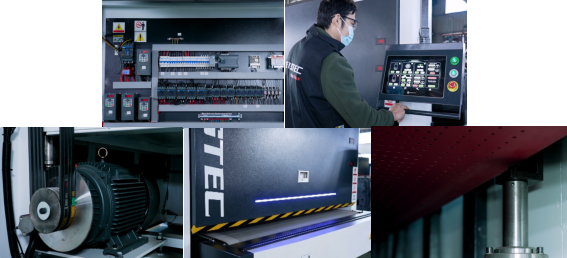
3. Electrical System - Clean the control cabinet monthly to prevent dust from causing short circuits; - Calibrate sensors regularly to ensure signal stability; - Test the emergency stop button monthly to ensure sensitive response.
V. Troubleshooting Procedure 1. Power Off and Shutdown: Immediately disconnect the power and air supply when a fault occurs, and hang a "Maintenance in Progress" warning sign;
2. Phenomenon Analysis: Record the fault phenomena (such as abnormal noise, vibration, burr residue);
3. Cause Investigation: - Burr residue: Grinding wheel wear → Replace grinding wheel; Excessive feed speed → Adjust parameters; Insufficient pressure → Check air supply/hydraulic system; - Abnormal machine noise: Bearing wear → Replace bearing; Loose fasteners → Tighten; Poor gear meshing → Adjust clearance; - Pneumatic system air leakage: Aging seals → Replace; Loose joints → Reinforce;
4. Repair and Testing: After repair, run the machine under no-load for 5-10 minutes to confirm that the fault has been eliminated before putting it back into production. VI. Safety Operating Procedures - The main power and gas supply must be disconnected before maintenance; live work is strictly prohibited. - Wear personal protective equipment: safety helmet, safety glasses, non-slip gloves, and work clothes. - For work at heights (such as inspecting top components), a stable ladder must be used, and supervision is required. - Use specialized tools; screwdrivers, wrenches, etc., are prohibited as substitutes for pry bars. - Waste tools and oil must be disposed of according to environmental protection requirements and must not be discarded arbitrarily.
Summary Standardized maintenance is the core guarantee for the stable operation of the Deburring Machine. Strict adherence to this standard can extend equipment life by more than 30%, reduce the failure rate by 50%, and ensure consistent product quality. Each user unit should develop a specific maintenance plan based on the equipment model, regularly record maintenance logs, and achieve full life-cycle management of the equipment.