How to Choose the Best Edge Deburring Machine?
Choosing the right Edge Deburring Machine is not simply a matter of comparing prices or motor power. A machine that performs beautifully on mild steel may struggle with aluminum, stainless steel, or coated panels. The decision must begin with real production evidence: material grades, sheet thickness, burr height, edge radius, daily volume, and required surface quality.
Industry data reinforces the need for careful selection. Deloitte and The Manufacturing Institute’s 2021 manufacturing skills study projected that 3.8 million U.S. manufacturing jobs could be created between 2021 and 2030, with about 2.1 million potentially remaining unfilled. This labor pressure makes consistent automated finishing increasingly valuable. Meanwhile, ISO 12100 emphasizes risk assessment and inherently safer machinery design. Safety, therefore, belongs beside productivity, not after it.
A practical evaluation should include sample testing with your own parts. Watch the edge after three passes. Check whether abrasive wear changes the finish. Measure cycle time, dust control, noise, maintenance access, and operator training needs. Reports from MarketsandMarkets and Grand View Research also identify automation and process efficiency as continuing manufacturing priorities, although market forecasts vary by scope and methodology. That uncertainty matters. There is no universally “best” Edge Deburring Machine.
The best choice fits your process. It should reduce manual rework without creating hidden costs. Ask suppliers for documented test results, service response times, energy data, and references from comparable factories. A polished machine can still be the wrong purchase. Your parts should decide.
Define Edge Deburring Machines and Their Main Applications
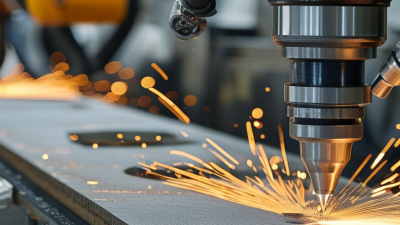
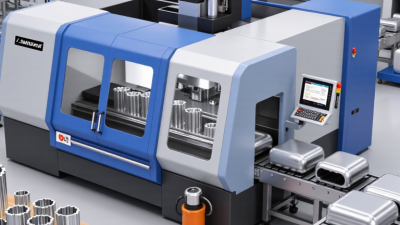
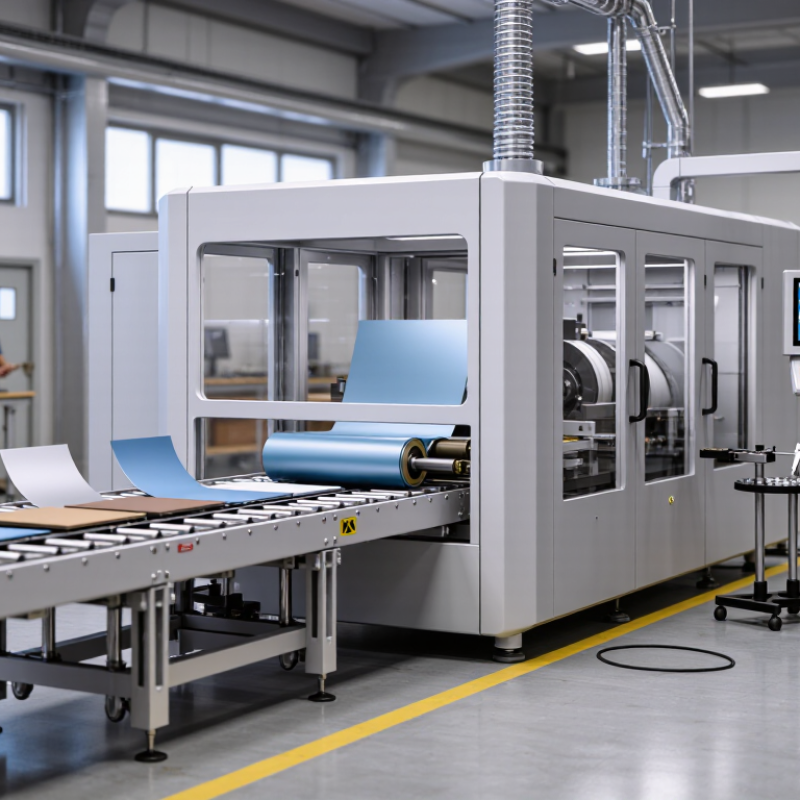
An edge deburring machine removes sharp burrs, raised material, and uneven edges after cutting, milling, stamping, or casting. It may use abrasive belts, brushes, grinding wheels, or controlled robotic tools. The goal is not simply a polished surface. It is a safer, more consistent edge with predictable dimensions.
These machines serve sheet-metal fabrication, automotive components, aerospace parts, electrical enclosures, and precision medical equipment. A laser-cut steel panel may need fast belt deburring, while a cast aluminum housing may require flexible brushing around holes. The International Federation of Robotics recorded 541,302 new industrial robot installations worldwide in 2023, according to World Robotics 2024. This growth supports more automated deburring cells, especially where repetitive hand finishing creates variation. Still, automation does not solve every problem. Poor clamping can damage thin parts, and excessive grinding may change edge geometry.
Tips:
Check the material, burr size, part thickness, and required edge radius before choosing equipment. ISO 13715 can help define edge requirements. Test real parts, not only sample coupons. Measure cycle time and tool wear. A machine that looks efficient may become costly when abrasive replacement is ignored.
Compare Deburring Technologies, Machine Types, and Process Capabilities
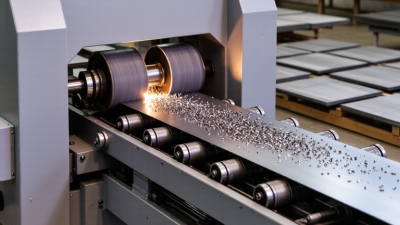
Choosing the best edge deburring machine starts with the part, not the brochure. Brush, abrasive belt, milling, thermal, and electrochemical systems remove burrs differently. Brushing suits exposed edges and mixed geometries. Belt machines provide steady contact on flat sheet parts. CNC milling offers stronger control for complex components. Thermal and electrochemical processes can reach hidden burrs, but they require tighter process control and material checks.
Look at capability before speed. Measure burr height, edge radius, surface roughness, and allowable dimensional change. A machine running at 30 parts per minute is not efficient if it damages a sealing edge. Consider aluminum, stainless steel, hardened steel, or mixed materials. Coolant use, dust extraction, tool wear, noise, and operator access also affect the real cost. The fastest cycle is not always the cheapest one.
Automation deserves careful review. The International Federation of Robotics reported 541,302 industrial robots installed worldwide in 2023, showing stronger demand for repeatable automated production. However, a robot cell may need vision, part fixturing, force control, and programming time. That investment can be excessive for short production runs. Conversely, manual finishing may create inconsistent edge quality. It is a common compromise. MarketsandMarkets has also identified industrial automation as a continuing growth sector, but market growth does not guarantee a suitable deburring process. Test representative parts, inspect results under magnification, and record tool life before selecting the machine. Perfect results on one sample can mislead.
Evaluate Precision, Automation, Safety, Maintenance, and Operating Costs
How to Choose the Best Edge Deburring Machine?
Precision should guide the evaluation. Inspect a real production sample, not only a catalog photograph. Measure burr height, edge radius, and surface finish after processing. A machine that removes metal quickly may still create uneven corners. Ask for repeatability data at your planned feed rate. Keep in mind that test results can change with material hardness, part geometry, and tool wear.
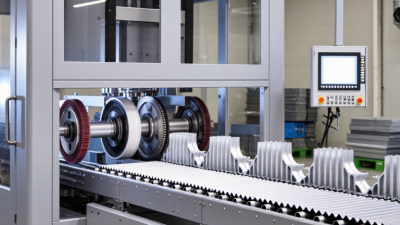
Automation must match your workflow. Automatic loading, programmable paths, and in-process sensing can reduce handling errors. However, complicated controls may increase training time. Choose a system operators can understand and adjust safely. Guarding, emergency stops, stable fixtures, and effective dust extraction deserve careful inspection. Safety is not merely a checklist. Watch the machine during a trial cycle. Listen for vibration, unexpected contact, or poor chip control.
Maintenance access affects daily productivity. Check how quickly technicians can replace brushes, cutters, filters, and worn fixtures. Request a clear service schedule and realistic spare-part lead times. Operating cost includes electricity, consumables, labor, downtime, and rejected parts. A lower purchase price may become expensive after repeated adjustments. I have seen machines perform well initially, then lose consistency when maintenance was delayed. That experience is worth considering. Leave room for uncertainty, because future materials and production volumes may differ from today’s estimates.
How to Choose the Best Edge Deburring Machine?
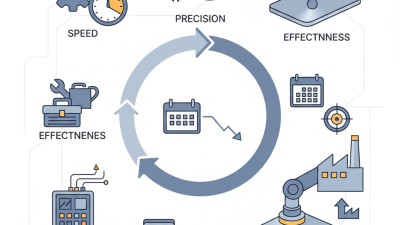
A practical evaluation model for comparing edge deburring machines across precision, automation, safety, maintenance, and operating costs.
Precision and automation receive the highest weights because they directly affect edge consistency, throughput, and labor requirements. Safety, maintenance, and operating costs should also be assessed to ensure reliable long-term production.
Select the Best Machine Through Testing, Supplier Review, and Budget Analysis
Choosing the best edge deburring machine requires more than comparing advertised speed. In production trials, inspect actual parts from your line. Measure burr height, edge radius, cycle time, and surface damage after each run. Use difficult samples, including thin sheets, drilled holes, and uneven weld areas. A clean edge under bright inspection light matters more than a polished sales demonstration.
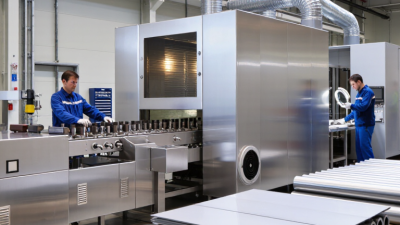
Testing reveals practical limits. Run the machine for several hours, not just ten minutes. Record tool wear, noise, dust control, adjustment time, and operator effort. Ask the supplier for test reports, maintenance schedules, training details, and spare-part availability. Visit a working installation when possible. Talk with the operator, not only the salesperson. Their comments often expose troublesome settings. I once underestimated setup time because the trial used experienced technicians. That mistake changed the real cost calculation.
Build a budget using total ownership costs. Include purchase price, tooling, electricity, extraction equipment, labor, maintenance, and planned downtime. Compare output per hour with your actual order volume. A cheaper machine may need frequent manual finishing. A faster model may create excessive heat or remove too much material. Request a written quotation with warranty terms and service response times. Leave room for unexpected expenses. No spreadsheet replaces measured production data. Recheck the figures after a longer trial.