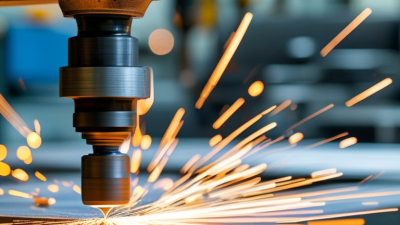
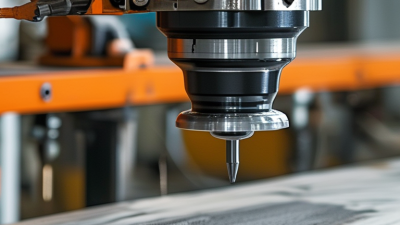
Best Deburring Machine Supplier in China for Global Buyers
Choosing the best Deburring Machine supplier in China requires more than comparing catalog prices. Global buyers need stable performance, clear documentation, and practical support after delivery. A capable supplier should understand aluminum castings, stainless steel parts, laser-cut sheets, and precision-machined components. Each material creates different burrs. Each edge needs a different solution.
Real sourcing experience shows that machine demonstrations can be misleading. A polished sample may not represent daily production. Buyers should send their own parts for testing. Ask for cycle time, surface finish, edge radius, energy use, and consumable life. Small details matter. Very much.
Reliable Chinese manufacturers usually provide equipment drawings, inspection records, operating manuals, and spare-parts lists. More established companies may support factory acceptance testing, remote commissioning, and technician training. Their engineers should explain the difference between abrasive belt, brush, vibratory, and robotic deburring systems. They should also discuss dust collection, noise control, worker safety, and maintenance access. Compliance requirements vary by destination, so buyers must verify applicable standards independently.
However, no supplier is perfect. Communication delays, unclear specifications, and incomplete after-sales promises can still appear. A trustworthy partner admits these risks and records responsibilities in the contract. Check production history, customer references, warranty terms, and response times before payment. A low initial quotation may become expensive when tooling changes or spare parts are unavailable. The best supplier is not simply the cheapest option. It is the manufacturer that delivers repeatable results, honest technical advice, and dependable support throughout the machine’s working life.
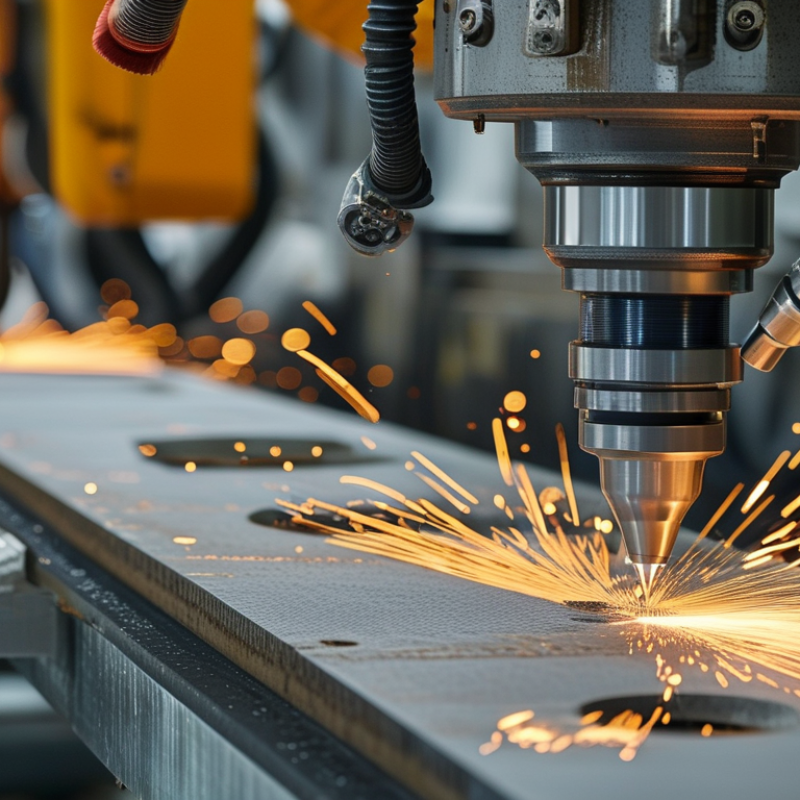
Deburring Machine Types: Brush, Tumbling, Thermal, and Electrochemical Systems
Choosing the best deburring machine supplier in China requires more than comparing prices. Global buyers should match the process with burr size, material, part geometry, and production volume. The International Federation of Robotics recorded 541,302 industrial robot installations worldwide in 2023. This growth increases demand for stable, repeatable finishing equipment.
Brush systems suit sheet metal, machined edges, and continuous lines. They provide visible control, but brush wear can change edge quality. Tumbling machines handle batches of small parts using media, water, or compounds. They reduce labor, although delicate surfaces may suffer contact marks. Thermal deburring removes internal and external burrs through controlled combustion. It works quickly on complex passages, but heat-sensitive alloys need careful testing. Electrochemical systems remove burrs selectively from conductive metals. They offer excellent consistency, yet tooling and chemical management require trained operators.
Reports from MarketsandMarkets place industrial automation among the fastest-growing manufacturing technology segments, driven by labor shortages and quality demands. That trend matters for Chinese suppliers serving overseas factories. Ask for sample trials, cycle-time records, energy data, and inspection evidence. ISO 12100 risk assessment should support the machine design. Documentation must include electrical standards, maintenance intervals, and export-ready manuals.
Small details matter. A clean enclosure matters. I would not trust a perfect brochure alone. Supplier experience with similar alloys, tolerances, and batch sizes is stronger evidence. One practical weakness remains: no deburring method fits every part. A trial run may reveal that the cheapest system creates rework, which is an expensive surprise.
Key Performance Metrics: Burr Height, Edge Radius, Ra, Cycle Time, and Yield
Best Deburring Machine Supplier in China for Global Buyers
Key Performance Metrics: Burr Height, Edge Radius, Ra, Cycle Time, and Yield
Choosing a deburring machine requires more than checking catalog photographs. Global buyers should request measured results from production samples. Burr height shows whether sharp fragments remain after processing. Edge radius confirms the edge is softened without removing excessive material. These values should match the drawing and functional requirements.
Surface roughness, or Ra, reveals the final texture after deburring. A low Ra value is not always better if it changes part geometry. Cycle time must include loading, processing, unloading, and inspection. Yield is equally important. A machine that runs quickly but creates frequent rejects may increase total costs. In practical trials, I compare at least three batches, because one successful sample can be misleading.
Tips: Ask for raw measurement data, not only promises. Confirm the gauge type, sampling method, and inspection location. Check burr height under magnification when necessary. Also test different materials and part shapes. Our early assumption that one setting would suit every component proved incorrect. Small changes in tool pressure affected edge radius and Ra. That experience supports a simple rule: approve the machine only after repeatable tests reflect real production conditions. Keep spare tooling, calibration records, and process limits documented. Supplier communication matters, especially when drawings, tolerances, or inspection language are translated.
Supplier Verification: ISO 9001, CE Marking, ISO 13715, and ISO 21920 Compliance
Best Deburring Machine Supplier in China for Global Buyers
Supplier verification should begin with evidence, not polished promises.
An ISO 9001 certificate shows a controlled quality management system, but it does not guarantee perfect deburring results. Check its scope, issuing body, validity period, and audit status. Ask for inspection records, calibration logs, operator training records, and batch traceability. Look beyond certificates.
CE marking requires careful verification.
The supplier should provide an EU Declaration of Conformity, risk assessment, technical documentation, and applicable safety or EMC test reports. Confirm that the documents match the exact machine model, electrical configuration, and intended use. A copied declaration is a warning sign.
ISO 13715 helps define edges of undefined shape, including acceptable burr or edge conditions on drawings.
ISO 21920 supports consistent surface texture specification and measurement. These standards are useful, but they do not certify a deburring machine. Request sample reports showing edge height, radius, roughness values, measuring equipment, and inspection conditions. Then test your own parts, including narrow slots, drilled holes, and uneven surfaces. Real production can be less cooperative. A supplier may pass a showroom trial yet struggle with mixed materials or changing tolerances. This is where practical engineering experience matters. Record the test parameters, cycle time, media condition, and rework rate before making a purchasing decision.
Compare Chinese Suppliers by Accuracy, Automation, Capacity, and Total Cost
Best Deburring Machine Supplier in China for Global Buyers
Compare Chinese suppliers by accuracy, automation, capacity, and total cost. Accuracy starts with evidence, not brochures. Ask for sample results using your actual aluminum, steel, or cast parts. Review burr height, edge radius, cycle time, and repeatability. A reliable supplier should provide inspection records and process videos. ISO 9283 testing can help verify robot positioning performance. Small details matter.
Automation deserves equal attention. The International Federation of Robotics reported 541,302 industrial robots were installed worldwide in 2023. This demand reflects a clear shift toward repeatable production. Compare manual loading, robotic handling, vision inspection, and recipe storage. However, automation is not always cheaper. A highly automated cell may increase maintenance skill requirements and spare-parts costs. That part is often underestimated.
Tips: Request a capacity test with your real batch size. Check hourly output after tool wear, not only during a demonstration. Compare electricity, abrasives, filters, labor, training, installation, and shipping. Use total cost of ownership over five years. A supplier offering a lower quotation may still deliver higher operating costs. I have found that unclear acceptance criteria create the most expensive delays. Leave room for doubt, and document every assumption.
Best Deburring Machine Supplier in China for Global Buyers
Comparison by accuracy, automation, production capacity, and total cost
The chart uses a 0–100 benchmark index for anonymous Chinese supplier categories. Accuracy reflects edge-radius consistency and repeatability, automation covers loading, process control, and inspection integration, capacity represents relative parts-per-hour output, and total cost efficiency combines machine price, tooling, energy, maintenance, and labor over a five-year period. Higher scores indicate stronger buyer value.