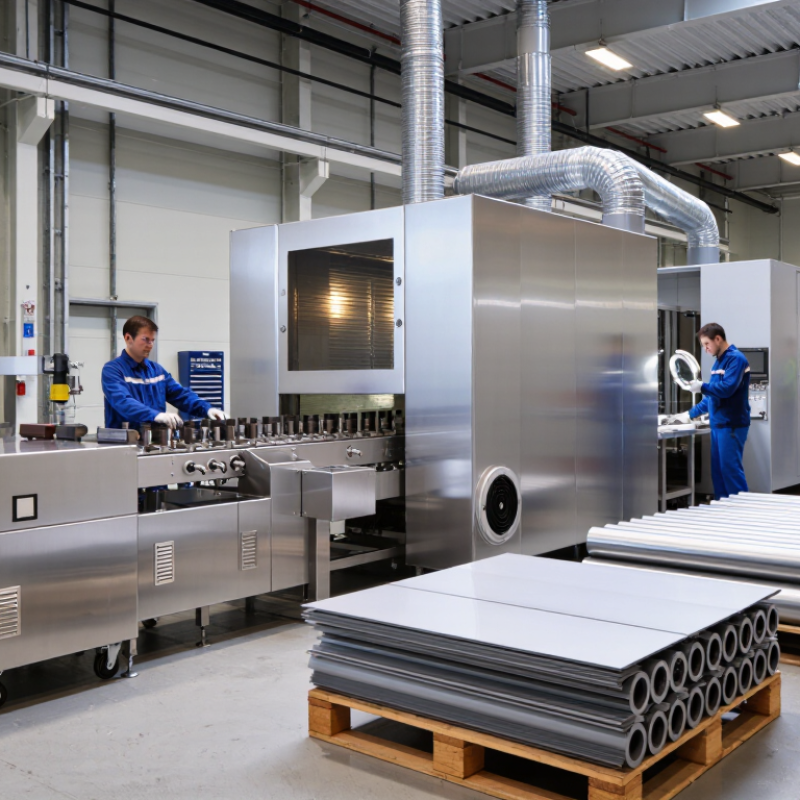
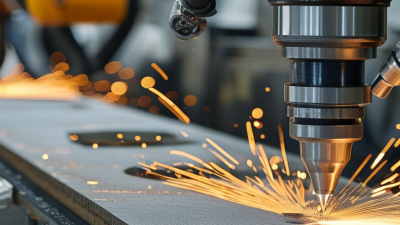
The 2026 Best Stainless Steel Deburring Machines Buying Guide begins with a practical reality: stainless steel production is growing, but clean edges remain difficult to achieve consistently. According to worldstainless, global stainless steel crude production reached approximately 58.4 million tonnes in 2023. Every tonne can create cut edges, sharp burrs, discoloration, and rework pressure. The right Stainless Steel Deburring Machine must remove these defects without damaging surface finish, dimensional accuracy, or operator safety.
Industry reports add useful market context. Grand View Research’s Stainless Steel Market Size, Share and Trends Analysis Report identifies continuing demand from construction, automotive, food equipment, and industrial manufacturing. MarketsandMarkets’ research on metal cutting and machine tools also highlights automation, process consistency, and reduced labor dependence as important purchasing factors. These trends affect more than production speed. They influence abrasive selection, wet or dry processing, dust collection, noise control, and maintenance planning.
Real factory experience often reveals the missing details. A brushed 304 stainless-steel panel may need a uniform satin finish after laser cutting. A thick 316L component may require stronger edge control and slower feed rates. Small burrs can remain hidden near holes and corners. They matter later. This guide compares machine structures, abrasive systems, throughput, energy use, changeover time, and after-sales support. It also considers ISO 9001-based quality practices and measurable inspection methods. Some buying decisions remain uncertain, especially when suppliers provide impressive sample results but limited long-term data. That deserves careful reflection. A fast machine is not always the best machine. The most reliable choice balances finish quality, total cost, repeatability, and the realities of daily production.
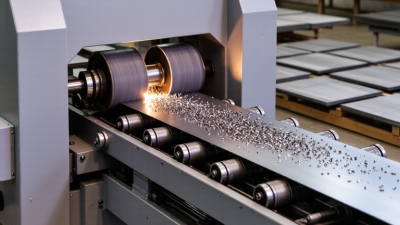
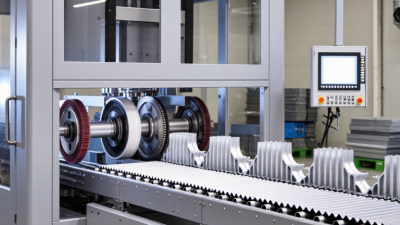
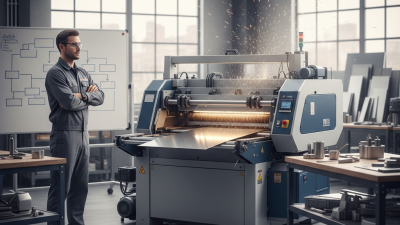
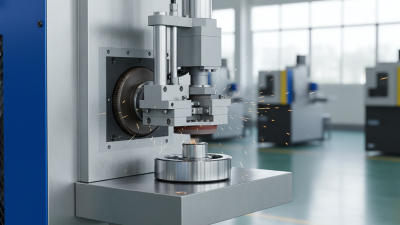
Stainless steel deburring machines remove sharp edges, burrs, and oxide residue from cut metal parts. They commonly process sheets made by laser cutting, punching, sawing, or plasma cutting. A conveyor moves each workpiece through abrasive belts, rotating brushes, or both. These tools contact the edges with controlled pressure. They smooth the surface without significantly changing the part’s dimensions.
A typical machine uses adjustable feed speed, belt pressure, brush height, and abrasive grade. Wet systems add coolant to reduce heat and limit discoloration. Dry systems collect dust through filtration equipment. In practical shop testing, operators inspect edge sharpness, corner consistency, and visible scratches after each pass. No setting is perfect on the first attempt. Excessive pressure may round the edge, while insufficient contact can leave burrs behind. Stainless steel also needs clean tooling, because iron contamination can create rust marks later.
Tips:
Test a small batch before full production. Match the abrasive to the stainless grade and thickness. Check both sides under strong lighting. Measure edge quality, not only appearance. Keep a record of feed speed, pressure, and abrasive life. A slightly slower setting often produces a more even finish, although it may reduce daily output. Safety guards, dust extraction, and routine inspections should remain part of normal operation.
Stainless steel deburring machines should be selected by edge condition, part geometry, and production volume. Abrasive belt machines suit flat sheets, laser-cut panels, and cabinet components. They remove sharp burrs while creating a consistent directional finish. Wide-belt systems work well for repeated sheet production. However, excessive pressure can round thin edges or expose heat tint. Operators should inspect both sides under bright, angled light.
Vibratory finishing machines fit batches of small fittings, rings, brackets, and turned parts. Ceramic or plastic media reaches edges that are difficult to access manually. They work well after punching, sawing, or machining stainless steel. Media choice controls cutting speed, surface brightness, and trapped-particle risk. Separators and thorough rinsing matter for food, medical, and cleanroom components. A few parts may still need hand inspection.
Rotary brush machines handle tubes, profiles, and localized weld or cut edges. Stainless wire or abrasive nylon brushes can remove burrs without excessive material loss. For welded frames, choose adjustable contact pressure and effective dust extraction. Thermal deburring can treat complex internal passages, but validation remains essential. It may alter sensitive finishes or leave oxidation when poorly controlled. In my experience, the best choice often comes from a sample run, not a brochure. Measure burr height, edge radius, cycle time, and corrosion appearance. No machine wins every case. A modest setup may outperform an advanced one when operators control it consistently.
| Machine Type | Primary Deburring Method | Best Stainless Steel Applications | Typical Material Thickness | Typical Edge or Burr Capability | Common Surface Result | Indicative Throughput | Suitable Abrasives or Media | Main Advantages | Key Limitations | Suitability |
|---|---|---|---|---|---|---|---|---|---|---|
| Dry Abrasive Belt Machine | Rotating abrasive belts remove sharp edges, laser dross, plasma slag and light burrs from one or both sides. | Laser-cut sheets Flat blanks Cabinet panels Food-equipment parts | Approximately 0.5–6 mm, depending on machine configuration and part geometry. | Light to medium burrs; edge rounding commonly about 0.05–0.30 mm per edge pass. | Uniform brushed or satin finish when a finishing belt is used; the appearance may differ from the original mill finish. | Approximately 2–15 m/min for flat sheet, depending on burr size, abrasive grit and required finish. | Aluminum-oxide, zirconia or ceramic belts; silicon-carbide belts for finishing and grain-sensitive work. | Fast, versatile and effective on parts with burrs on both sides; suitable for continuous sheet processing. | May alter the grain direction or create visible contact marks; not ideal for deep 3D features or fragile protrusions. | ★★★★★ |
| Wide-Belt Grinding and Finishing Machine | Wide abrasive belts grind, deburr and finish large sheet surfaces in a controlled pass. | Large stainless sheets Architectural panels Kitchen equipment Industrial enclosures | Approximately 0.6–10 mm, subject to worktable design and stock-removal requirements. | Medium burrs and surface imperfections; can provide controlled edge breaking with suitable contact rollers or brushes. | Consistent directional satin, brushed or pre-polished finish over broad surfaces. | Approximately 3–20 m/min for finishing; lower speeds are used for heavier stock removal. | Wide zirconia, ceramic or silicon-carbide belts; nonwoven abrasive belts for blending. | High productivity, repeatable finish and good control of surface uniformity across large parts. | Requires careful setup to avoid over-grinding thin sheet; generally less suitable for small parts and complex contours. | ★★★★★ |
| Rotary Brush Deburring Machine | Rotating abrasive brushes contact edges and surfaces from multiple directions to remove burrs and soften edges. | Laser-cut components Perforated sheets Parts with holes Mixed geometries | Approximately 0.5–8 mm for flat parts, with actual limits determined by part rigidity and brush access. | Light to medium burrs; typical edge rounding is approximately 0.10–0.40 mm with appropriate brush selection. | Softened, low-sharpness edges with a blended or matte appearance; preserves more of the original sheet profile than aggressive grinding. | Approximately 3–12 m/min for flat components, depending on brush pressure and part complexity. | Abrasive nylon, ceramic-grit nylon, silicon-carbide filament or steel-free brush systems. | Excellent access around holes and contours; reduced risk of directional grinding lines; suitable for mixed part sizes. | Heavy slag or large burrs may require pre-grinding; brush wear can gradually change the deburring result. | ★★★★★ |
| Disc Brush Deburring Machine | One or more rotating disc brushes remove burrs from top and bottom surfaces while following part contours. | Precision sheet-metal parts Small brackets Parts with internal cutouts Thin stainless sheet | Approximately 0.5–4 mm, particularly effective on thin and medium-gauge sheet. | Light to medium burrs on external edges and internal profiles; edge rounding is generally mild and controllable. | Uniform matte or satin blend with relatively low risk of removing excessive material. | Approximately 2–10 m/min, depending on the number of brush heads and required edge quality. | Nonwoven abrasive discs, abrasive nylon discs and ceramic-grit brush elements. | Good all-around edge finishing, low heat generation and effective processing of parts with holes and slots. | Less effective against thick plasma dross or deeply tenacious burrs; brush pressure must be balanced for thin parts. | ★★★★☆ |
| Vibratory Finishing Machine | Parts and abrasive media move together in a vibrating tub or bowl, producing repeated contact on edges and surfaces. | Small batch parts Fittings Brackets Parts with many exposed edges | Small to medium parts; component thickness is usually less restrictive than component size and shape. | Light burrs and edge sharpness; not normally selected for heavy laser dross or large primary burrs. | Rounded or softened edges with a matte, satin or burnished appearance depending on media and compound. | Approximately 30–180 minutes per batch, depending on burr severity, part loading and required finish. | Ceramic, plastic or stainless-steel media; alkaline or neutral compounds compatible with stainless steel. | Processes many small parts simultaneously and can reach multiple edges without complex fixturing. | Parts can contact one another; flat thin parts may nest or deform; dimensional control and grain preservation are limited. | ★★★☆☆ |
| Drag Finishing Machine | Parts are held on spindles and dragged through abrasive media, providing controlled finishing with limited part-to-part contact. | High-value components Machined fittings Complex 3D parts Components requiring protection | Suitable for small and medium 3D components; size is limited by spindle capacity and machine working envelope. | Light to medium burrs on complex edges, pockets and contours when media access is adequate. | Uniform matte, satin or polished finish with better protection against part-to-part impact. | Approximately 10–60 minutes per batch, commonly with several parts mounted at once. | Ceramic or plastic media selected according to material removal and finish requirements. | Excellent control of delicate parts, repeatable processing and reduced collision damage. | Higher tooling and loading effort; unsuitable for very large flat sheets or very deep, inaccessible features. | ★★★★☆ |
| Thermal Energy Method | A controlled gas-air reaction rapidly oxidizes and removes burrs from accessible edges of enclosed or complex components. | Internal passages Cross-drilled parts Complex machined components Parts with hidden burrs | Generally used for small to medium machined components rather than large sheet parts. | Effective on small, combustible burrs in difficult-to-reach internal passages and intersecting holes. | Usually leaves the base surface largely unchanged, although oxide removal or cleaning may be required afterward. | Typically batch-based; cycle times may range from several seconds to several minutes, excluding loading and cleaning. | No abrasive media; the process depends on controlled thermal energy and a suitable process gas mixture. | Can reach internal burrs that mechanical tools cannot access; minimal mechanical force on the part. | Requires specialized safety controls; unsuitable for every stainless grade, wall thickness, coating or geometry; post-cleaning may be needed. | ★★★☆☆ |
| Electrochemical Deburring Machine | Localized anodic metal removal dissolves burrs near an electrically conductive tool and electrolyte system. | Precision machined parts Intersecting holes Hydraulic components Critical internal edges | Small to medium components with electrically conductive stainless steel surfaces. | Very small burrs on defined edges, including locations that are difficult to reach mechanically. | Localized edge removal with little mechanical distortion; the treated area may require rinsing and passivation control. | Typically seconds to several minutes per part or batch, depending on electrode design and burr size. | Process-specific electrolytes; tooling and electrolyte selection must be matched to the stainless steel grade. | High precision, low cutting force and excellent access to selected internal or intersecting edges. | Higher tooling complexity, electrolyte handling and wastewater requirements; not economical for broad sheet surfaces. | ★★★☆☆ |
| Manual or Robotic Grinding Cell | Grinding wheels, flap discs, abrasive tools or robotic end effectors remove localized burrs and weld spatter. | Welded frames Large fabrications Repair work Irregular assemblies | Thin sheet through heavy stainless fabrications, depending on tool power and access. | Light to heavy burrs, weld spatter and localized high spots; edge radius depends strongly on operator or robot programming. | Localized ground, blended or brushed areas; matching an existing stainless finish requires process control. | Highly variable; usually measured by part or operation time rather than line speed. | Flap discs, fiber discs, nonwoven wheels and stainless-steel-compatible abrasive wheels. | Flexible for oversized, welded or irregular parts and capable of removing substantial localized material. | More variable finish, higher labor or programming cost and greater risk of heat tint or over-grinding. | ★★★★☆ |

Note: The thickness, edge-radius and throughput figures are typical planning ranges rather than guaranteed machine specifications. Actual results depend on stainless steel grade, hardness, sheet flatness, burr height, cutting method, abrasive selection, part geometry, feed speed and required surface finish.
Choosing a stainless steel deburring machine starts with the burr, not the catalog.
Examine the part after cutting, punching, laser processing, or machining. A thin thermal burr needs different action from a folded mechanical burr. Measure its height and location. Then define the required edge condition. Is a slight edge break acceptable, or must the edge feel smooth under a glove? This decision controls abrasive type, contact pressure, and machine movement.
Small parts may need a wide belt and magnetic support. Large panels may require rollers and adjustable working height. Keep it practical.
Match machine features with daily production, not occasional peak output. A variable-speed belt helps when stainless grades react differently to heat. Wet processing can reduce discoloration and airborne dust, but it adds filtration and fluid maintenance. Dry systems simplify cleanup, yet heat marks may appear around sharp corners.
For parts with several faces, choose controlled rotation or multiple passes. Check the minimum and maximum part thickness carefully. A machine that handles one sample well may struggle with a mixed batch. That happens often.
In shop trials, I inspect edges under angled light and run a cotton swab along the perimeter. Visual inspection alone can miss a raised burr.
Reliability also depends on access. Look for quick belt changes, clear guarding, simple adjustment scales, and reachable filters. Record cycle time, noise, consumable wear, and rejected parts during a real trial.
Ask whether operators can repeat settings without guesswork. Automation is useful when dimensions stay stable. It may add needless complexity for low-volume work.
I would not choose the fastest machine automatically.
A slower, stable process can protect surface finish and reduce rework. Leave room for learning; the first setup is rarely perfect.
A reliable comparison starts with the workpiece, not the machine price. Record stainless steel grades, thicknesses, burr size, edge radius, and daily production volume. A machine that handles thin sheet may struggle with welded frames. Request a sample test using your actual parts. Inspect edges under strong light and measure consistency across several pieces. One perfect sample proves little.
Compare throughput with realistic loading and unloading times. Ask about abrasive life, dust control, noise, power use, and operator training. Check whether settings can be repeated easily between shifts. A simple control panel often reduces mistakes. However, “automatic” does not always mean better. Complex systems may require costly maintenance skills.
Calculate total cost over three to five years. Include tooling, filters, electricity, labor, repairs, downtime, and floor-space changes. Ask for service response times and spare-part availability in writing. Review test data, warranty terms, safety documentation, and references from similar workshops. The first estimate is often wrong. I would leave room for unexpected abrasive wear and slower output during busy periods. A short production trial can reveal more than a polished sales specification.
Maintenance begins with the machine’s working environment. Stainless steel dust can settle inside guards, electrical cabinets, and extraction ducts. Inspect these areas weekly, not only when performance drops. Check abrasive belts, brushes, bearings, fasteners, and emergency stops. Record replacement dates and vibration changes. Small deviations often become expensive failures.
Safety must guide the purchase decision. The U.S. Bureau of Labor Statistics recorded 5,283 fatal workplace injuries in 2023, with a rate of 3.5 deaths per 100,000 full-time workers. This figure covers all industries, but it reinforces one point: guarding and isolation procedures deserve serious attention.
Select equipment with accessible emergency controls, clear guarding, and documented lockout procedures. The Liberty Mutual 2024 Workplace Safety Index estimated that serious workplace injuries cost U.S. employers about $58.5 billion annually. Downtime is only part of that burden. Training, extraction capacity, noise exposure, and service access also affect long-term value.
A machine that is difficult to clean may quietly increase risk. I have seen buyers focus too heavily on hourly throughput. That can be a mistake. Compare total ownership costs, including consumables, planned maintenance, spare parts, energy use, and technician access.
Ask for maintenance intervals and safety documentation before purchase. ISO 12100-based risk assessment is useful, but paperwork alone cannot replace practical operator feedback.
Test sample parts after extended running. Watch heat, dust, edge consistency, and adjustment effort. The first trial may look perfect. Real production can disagree.