Why Choose a Steel Polishing Machine?
Steel remains essential across construction, transport, energy, food processing, and medical equipment. The World Steel Association reported approximately 1.88 billion tonnes of crude steel production in 2024. That scale creates intense pressure for consistent surface quality. A Steel Polishing Machine can provide repeatable finishing, controlled abrasion, and cleaner edges than irregular manual work.
The difference appears under inspection. A uniform satin surface reflects light evenly. Rounded edges reduce sharp contact points. Stable polishing also helps manufacturers limit rework, abrasive waste, and operator fatigue. The global metal finishing market continues to expand, according to MarketsandMarkets’ Metal Finishing Market report, which identifies automation and quality consistency as important growth drivers. These reports describe market direction, not guaranteed savings. Real results depend on steel grade, compound selection, machine settings, and maintenance.
Quality begins earlier.
W. Edwards Deming, a leading manufacturing quality expert, said, “Quality comes not from inspection, but from the improvement of the production process.” His principle fits polishing equipment closely. A machine cannot repair poor process planning. It can, however, make a controlled process easier to repeat and measure. Operators should test belt speed, pressure, coolant use, and final roughness before full production. Sometimes, the expensive machine is not the best machine. A smaller system may suit variable batches better. Buyers should also examine dust extraction, tooling access, safety guarding, service support, and energy consumption. Choosing a Steel Polishing Machine is therefore not merely an equipment purchase. It is a decision about surface reliability, workforce experience, and long-term production discipline.
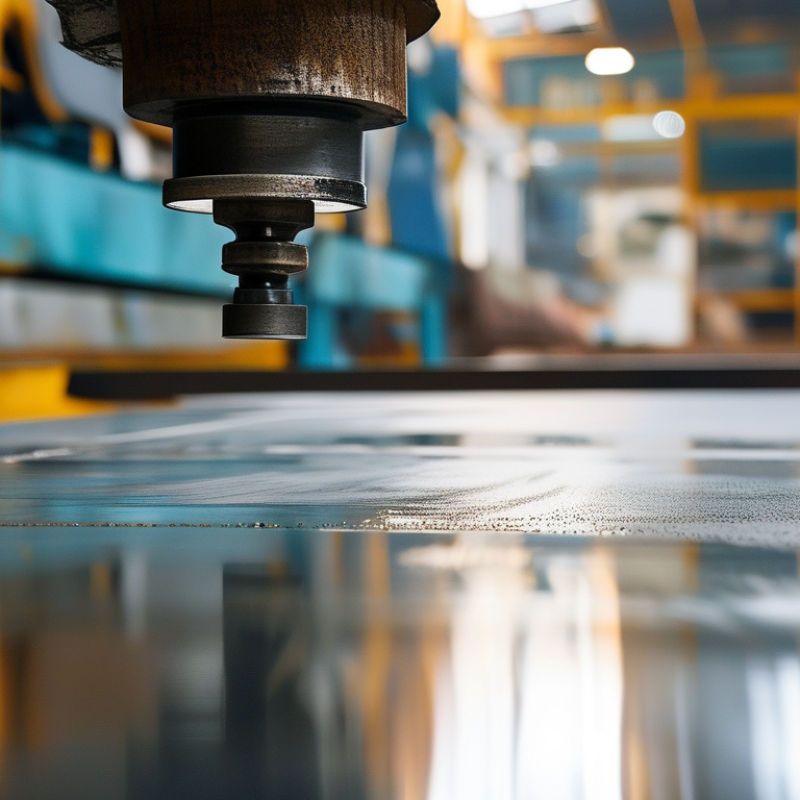
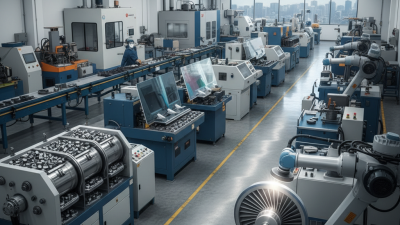
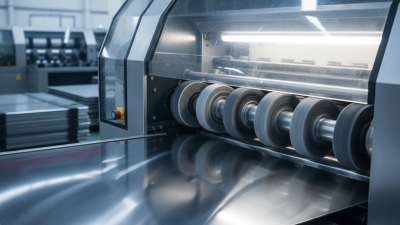
A steel polishing machine is powered equipment that smooths and brightens metal surfaces. It uses abrasive belts, wheels, or pads to remove scratches, weld marks, and rough edges. Depending on the setup, it can create a satin, brushed, or mirror-like finish. The machine usually includes a motor, worktable, protective guards, and adjustable speed controls. Some systems also connect to dust collection equipment. This helps reduce airborne particles in busy workshops.
From practical experience, machine polishing offers better consistency than hand polishing. It also reduces physical strain during repeated work. However, results depend on abrasive selection, pressure, speed, and operator skill. The process is not always perfectly uniform. Corners can remain dull, especially when the workpiece is uneven. A careful operator checks the surface under strong light before changing to a finer abrasive. Safety remains essential because rotating parts can catch loose clothing or gloves.
Why Choose a Steel Polishing Machine?
How Does a Steel Polishing Machine Work?
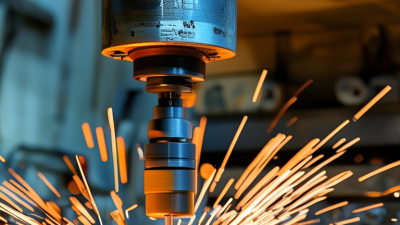
A steel polishing machine does not simply make metal shiny. It removes microscopic peaks, scratches, oxide marks, and uneven edges from the surface. An abrasive belt, wheel, or brush rotates at controlled speed. The workpiece moves beneath it, while pressure creates gradual material removal. Some systems use several stages, from coarse grinding to fine polishing.
World Steel Association’s World Steel in Figures 2024 reports approximately 1.89 billion tonnes of crude steel production in 2023. At this scale, consistent finishing can reduce rework and improve production control. The machine’s feed rate, abrasive grade, contact pressure, and cooling method directly affect the final result. Excessive pressure may create heat discoloration or deeper lines. That assumption can fail.
Modern equipment may use sensors to monitor load, vibration, and surface contact. Operators can then adjust the process before defects spread across a batch. ASME B46.1 provides terminology for surface texture measurement, helping teams define roughness requirements more clearly. The IEA’s Iron and Steel Technology Roadmap also identifies steelmaking as responsible for roughly 7% of global energy-related emissions, making efficient passes increasingly important.
Tips: Clean the steel before polishing. Match abrasive grit to the defect depth. Check surface roughness after each stage. Do not trust appearance alone. A bright surface can still hide directional marks or overheating.
| Data Dimension | Manual or Conventional Polishing | Steel Polishing Machine: Operating Principle and Typical Data | Practical Value |
|---|---|---|---|
| Primary Objective | Removes scratches, oxide discoloration, burrs, and minor surface irregularities through hand-applied abrasive action. | Uses controlled contact between an abrasive tool and the steel surface to remove a small, uniform layer of material. | Produces a more repeatable finish across batches and reduces dependence on operator technique. |
| Basic Working Motion | The operator controls movement, pressure, angle, and polishing speed by hand. | A motor drives a polishing wheel, belt, brush, or abrasive head while the workpiece or tool follows a controlled path. | Stable motion helps limit uneven polishing, over-polishing, and visible directional marks. |
| Abrasive Sequence | Coarse-to-fine abrasives are selected manually; consistency depends on correct grit changes and cleaning between stages. | A typical sequence is coarse grinding, intermediate smoothing, fine polishing, and optional buffing or cleaning. | A planned sequence removes deeper defects before the final finishing stage. |
| Common Abrasive Forms | Abrasive sheets, discs, compounds, hand pads, and small rotary tools. | Abrasive belts, flap wheels, bonded wheels, non-woven wheels, wire brushes, or polishing mops with compound. | The abrasive can be matched to the steel grade, defect depth, geometry, and required appearance. |
| Surface Roughness | The resulting roughness can vary considerably from one operator or workpiece to another. | A polished stainless-steel surface may reach approximately Ra 0.2–0.8 µm in many finishing applications, depending on the process, abrasive, material, and inspection method. | A defined roughness target makes quality inspection and process control more measurable. |
| Material Removal Control | Pressure and dwell time are difficult to keep constant, especially on large or complex parts. | Feed rate, contact pressure, tool speed, polishing path, and dwell time can be adjusted or programmed on suitable equipment. | Controlled removal helps preserve dimensions, edges, and part geometry. |
| Typical Spindle or Tool Speed | Varies with the hand tool and operator handling. | Many rotary polishing tools operate within a broad range of roughly 1,000–3,500 revolutions per minute; the correct speed depends on wheel diameter, abrasive, and steel grade. | Adjustable speed reduces the risk of overheating, smearing, or excessive abrasive wear. |
| Heat Management | Heat buildup is monitored mainly by touch, appearance, or operator experience. | Intermittent contact, controlled pressure, suitable speed, cooling air, or liquid coolant may be used where required. | Lower heat accumulation helps reduce discoloration and heat-related distortion. |
| Process Repeatability | Results may change with operator skill, fatigue, pressure, and polishing time. | Fixtures, guides, programmable settings, and repeatable tool paths can standardize the process. | Higher consistency is useful for production parts with the same finish specification. |
| Suitable Part Geometry | Flexible for prototypes, repairs, one-off parts, and areas that are difficult to fixture. | Especially effective for flat sheets, tubes, plates, weld seams, fabricated components, and repeatable production geometries. | The equipment can improve access and productivity when many similar parts require the same treatment. |
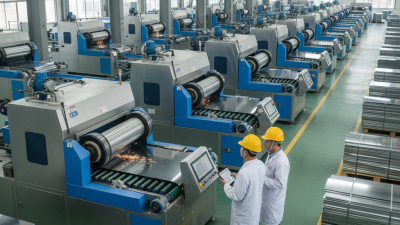
| Production Efficiency | Usually slower for large surfaces or repeated parts because each area requires direct manual attention. | Continuous or semi-automatic operation can process repeated surfaces with less manual handling. | Useful when labor time, cycle stability, and output volume are important considerations. |
| Dust and Debris Control | Dust and abrasive particles may disperse unless local extraction is provided. | Many installations can be connected to local exhaust ventilation, spark control, guards, and collection systems. | A properly guarded and ventilated setup supports a cleaner and safer work area. |
| Quality Inspection | Visual inspection is common, but appearance alone may not reveal roughness or dimensional changes. | Inspection may include visual checks, surface-roughness measurement, dimensional checks, and verification against the required finish grade. | Documented inspection connects machine settings with measurable surface quality. |
| Main Limitations | Higher variation, greater operator fatigue, and limited throughput on repetitive work. | Requires correct tooling, fixturing, maintenance, guarding, dust extraction, and process setup. | The machine provides the greatest value when its settings and safety systems are properly matched to the application. |
| Recommended Use Case | Small quantities, repair work, prototypes, intricate areas, or tasks requiring frequent hand adjustment. | Repeated production, long surfaces, consistent cosmetic finishes, weld blending, and applications with defined roughness targets. | Selection should be based on steel grade, part shape, defect type, required finish, batch size, and safety requirements. |
Why Choose a Steel Polishing Machine?
What Benefits Does Steel Polishing Provide?
Steel polishing improves more than appearance. It can create a smoother, cleaner, and more consistent surface. The World Steel Association reported global crude steel production of about 1.89 billion tonnes in 2023. Even small finishing errors can affect large production volumes. A polishing machine helps control pressure, speed, and abrasive contact. This consistency is difficult to maintain by hand.
A smoother surface holds fewer particles, moisture pockets, and processing residues. In hygienic applications, many engineering guidelines reference a surface roughness near Ra 0.8 micrometres, although the correct value depends on the process. The EHEDG highlights surface design as an important factor in cleanability. Polishing also supports later cleaning and passivation. It does not replace them. That distinction matters.
The finish can reduce visible scratches and improve inspection results. It may also limit corrosion risks when contaminants and embedded particles are removed correctly. The International Stainless Steel Forum reports that stainless steel remains widely used because of its durability and recyclability. Still, polishing cannot repair poor steel selection or bad welding. I have seen bright surfaces hide uneven heat marks. The machine is not magic. Operators must measure roughness, clean the workpiece, and adjust the process for edges, corners, and weld zones. A glossy finish can look excellent while failing practical requirements.
Representative stainless-steel surface roughness values by finishing level
Steel polishing reduces surface roughness, improving visual consistency and making the surface easier to clean. Lower roughness can also reduce locations where dirt and contaminants accumulate, which is important for hygienic and corrosion-resistant applications. The values shown are representative Ra levels in micrometres; actual results depend on the steel grade, abrasive sequence, machine settings, and workpiece condition.
A steel polishing machine should produce consistent surfaces, not merely bright ones. Operators usually notice uneven gloss first. The critical feature is stable abrasive pressure across welds, edges, and curved sections. Variable-speed control helps match the tool to stainless steel, carbon steel, and different finishing media. A rigid frame also reduces vibration, especially on long tubes or wide sheets. According to the World Steel Association, global crude steel production reached about 1.89 billion tonnes in 2023. That scale makes repeatable finishing increasingly important.
Automation features deserve careful attention. The International Federation of Robotics reported 541,302 industrial robot installations worldwide in 2023. This growth shows why programmable movement, part detection, and automatic compensation matter. However, automation should not replace inspection. A machine needs clear access for measuring roughness, checking heat marks, and changing abrasives. Compatibility with ISO 21920 surface-texture measurement practices can improve documentation. Dust extraction, coolant control, guarding, and emergency stops are equally practical features. They protect workers and reduce contamination around the polishing zone.
Energy use and maintenance are easy to underestimate. A smaller motor is not always more efficient under heavy load. Ask for measured power data, service intervals, and spare-part availability. In real workshops, a perfect finish can still fail when setup takes too long. That part is often overlooked. Select the machine that matches product geometry, target roughness, production volume, and operator skill, rather than choosing the most powerful model.
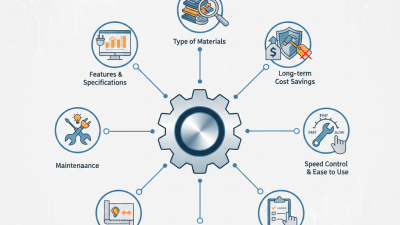
Choosing the right steel polishing machine starts with the material, not the machine’s appearance. Different steel grades react differently to heat, pressure, and abrasive belts. Stainless steel may require controlled speed to prevent discoloration. A flat sheet needs different support from a narrow tube. Measure twice.
Define the finish you need before comparing equipment. A brushed surface, mirror finish, and edge refinement require different abrasive sequences. Check the machine’s speed range, motor capacity, working width, and adjustment accuracy. Variable speed is useful when polishing thin panels or heat-sensitive parts. Noise matters. Dust extraction and coolant control also affect the working environment and final surface quality.
In practical workshop evaluations, a test piece reveals more than a catalogue description. Ask the supplier to polish your actual steel sample, then inspect the surface under bright side lighting. Look for swirl marks, uneven gloss, overheated edges, and difficult belt changes. Confirm maintenance access, operator training, spare-part availability, and safety guarding. A lower purchase price can become expensive when setup takes too long. I have seen impressive machines perform poorly because the abrasive choice was overlooked. That detail is easy to miss. Leave room for correction, because the first polishing test may not produce the expected finish.