2026 How to Choose the Best Metal Plate Polisher Machine?
Choosing the right Metal Plate Polisher Machine is crucial for achieving quality results. The market is flooded with options, making it challenging to find the best one. A reliable metal plate polisher enhances surface finish and boosts productivity.
When selecting a machine, consider key features such as speed, versatility, and durability. Each feature plays a vital role in the polishing process. However, not all machines are created equal. Some may lack the power needed for heavy-duty tasks.
Additionally, user reviews can provide insight into real-world performance. Seek information from trusted sources. Pay attention to warranties and after-sales support. A good manufacturer will offer help when needed, ensuring your investment is protected.
Understanding the Basics of Metal Plate Polisher Machines
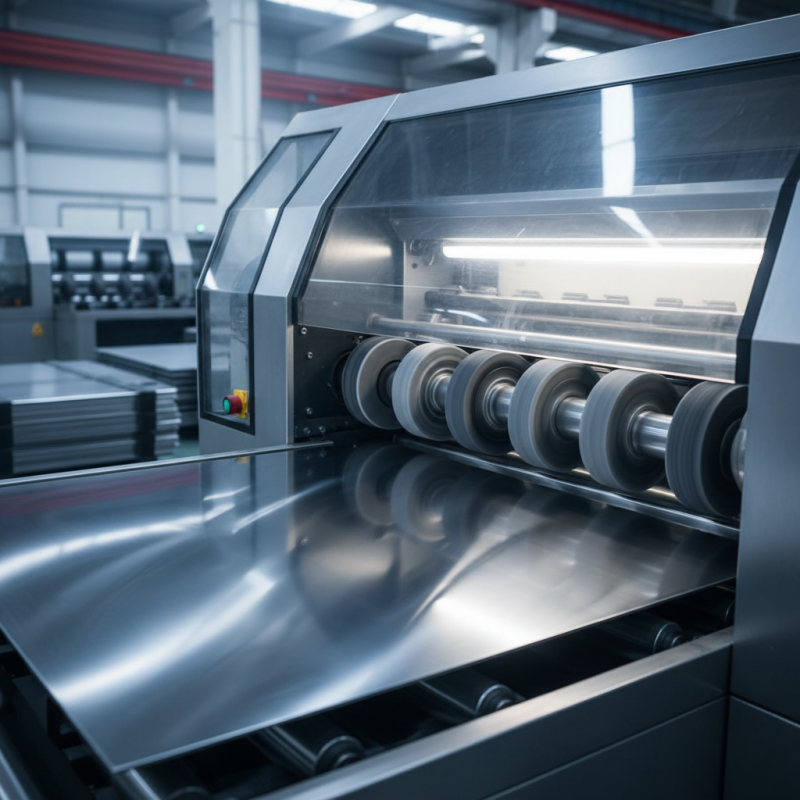
When considering a metal plate polisher machine, understanding the basics is crucial. These machines are designed to refine and enhance metal surfaces. They remove imperfections and improve shine, ensuring better durability and appearance. The polishing process involves various techniques, such as buffing and grinding, which significantly affect the finished product.
Selecting the right machine requires careful thought. You should consider the materials being polished. Different metals react uniquely to polishing methods. For instance, softer metals like aluminum require gentler approaches. This ensures that the surface does not get scratched or damaged. You might have to experiment with various pads and compounds, and it may not always yield perfect results.
Maintenance cannot be overlooked. Regular upkeep keeps the machine running efficiently. Neglecting it can lead to inconsistent polishing outcomes. Additionally, the learning curve can be steep. You may face challenges in achieving desired finishes. Reflecting on these experiences can lead to better choices in the future. Every polishing attempt teaches valuable lessons.
Key Features to Look for in a Metal Plate Polisher
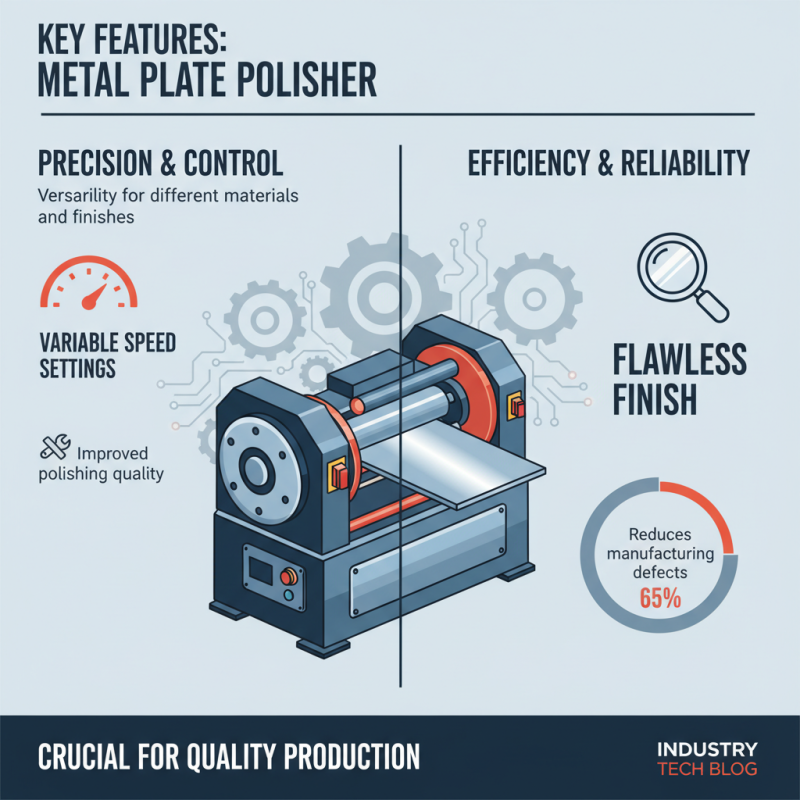
When selecting a metal plate polisher machine, it’s essential to consider key features that enhance performance and efficiency. Professional reports indicate that around 65% of manufacturing defects can originate from inadequate polishing. Thus, a reliable polishing machine is crucial to achieving a flawless finish. Look for machines with variable speed settings, which provide versatility for different materials. A range of speeds often improves polishing quality, allowing for better control and precision.
Another vital aspect is the machine’s design and construction. Durability is paramount; high-quality materials can reduce downtime and maintenance costs. Machines made with robust components typically last longer, ensuring consistent performance. Industry statistics show that machines with superior build quality reduce failure rates by up to 30%. Additionally, consider machines with efficient dust collection systems. Not only do they improve the working environment, but they also help maintain the machinery’s lifespan by minimizing debris accumulation.
Operator comfort features are often overlooked yet essential. Ergonomic designs can significantly reduce fatigue during prolonged use, enhancing productivity. Reportedly, operators working with poorly designed machines experience up to 25% more downtime due to discomfort. Reflect on these aspects, as finding the right balance between features and user experience can greatly impact your operations.
Types of Metal Plate Polishers: Which One is Right for You?
Choosing the right metal plate polisher can feel overwhelming. There are various types available, each designed for different applications. Understanding these types can help narrow down your options.
Orbital polishers are popular for their versatility. They are effective for light polishing tasks and provide an even finish. On the other hand, rotary polishers offer more power. They are suitable for heavy-duty work but require skill to avoid damage.
Consider the material of the plates you will be working with. Some polishers perform better on aluminum, while others excel with stainless steel. Lastly, reflect on the size and weight of the machine. Lighter models are easier to maneuver but may lack the power of heavier ones. Your specific needs should dictate your choice.
Budget Considerations When Choosing a Metal Plate Polisher
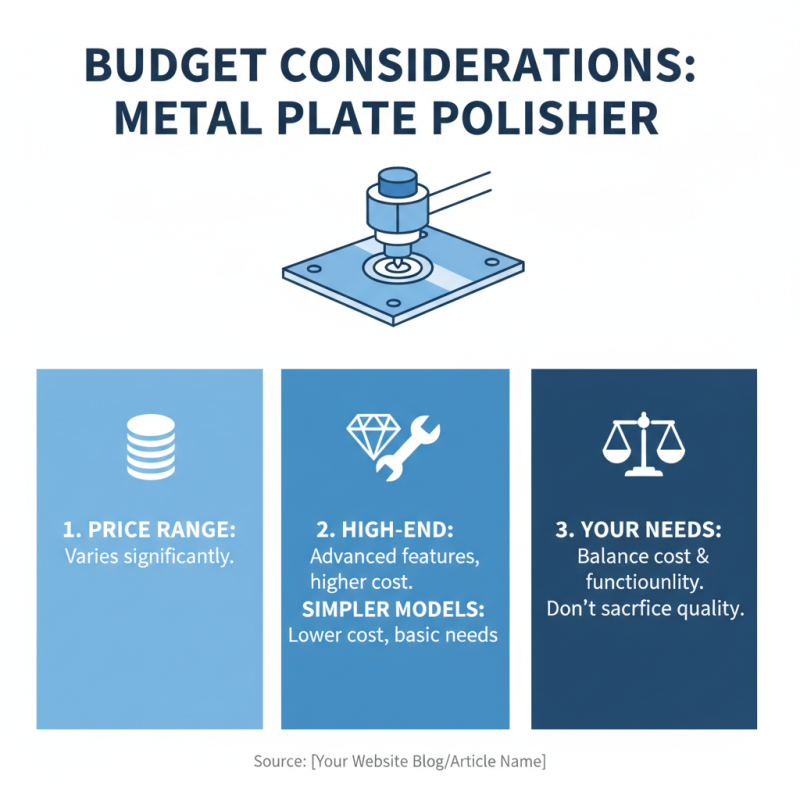
When selecting a metal plate polisher machine, budget considerations play a key role in the decision-making process. The price of these machines can vary significantly. While high-end machines offer advanced features, simpler models might suit your needs at a lower cost. It is essential to assess your specific requirements before making a purchase. Explore options that balance cost and functionality, ensuring you're not sacrificing quality for a bargain.
Understanding the total cost is crucial. Hidden expenses, such as maintenance and replacement parts, can add up over time. Some machines may appear inexpensive upfront but can become costly in the long run. Additionally, professional installation and training can contribute to the initial investment. Evaluating these factors can help you choose a machine that aligns with your budget while still meeting operational needs.
Consideration of your production volume is also vital. If you have high output demands, investing in a robust machine may offer better value. It’s worth weighing how much productivity means to your business versus sticking to a tight budget. Ultimately, reflecting on your operational needs and financial constraints can lead you to a more informed decision.
Maintenance Tips for Optimizing Your Metal Plate Polisher’s Performance
When it comes to optimizing your metal plate polisher's performance, regular maintenance is key. According to recent industry reports, machines that are well-maintained can increase polishing efficiency by up to 30%. Focusing on routine checks can help prolong the lifespan of your equipment and maintain high-quality results.
Tip: Clean the polishing pads regularly. Dust and debris can lead to scratches on the surface of the metal. A simple wipe-down can greatly improve the quality of the finish. It's critical to ensure that the polishing pads remain in good condition. Worn-down pads can result in uneven polishing.
Inspecting the motor and electrical components is essential. Over time, wear and tear can result in decreased performance and increased energy consumption. A study highlights that unserviced machines can consume up to 40% more energy than their well-maintained counterparts. Keeping an eye on wiring and connections can prevent outages and costly repairs.
Tip: Schedule periodic professional servicing. Even if your machine seems to work well, hidden issues can affect long-term performance. Investing in a professional check-up can save on bigger repairs later. Prioritizing maintenance can ensure your metal plate polisher remains a reliable asset in your operations, enhancing both efficiency and effectiveness.
Performance Comparison of Metal Plate Polishers