2026 How to Choose the Best Flat Sheet Polishing Machine?
Choosing the right Flat Sheet Polishing Machine can significantly impact your production quality. According to industry expert John Smith, “The right machine can elevate your final product to new heights.” This statement underscores the importance of making an informed choice.
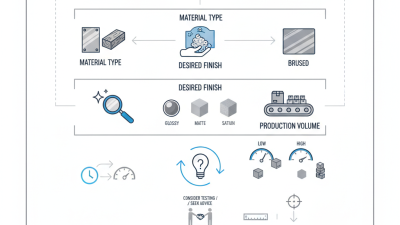
Flat Sheet Polishing Machines come in various models, each designed for specific applications. A machine that excels in one area might not perform as well in another. It’s crucial to assess your needs carefully. Factors like material type, thickness, and desired finish should guide your selection process. A poor choice could lead to wasted resources and subpar results.
Understanding the features and capabilities of different machines is vital. Some machines may offer advanced technology, while others specialize in simplicity and reliability. Each choice has its pros and cons. Taking the time to recognize these can lead to smarter investments and enhanced productivity in your operations.
Understanding Flat Sheet Polishing Machines: An Overview
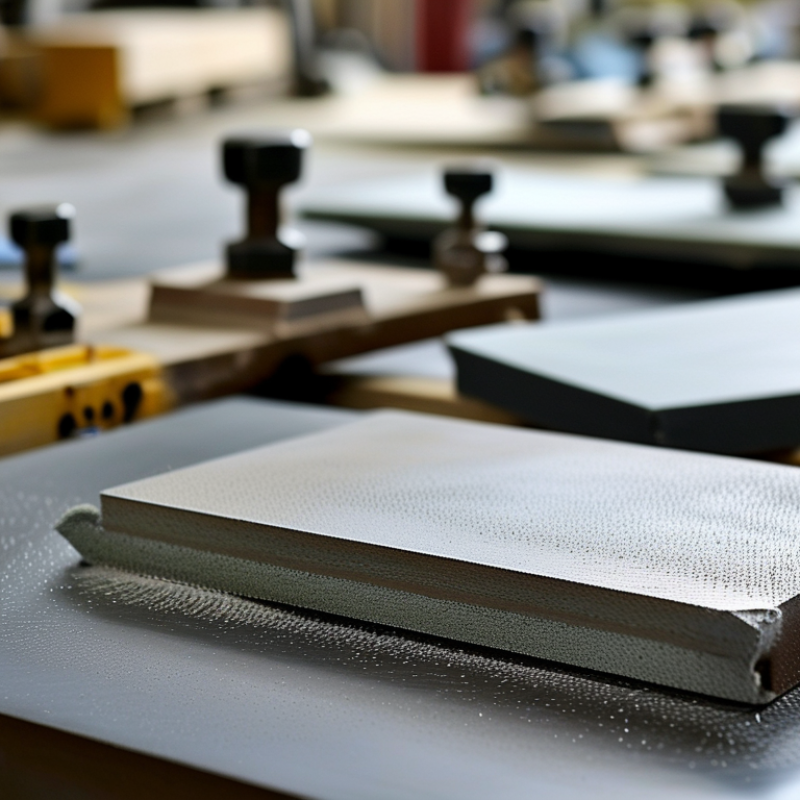
Flat sheet polishing machines play a crucial role in various industries. They enhance the surface quality of flat materials, which is essential for aesthetics and functionality. The global flat sheet polishing machine market has seen a steady growth rate of approximately 5% annually, according to recent industry analytics. This indicates a rising demand for high-quality finishes in materials like metal, wood, and plastic.
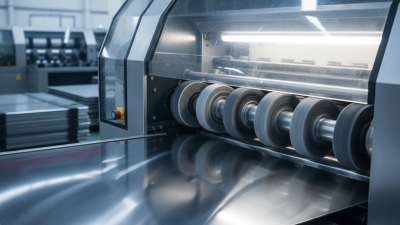
Understanding the components and functions of these machines is vital. Typically, they consist of abrasive pads, motors, and a conveyor system. The right choice can greatly impact production efficiency and quality. However, not all machines are created equal. Some may lack the robustness needed for heavy-use environments, which can lead to frequent downtime. It's important to thoroughly evaluate the machine's specifications and compatibility with your materials.
Moreover, the technology in the flat sheet polishing industry is continuously evolving. Automation features are becoming more common, allowing for consistent polishing results. However, integrating advanced technology can come with a steep learning curve. Many operators find it challenging to adapt to new systems. This highlights the need for training and support during the transition to modern polishing solutions.
Key Features to Consider When Choosing a Polishing Machine
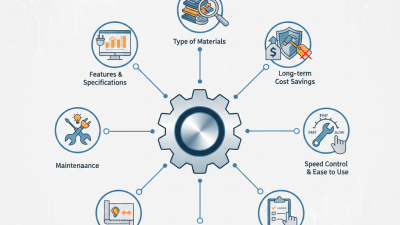
Choosing the right flat sheet polishing machine can significantly enhance your production quality. One key feature to consider is the motor power. According to industry reports, machines with a higher horsepower can handle tougher materials and achieve better finishes. Look for a machine that offers at least 2 HP for optimal performance.
Another critical aspect is the versatility of the machine. Systems that can accommodate various sheet sizes are more valuable. It allows for flexibility in production without the need for frequent adjustments. A study from manufacturing insights reveals that businesses using versatile machines report a 15% increase in operational efficiency.
Additionally, the type of polishing wheels used matters. Some machines come with rubber or felt wheels, each providing different finishes. The right choice depends on the material being polished. Choosing the wrong wheel can lead to unsatisfactory results, necessitating a rethink of your approach. Prioritizing these features while selecting a flat sheet polishing machine can improve your workflow and product quality significantly.
2026 How to Choose the Best Flat Sheet Polishing Machine? - Key Features to Consider When Choosing a Polishing Machine
| Feature |
Importance |
Recommended Range |
| Motor Power |
High |
1.5 - 5 HP |
| Polishing Speed |
High |
1500 - 3000 RPM |
| Table Size |
Medium |
24 x 36 inches |
| Dust Collection System |
High |
Integrated |
| Control Type |
Medium |
Digital or Manual |
| Weight Capacity |
Medium |
Up to 200 lbs |
| Warranty Period |
High |
1 - 3 years |
Types of Flat Sheet Polishing Machines and Their Applications
When selecting a flat sheet polishing machine, understanding the different types and their applications is crucial. There are several categories, including manual, semi-automatic, and fully automatic machines. Manual machines are best for small-scale operations and can be more affordable. However, they require skilled operators for effective use. Semi-automatic options balance convenience and cost, making them suitable for medium-sized businesses. Fully automatic machines, while typically more expensive, offer efficiency for large-scale production.
Tips: Consider your production volume before purchasing. If you are at a low scale, a manual machine might suffice. Evaluate the long-term costs versus initial investments.
In terms of applications, these machines excel in various industries. For instance, they are widely used in woodworking for finishing tabletops and cabinetry. In metalworking, they help achieve a polished surface on metal sheets. Each application demands different polishing techniques, so it's important to match the machine's capabilities to your specific needs.
Tips: Research the polishing techniques required for your materials. Aligning your machine choice with your industry standards can lead to better results. Keep in mind that not every machine is perfect. Continuous updates and maintenance are necessary for optimal performance.
Factors Affecting Performance and Efficiency of Polishing Machines
When selecting a flat sheet polishing machine, several performance factors come into play. The type of motor used is crucial. Machines with higher RPM ratings tend to produce finer finishes. However, a high RPM isn't always synonymous with quality. If the motor lacks torque, it may struggle with thicker materials. An imbalance here can lead to inconsistent polishing results.
Material selection for the polishing pads must also be considered. Harder materials often require specialized pads to avoid damage. Data suggests that using the wrong pad can reduce efficiency by up to 30%. Furthermore, pad wear impacts both the speed and finish of the process. Regular inspections can help maintain optimal performance.
Temperature management during operation is another critical factor. Polishing generates friction, which produces heat. Excessive heat can warp materials and degrade finishes. Ideally, machines should have cooling features. But not all do, leading to overheating problems. Monitoring the machine's temperature can prevent many potential issues. Understanding these factors will guide users in making informed choices for achieving efficient and effective polishing results.
Maintenance Tips for Longevity of Flat Sheet Polishing Machines
Maintaining a flat sheet polishing machine is crucial for ensuring its longevity and optimal performance. Regular cleaning is essential. Dust and residue can accumulate, affecting the machine's efficiency. Use a soft cloth and ensure that all moving parts are free of debris.
Check the lubrication regularly. Proper lubrication reduces wear and tear. If the machine makes unusual noises, it may need more oil. Be mindful of the machine’s temperature during operation. Overheating can lead to serious damage. Allow it to cool down if it becomes too hot.
Calibration should not be overlooked. Outdated settings can lead to uneven finishes. Regularly assess and calibrate the machine according to the manufacturer’s guidelines. By being proactive in maintenance, you can avoid costly repairs and ensure consistent quality in your polishing tasks.