Best Steel Polishing Machines for Efficient Metal Finishing?
In the competitive landscape of metal finishing, the demand for high-quality steel polishing machines is ever-increasing. The global polishing machine market is projected to reach $5.2 billion by 2025, driven largely by advancements in automation and technology. A reliable steel polishing machine not only enhances the aesthetic appeal of metal surfaces but also improves their durability and resistance to corrosion.
Many manufacturers now recognize that investing in advanced polishing equipment can lead to higher productivity and cost savings. For instance, a study indicated that effective polishing could reduce production time by up to 30%. However, selecting the right machine requires careful consideration of various factors, including material types, polishing speed, and desired finish quality.
While some machines offer extensive features, they may not always deliver optimal results without proper setup and operation. Users must understand that mere investment in high-end technology does not guarantee superior outcomes. Ownership of a steel polishing machine comes with the responsibility of regular maintenance and skilled operation to achieve the desired results consistently. Consequently, selecting the ideal steel polishing machine is pivotal for businesses aiming for excellence in metal finishing.
Types of Steel Polishing Machines Available in the Market
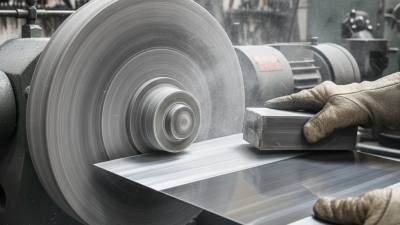
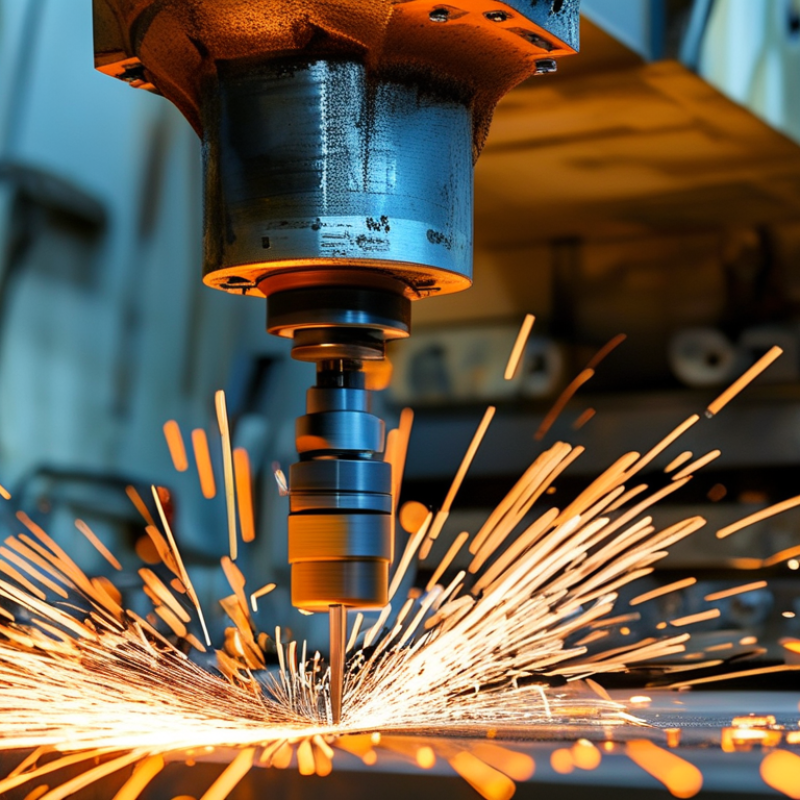
When considering steel polishing machines, it's crucial to know the types available on the market. Each type caters to specific needs and applications. Belt grinders are popular for their versatility. They can remove rust, scale, and provide a smooth finish quickly. These machines fit into both small workshops and large-scale industrial settings.
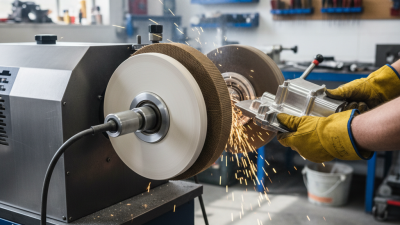
Another option is the disc polisher. These machines often deliver a high-gloss finish. They utilize rotating discs to polish surfaces effectively. However, achieving the desired finish may require practice. Users might find it challenging at first. Understanding the correct pressure and speed is vital.
Finally, vibratory polishers are ideal for bulk processing. They use a combination of media and motion to polish multiple pieces simultaneously. This method can save time, but results may vary. It's essential to adjust techniques based on the specific materials being polished. Exploring these types can lead to improved efficiency and satisfaction in metal finishing tasks.
Best Steel Polishing Machines for Efficient Metal Finishing
| Machine Type |
Polishing Method |
Speed (RPM) |
Power (HP) |
Weight (lbs) |
| Belt Polisher |
Belt Grinding |
3000 |
3 |
150 |
| Disc Polisher |
Disc Grinding |
2800 |
2 |
120 |
| Rotary Polisher |
Rotary Buffing |
2500 |
1.5 |
80 |
| Vibratory Finisher |
Vibratory Deburring |
Variable |
1 |
200 |
Key Features to Consider When Selecting a Polishing Machine
Selecting the right steel polishing machine is crucial for achieving an efficient metal finishing. When making your choice, focus on key features that directly impact performance.
Motor power is a vital consideration. A strong motor ensures faster polishing and is effective on various metal types. Consider the speed settings. Multiple speeds give you more control over the polishing process.
Another important aspect is the polishing pad material. Different materials work best for various metal finishes. Selecting the correct pad can enhance the finish quality while reducing wear on the machine. Look for durability and ease of replacement when choosing pads.
Also, examine the machine's weight and portability. A lightweight design can be advantageous for maneuverability.
Tips: Always check user reviews before purchasing. They offer insights into real-world performance. If possible, test the machine to feel its operation. Remember, an expensive machine isn’t always the best choice. Reflect on the machine's specifications versus your specific needs. Analyzing your requirements carefully leads to better decision-making in the long run.
Steps to Effectively Use Steel Polishing Machines for Metal Finishing
Using steel polishing machines effectively is crucial for achieving high-quality metal finishes. Start by preparing your workspace. Ensure it’s clean and organized to minimize contamination. According to industry reports, a clean environment can reduce defects in the final product by over over 30%. Proper ventilation is essential. Harmful particles and dust can accumulate quickly.
Before polishing, choose the right abrasive materials. The grit size can significantly impact the finish quality. A finer grit may leave a smoother surface, but it could also take longer. Data indicates that using a coarser grit initially removes material faster. However, this may leave scratches that require additional time to buff out. Evaluate the balance between time and finish quality.
Tips: Always test your machine on a scrap piece of steel first. This prevents costly mistakes. Don't rush the process; patience can lead to better outcomes.
Monitor your technique closely. Applying too much pressure can lead to uneven surfaces. This often results in a finish that does not meet standards. Seek feedback from experienced operators. They might offer insights that improve your methods. Remember, perfecting your technique requires continuous learning and practice.
Common Mistakes to Avoid When Polishing Steel Surfaces
Polishing steel surfaces can seem straightforward, yet many overlook critical aspects. One common mistake is failing to select the right polishing compound. Industry experts suggest that using a compound designed for specific steel grades significantly improves results. A report from the Metal Finishing Institute indicated that improper compound choice can lead to excessive wear on the material and diminishing the surface quality.
Another frequent error is neglecting surface preparation. Proper cleaning is crucial before polishing to remove contaminants. A study by the Surface Engineering Association found that 40% of defects in clean finishes stemmed from inadequate pre-polishing prep. This indicates the importance of attention to detail; even minor particles can ruin the entire finish.
Additionally, many operators do not monitor their polishing speeds. Each material requires different speeds to achieve optimal finishes without damaging the surface. According to the American Society of Mechanical Engineers, incorrect speed settings can reduce efficiency by up to 30%. A careful calibration of equipment and constant assessment during the polishing process can help mitigate these issues.
Maintenance Tips for Prolonging the Life of Polishing Machines
Maintaining polishing machines is crucial for their longevity and efficiency. Routine checks help prevent unexpected breakdowns. Inspect the belts and pads regularly. Replace worn-out parts promptly to avoid further damage. This simple step can save time and money in the long run.
Cleaning is essential for performance. Dust and metal shavings accumulate over time. By using a soft brush or dry cloth, you can keep the machine in prime condition. Pay attention to the motor area and vents to ensure proper airflow. Neglecting this aspect leads to overheating issues.
Proper storage also plays a significant role. If not in use, store the machine in a dry, cool area. Humidity can cause rust and degradation of machine components. Consider using protective covers for additional defense against dust. These small actions contribute to sustainable usage and optimization of the machine's capabilities. Take a moment to evaluate your current maintenance routine. Are there steps you can improve? Regular reflection on these practices can enhance overall efficiency.