What Is a Sheet Metal Sanding Machine Used For?
A Sheet Metal Sanding Machine prepares flat or formed metal parts for the next stage of production. It can remove light burrs, smooth rough edges, reduce surface scale, and blend minor weld marks. The result is a more even surface for painting, coating, polishing, or assembly. On a workshop floor, this may mean feeding a stainless-steel panel beneath an abrasive belt and checking its finish under bright light. Small differences matter.
The machine’s exact role depends on its abrasive type, pressure settings, feed speed, and dust-collection system. A fine abrasive may improve appearance, while a coarser belt can remove more material but leave visible scratches. Operators should match the setup to the metal, thickness, and desired finish, then inspect sample parts before processing a full batch. It is not a magic fix. Deep dents, heavy weld buildup, or uneven stock may need other preparation first. That distinction is easy to overlook.
This guide explains what the machine is used for, which surfaces it can handle, and where its limits become important. It also considers practical details such as consistent feeding, heat buildup, and abrasive wear. Results vary between machines and materials, so manufacturer instructions and a test run are sensible starting points. A clean, uniform finish usually comes from careful setup—not simply pressing harder or choosing a more aggressive belt.
How a Sheet Metal Sanding Machine Works
What Is a Sheet Metal Sanding Machine Used For?
How a Sheet Metal Sanding Machine Works
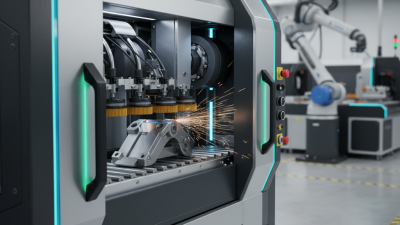
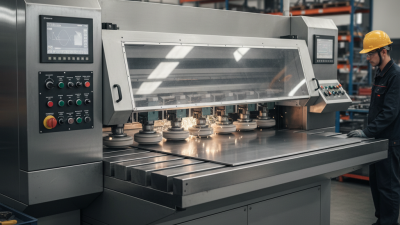
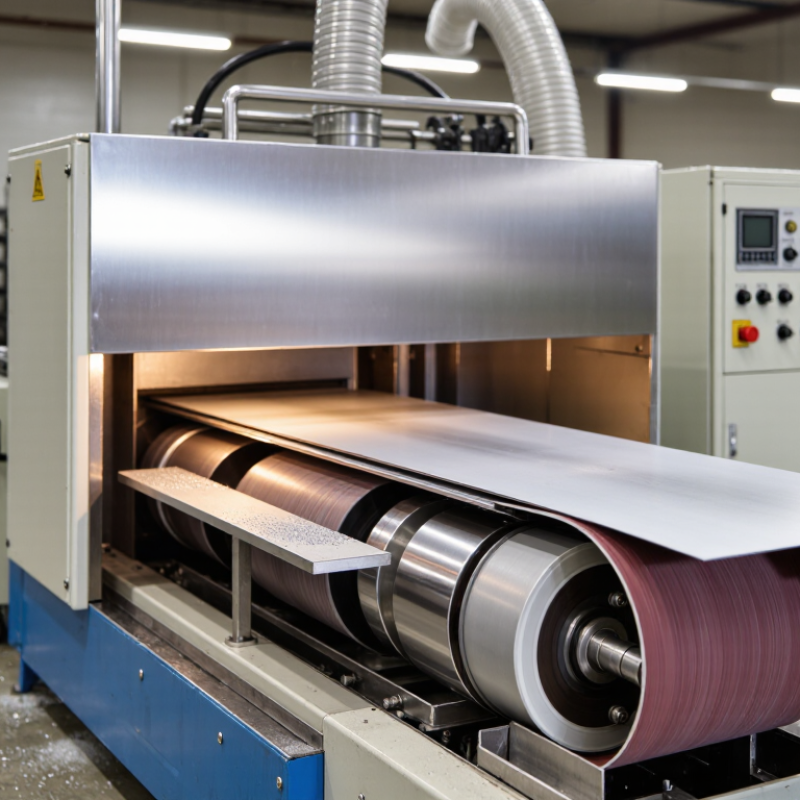
A sheet metal sanding machine moves a panel beneath an abrasive belt or rotating sanding head. The abrasive grains cut away small surface irregularities, such as sharp burrs, light oxidation, and weld discoloration. A conveyor controls the sheet’s travel, while pressure rollers or a contact platen keep it against the abrasive. Some machines add brush heads to soften edges or improve the finish. Dust extraction captures particles near the sanding zone. The exact result depends on abrasive grit, feed speed, and pressure. Too much pressure can leave grooves or heat marks. A smooth-looking surface is not always a uniform one.
Tips: Check the sheet’s thickness and finish requirements before choosing an abrasive. Test a small area, and inspect edges under angled light. NIOSH’s 1998 Criteria for a Recommended Standard: Occupational Noise Exposure recommends an eight-hour exposure limit of 85 dBA. OSHA’s noise standard sets an 8-hour permissible exposure limit of 90 dBA. Measure noise around the machine, and use suitable hearing protection when needed. Small checks matter. Keep extraction clear, too; collected metal dust can reduce airflow and leave residue on finished panels.
What Surface Defects It Removes
A sheet metal sanding machine removes raised burrs left by shearing, punching, or laser cutting. These thin, sharp edges can snag gloves and interfere with later assembly. Abrasive belts or brushes smooth the edge and reduce the risk of handling cuts. They can also remove small dross deposits and rough spots around cutouts. Not every mark.
On flat faces, sanding can blend shallow scratches, light surface scale, and uneven areas left by grinding or welding. A suitable abrasive may soften a raised weld bead or reduce visible discoloration, but it will not fill pits or repair deep dents. Those defects may need a different process. The result depends on the metal, abrasive grit, pressure, and feed speed. Too much pressure can leave new scratches or create heat discoloration, especially on thin sheet. That matters.
In practical work, inspect the panel under angled light after sanding; fine lines can disappear under shop lighting and show up later after coating. Edge quality also deserves a close check. A machine may smooth the broad surface while leaving burrs inside narrow slots or corners. Results are not always perfectly uniform, so adjust the process and inspect a sample before finishing a full batch.
How It Prepares Metal for Finishing
What Is a Sheet Metal Sanding Machine Used For?
A sheet metal sanding machine prepares metal surfaces for paint, powder coating, or other finishes. Its abrasive belt or brush removes burrs, sharp edges, light oxidation, and surface irregularities. A controlled pass can also create a more even texture, helping coatings adhere consistently. You can see the difference under angled light: scratches and raised edges become easier to spot before finishing. The machine cannot correct deep dents or poor fabrication. Those need attention earlier.
Surface preparation matters because a finish protects only as well as its substrate allows. NACE International’s 2016 IMPACT study estimated corrosion costs at $2.5 trillion annually, about 3.4% of global GDP. That figure is not a measure of sanding-machine performance, but it shows why durable corrosion protection deserves careful preparation. In practice, operators match abrasive type, belt speed, and feed pressure to the metal and desired finish. Too much pressure can heat thin sheet, round edges, or leave uneven marks. Check the result before coating; appearance alone does not confirm cleanliness.
Tips: Test a sample panel first. Keep it simple. Use light, even pressure, and inspect the surface between passes. Remove sanding dust before applying the finish, since trapped particles can spoil an otherwise smooth coating.
Where Sheet Metal Sanding Machines Are Used
Sheet metal sanding machines are used in automotive, appliance, HVAC, and general fabrication shops. They remove burrs after laser cutting or punching, soften sharp edges, and prepare panels for paint or coating. In vehicle production, typical workpieces include door panels, brackets, and battery-enclosure parts. Operators may feed flat sheets through a wide-belt machine, then inspect corners by hand. Small details matter.
Appliance makers use sanding equipment on cabinet panels and housings, while HVAC shops process duct sections and equipment enclosures. Architectural metal fabricators also finish wall panels, elevator components, and handrails.
The International Energy Agency reported nearly 14 million electric-car sales worldwide in 2023, around 18% of new-car sales. That figure signals substantial activity across automotive supply chains, though it does not measure sanding-machine demand.
IRENA reported 473 GW of renewable power capacity additions in 2023; metal fabricators also supply mounting parts and electrical enclosures for energy projects.
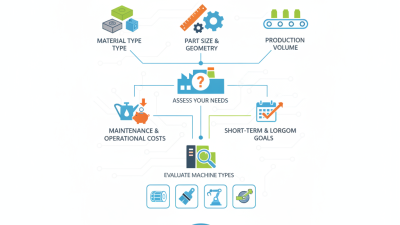
Machine choice depends on sheet thickness, finish requirements, and production volume.
A frequent planning mistake is focusing only on throughput. Thin panels can warp, and aggressive sanding may leave visible scratches that paint will not hide.
Common Machine Types and Their Capabilities
A sheet metal sanding machine removes burrs, blends welds, smooths cut edges, and prepares surfaces for coating. A wide-belt machine suits flat panels and repeat production; the moving abrasive belt works across a broad, even surface. A handheld or compact belt machine reaches smaller parts and weld seams, but depends more on operator control. Brush machines are useful for edge rounding and light deburring, especially on parts with many punched openings. They are less suited to removing deep weld marks.
Abrasive choice changes the result. FEPA’s coated-abrasive grading data lists nominal grain sizes of about 201 micrometres for P80 and 125 micrometres for P120. Coarser grit cuts faster but can leave visible scratches; finer grit usually needs more passes.
Not a guarantee. A sheet’s alloy, thickness, and heat sensitivity also affect settings. For example, excessive pressure on a thin stainless panel can cause heat tint or distortion.
ISO 21920-2:2021 defines profile parameters used to describe surface texture, giving shops a consistent way to specify and check finish.
That distinction is easy to overlook: a machine that removes material quickly may not deliver the finish a coating process needs. Operators should test a sample, then check both the edge and the flat surface.