Best Plate Sheet Polishing Machine for High Quality Finishing Solutions?
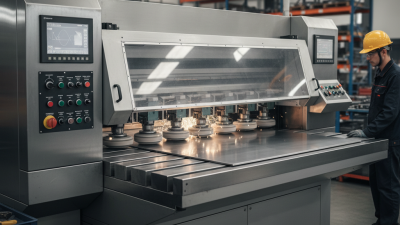
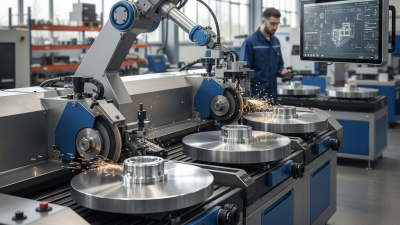
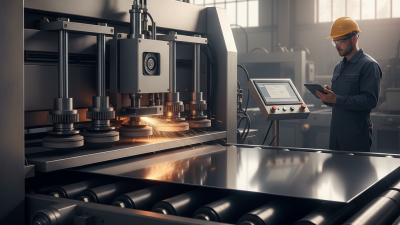
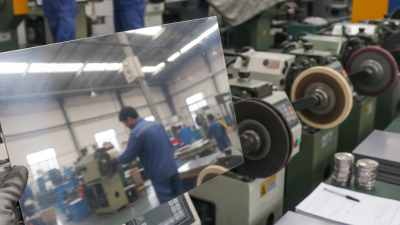
When it comes to achieving high-quality finishes on metalworks, the Plate Sheet Polishing Machine stands out as an essential tool. This machine is designed to elevate the surface quality of metal sheets, making them visually appealing and functional. Selecting the best polishing machine can drastically improve production cycles and lead to better final products.
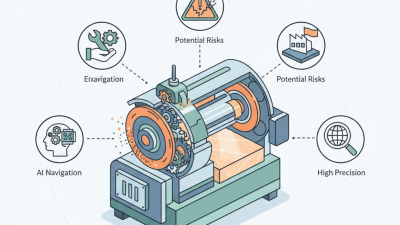
Consider the various applications of the Plate Sheet Polishing Machine. Industries such as automotive, aerospace, and manufacturing rely heavily on precise finishes. Understanding the specific needs of your projects can lead to better decision-making. However, not all machines are created equal. Some may promise exceptional results, but deliver underwhelming performance. Reflecting on user experiences can provide insights into which machines truly excel.
In this competitive market, choosing the right Plate Sheet Polishing Machine involves weighing features, costs, and reliability. It's important to consider the long-term benefits over initial expenses. A machine that stands the test of time often requires a larger investment upfront. Exploring all these aspects will equip you with the knowledge needed to make an informed decision, ensuring you achieve the high-quality finishes your projects deserve.
Understanding Plate Sheet Polishing Machines and Their Importance
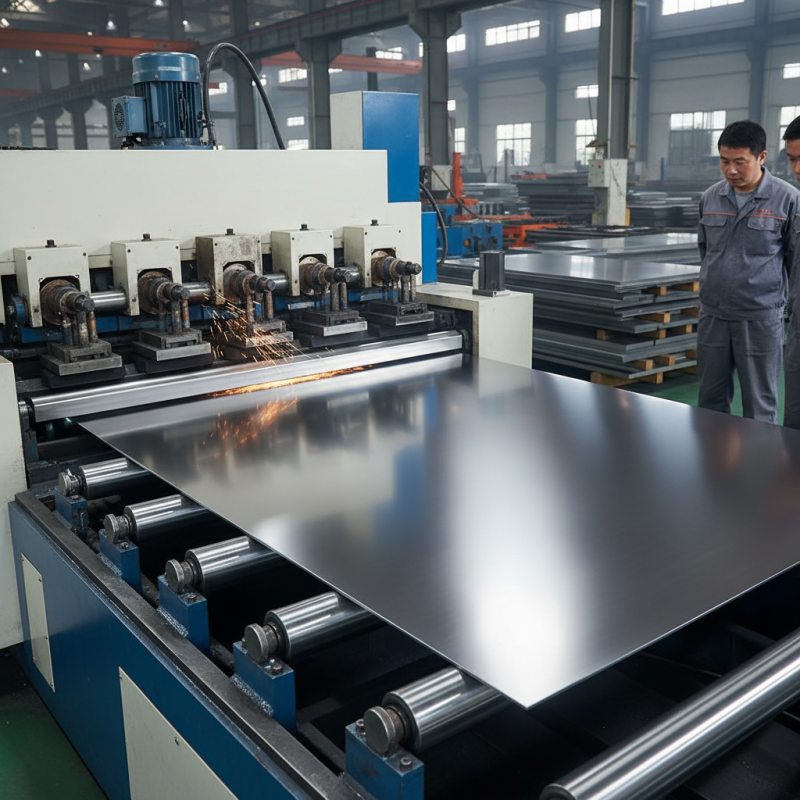
Plate sheet polishing machines play a crucial role in achieving high-quality finishes in various industries. These machines not only enhance the appearance of metal surfaces but also improve their corrosion resistance. According to a report by the International Journal of Advanced Manufacturing Technology, polished surfaces can reduce oxidation levels by up to 45%, increasing longevity.
The importance of these machines cannot be overstated. They ensure uniformity in finishing, which is vital in sectors like automotive and aerospace. A well-polished surface minimizes friction, increasing efficiency. Statistics show that a micro-polished surface can enhance performance metrics by 30%. However, many companies overlook the maintenance of these machines, leading to inconsistencies in finish quality. Regular checks and timely servicing are essential to avoid production downtime.
Tip: Invest in a high-quality abrasive material. This can significantly affect both polishing speed and the final finish quality. Additionally, always consider the optimal RPM settings for your specific material; incorrect speeds can cause uneven surfaces. Keep in mind that operator training is just as crucial to avoid mistakes that may arise from improper technique, leading to costly rework.
Key Features to Look for in a High-Quality Polishing Machine
When evaluating a plate sheet polishing machine, several key features are crucial for achieving high-quality finishes. First, the build quality of the machine itself is paramount. A rigid frame minimizes vibrations, which can ruin the polishing process. According to the Metal Finishing report, machines with a sturdier build can enhance polish consistency by up to 25%.
Another essential feature is the motor power and speed. A powerful motor allows for efficient polishing across various materials. Industry standards suggest a machine with at least 2 HP for heavy-duty applications. Additionally, variable speed controls provide flexibility for different polishing tasks. This adaptability is vital for finishing delicate surfaces without damage.
Dust extraction is often overlooked but plays a significant role in the polishing process. Efficient dust removal not only improves visibility but also protects machine components. Research indicates that machines equipped with good extraction systems can increase productivity by 30% due to reduced downtime for cleanup. Evaluating these attributes and their impact on performance can lead to more informed decisions in sourcing high-quality polishing solutions.
Types of Materials Suitable for Plate Sheet Polishing
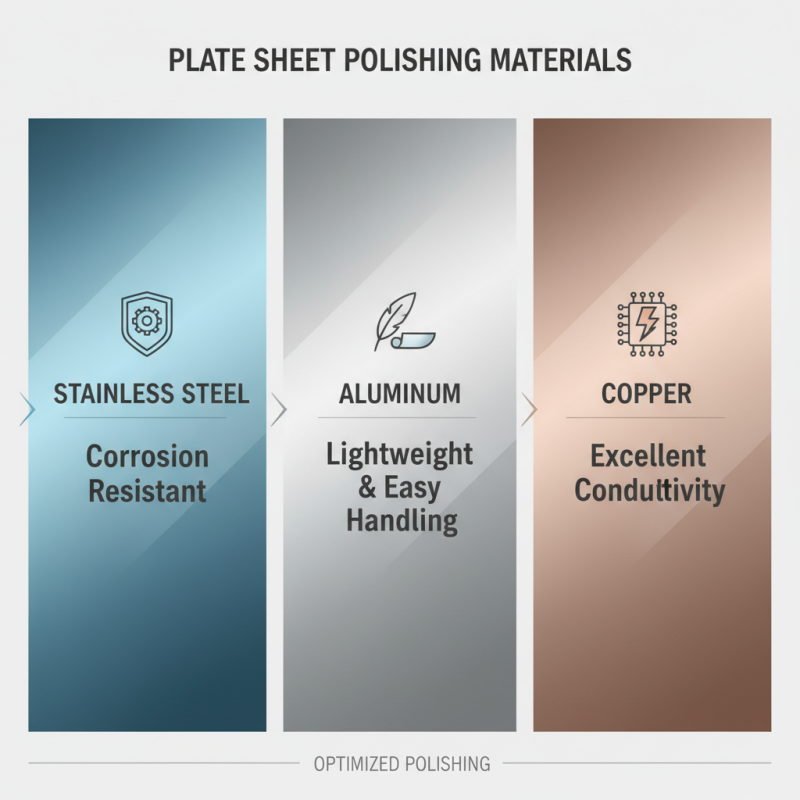
When considering polishing machines for plate sheets, understanding the types of materials is crucial. Common materials include stainless steel, aluminum, and copper. Each has unique properties that affect the polishing process. Stainless steel is known for its corrosion resistance, making it a favorite in various industries. Aluminum’s lightweight nature allows for easy handling, while copper is often chosen for its excellent conductivity.
Tips: Always assess the hardness of the material. Some machines may struggle with harder surfaces. Test a small area before extensive polishing to gauge results.
Another important factor is the thickness of the plates. Thicker materials may require more robust machines to achieve a high-quality finish. It’s also essential to consider the intended use of the polished sheets. Industrial applications may demand different finishes compared to decorative uses. Not every finish type suits every project.
Tips: Ensure that you understand the machine’s capabilities. Sometimes, less popular finishes can yield impressive results. Regular machine maintenance is vital for consistent performance.
Top Brands of Plate Sheet Polishing Machines in the Market
When it comes to plate sheet polishing machines, several top brands dominate the market. These machines are essential for achieving high-quality finishing on metal surfaces. According to a 2023 industry report, nearly 70% of manufacturers prioritize polishing machines that enhance surface quality and reduce processing time. This preference underlines the importance of investing in reliable and effective polishing solutions.
Several brands have established themselves as leaders in this sector. They offer machines that can handle various materials, including stainless steel, aluminum, and brass. A recent study highlighted that machines capable of automatic feed and precise control can increase productivity by up to 40%. However, not all brands provide consistent quality. Users should critically evaluate reviews and feedback, as not all machines deliver on their promises.
Another decomposed consideration is the machine's maintenance requirements. Machines with complex designs often lead to higher downtime, despite their initial appeal. Industry experts recommend checking maintenance protocols before purchase. This feedback loop is essential for making informed decisions. Balancing performance and reliability can be challenging, but it is crucial for long-term satisfaction.
Performance Comparison of Plate Sheet Polishing Machines
Maintenance Tips for Ensuring Optimal Performance and Longevity
When utilizing a plate sheet polishing machine, maintenance is essential. Regular upkeep can enhance performance and extend longevity. According to a report from the American Machine Tool Distributors' Association, proper maintenance can improve machine efficiency by up to 30%. This is significant in high-demand environments where quality output is a priority.
Ensuring optimal performance requires a few easy tips. Clean the machine after each use to prevent residue build-up. This simple act can minimize wear and tear on movable parts. Additionally, lubricate moving components at least once a month. This reduces friction and prevents overheating, which is critical during intensive polishing sessions. Neglecting these tasks can lead to costly repairs and prolonged downtime.
Monitor the polishing pads closely. Worn pads can adversely affect finish quality. Replace them when they show signs of wear. The National Institute of Standards and Technology suggests routine inspections can catch potential issues early. Implementing these strategies can foster a more efficient operation. Ignoring them may result in unexpected failures down the line.