Leave Your Message

How to Choose the Right Deburring Machine for Your Needs?

Choosing the right deburring machine is crucial for any manufacturing business. Industry expert John Smith states, “Selecting the right machine can streamline your production and enhance quality.” His insight underscores the importance of making informed choices.

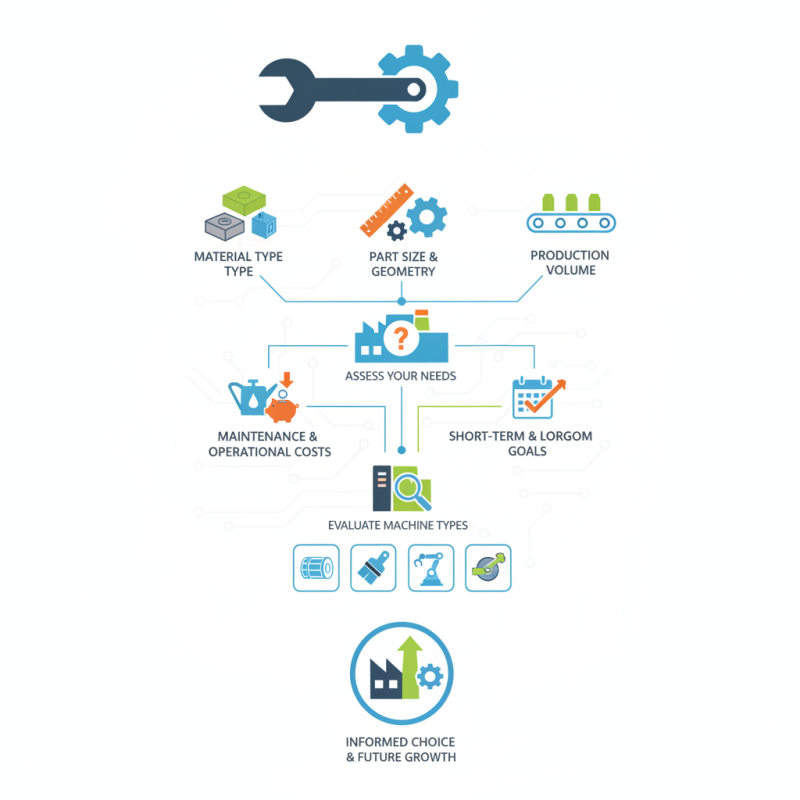
Deburring machines come in various types, each suited for different applications. Understanding your specific needs is key. Consider the material you work with, the size of the parts, and the production volume. Each factor significantly impacts the machine's performance.

Many businesses overlook maintenance and operational costs when selecting a deburring machine. This can lead to unexpected expenses and inefficiencies. It's essential to reflect on both short-term needs and long-term goals. Taking the time to evaluate different models will help avoid regretful decisions later on. Your investment in a deburring machine should foster growth and efficiency in the future.
How to Choose the Right Deburring Machine for Your Needs?

Factors to Consider When Choosing a Deburring Machine

Choosing the right deburring machine can feel daunting. Consider essential factors to ensure you meet your specific needs. Start with material type. Different metals and plastics require distinct deburring techniques. Knowing your material will guide your decision.

Look at the size and volume of production. A high-output facility may benefit from a large machine. Smaller operations might prefer compact options. Remember, the machine's footprint is just as important. Also, think about maintenance. Some machines need frequent servicing; others offer low-maintenance solutions.

Tips: Always evaluate the machine’s ease of use. User-friendly controls can save time and minimize errors. Also, don’t overlook energy efficiency. A machine that consumes less power can significantly reduce operational costs. Finally, consider training for staff. This helps maximize the benefits of your new deburring machine. It's important to reflect on these aspects to avoid future frustrations.
Types of Deburring Machines: Overview of Options and Applications

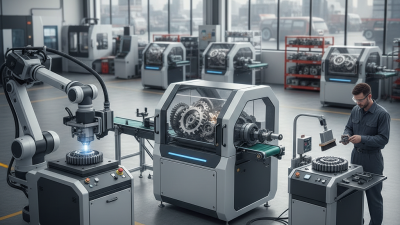
When selecting a deburring machine, understanding the various types available is crucial. There are several options tailored to different applications. For example, manual deburring tools offer flexibility and are cost-effective. They work well for small batches. Automated systems, on the other hand, enhance efficiency for large-scale production. Each type has its strengths and weaknesses.

A prominent option is the rotary deburring machine. This machine utilizes rotating brushes to smooth out edges effectively. It’s ideal for intricate parts, but careful setup is critical. Overzealous usage could lead to significant material removal. Conversely, vibratory deburring machines are excellent for bulk processing. They gently polish surfaces but require thorough time management to avoid excessive wear.

Tips: Always evaluate the materials you will work with. Some machines excel with metals while others may be better suited for plastics. Regular maintenance is essential to keep machines operating efficiently. Lastly, consider the noise levels; some machines can be quite loud, impacting your work environment. Balancing these factors can guide you toward the best choice for your needs.

How to Choose the Right Deburring Machine for Your Needs? - Types of Deburring Machines: Overview of Options and Applications

Machine Type Description Applications Advantages Considerations
Manual Deburring Tools Hand-held tools designed for precision deburring. Small parts, intricate designs. Cost-effective, versatile. Labor-intensive, not suitable for large production.
Rotary Deburring Machines Machines using rotating abrasive tools to deburr edges. Medium to high-volume production. Fast processing time, consistent results. Initial investment costs, requires maintenance.
Vibratory Deburring Machines Uses vibratory motion with abrasive media to deburr parts. Bulk processing of complex shapes. Effective for large batches, gentle on parts. Longer cycle times, requires careful media selection.
Laser Deburring Machines Using laser technology for precise deburring. High-precision industries, medical devices. High accuracy, minimal heat-affected zone. High capital cost, operator training needed.
Wet Deburring Machines Utilizes coolant or water to facilitate the deburring process. Metal finishing, reducing dust. Lower dust creation, helps with cooling. Slower drying, potential for rusting if not managed.

Key Specifications to Evaluate: Speed, Size and Power Requirements

How to Choose the Right Deburring Machine for Your Needs?

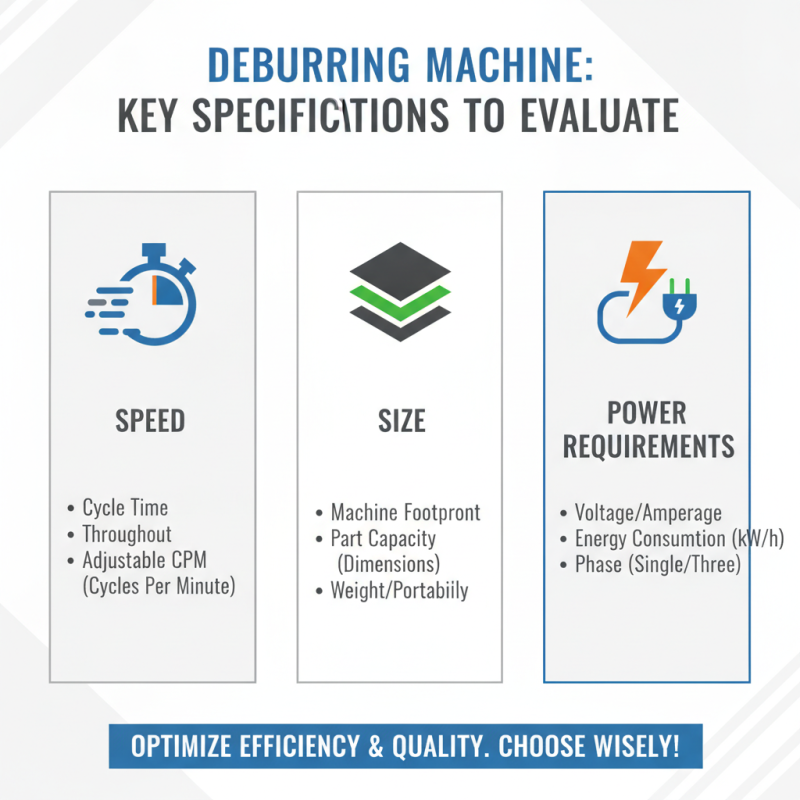
Choosing the right deburring machine is crucial for efficiency and quality. Key specifications include speed, size, and power requirements. Understanding these factors can significantly impact your operations.

Speed is paramount in high-volume applications. Machines can range from 10 to 30 feet per minute. A faster machine reduces cycle time but may increase tool wear. For some operations, the balance between speed and quality is vital.

Power requirements affect both functionality and energy costs. Machines with higher power can handle tougher materials. However, they may consume more energy, leading to higher operational costs. Always assess the power needs to align with your budget.

**Tip:** Assess your workload first. If you have various materials, versatility may be more beneficial than raw speed.

Size matters too. Compact models save space but may limit capacity. Larger machines offer more options but require more maintenance. Evaluate your floor plan and workload carefully.

**Tip:** Don't overlook the machine's maintenance needs. Regular servicing can prolong the machine’s lifespan. A neglected machine can lead to inconsistent results.

Keep these specifications in mind to choose wisely. Machines should fit your unique production needs for the best results.

Understanding Material Compatibility: Choosing the Right Machine for Your Needs

How to Choose the Right Deburring Machine for Your Needs?

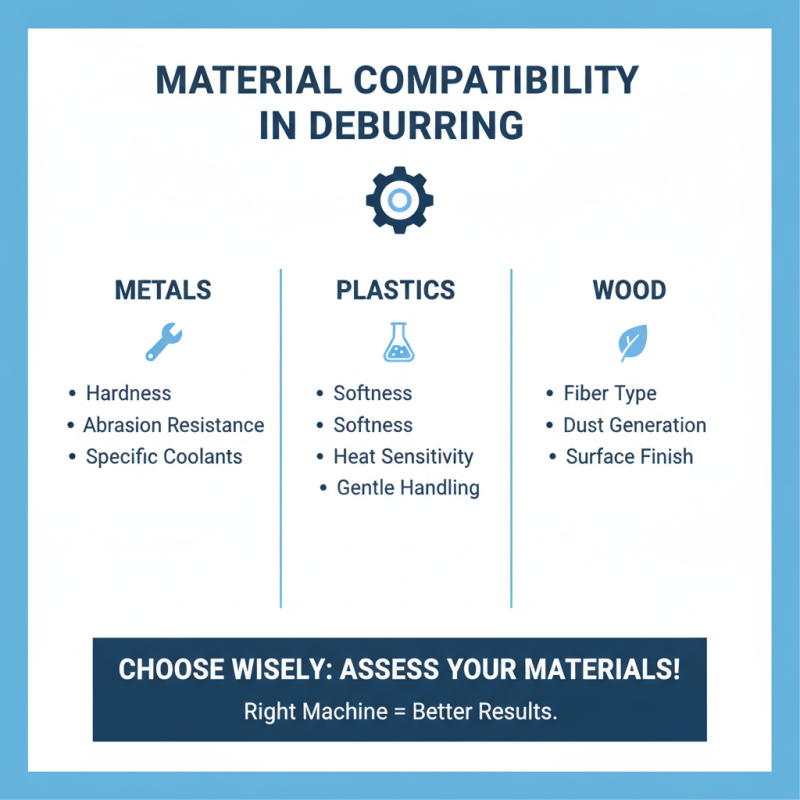
Choosing the right deburring machine involves understanding material compatibility. Different materials require specific handling techniques. For instance, metal, plastic, and wood all have unique properties. A machine suitable for one type may not work for another. It's essential to assess the materials you frequently process before making a decision.

When selecting a machine, consider its design and purpose. Some machines excel at removing burrs from hard metals, while others are better for softer materials. An incorrect choice might lead to inefficiencies. It might even cause damage to your workpieces. Testing the machine with your materials beforehand can prevent future complications.

Tips: Always check the machine's specifications and compatibility. Look for user reviews about its performance with similar materials. Consult experts or industry professionals to gain insights into your specific application needs. Don't overlook potential maintenance requirements, as proper upkeep is vital for longevity. A machine that works perfectly today may require adjustments later on.

Cost vs. Performance: Assessing Budget Constraints in Deburring Solutions

Choosing the right deburring machine involves balancing cost and performance. Many factors influence this decision, especially budget constraints. Investing too little can lead to poor performance. You may experience higher maintenance costs later. A low initial price isn't always the best choice.

Performance is crucial in a deburring machine. Machines that handle complex shapes and materials may cost more upfront. However, their long-term efficiency can be worth it. You may find that higher-quality machines reduce manual labor and improve output speed. Consider your production volume and the specific requirements of your projects.

Keep in mind that cheaper models often have limitations. They may struggle with precision or durability. This can affect your work quality. Reflect on your needs and weigh them against your financial constraints. Sometimes, spending more upfront leads to savings in the long run.