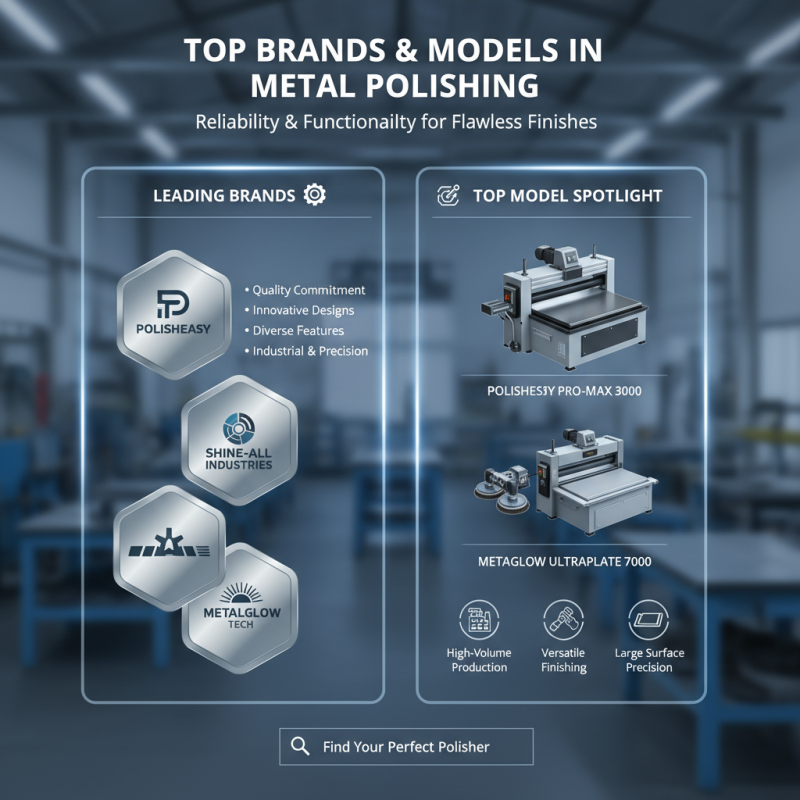
Best Metal Plate Polisher Machine for Global Buyers?
When purchasing a Metal Plate Polisher Machine, global buyers face numerous challenges. The variety of machines available can be overwhelming. Understanding which features are essential is key. Buyers need to consider the machine's capacity, polishing speed, and ease of use.
Many manufacturers claim their machines are the best, but which one stands out? Evaluating reliability is crucial. It's not just about the shiny finish; it's also about durability. Some machines may perform well initially but fail over time. Buyers should read reviews and seek expert opinions.
Investing in a Metal Plate Polisher Machine is significant. It's important to balance cost with quality. Sometimes, cheaper options can lead to more expenses later. Therefore, informed decisions are essential. In the end, gathering relevant information will lead to the best choice.
Overview of Metal Plate Polisher Machines
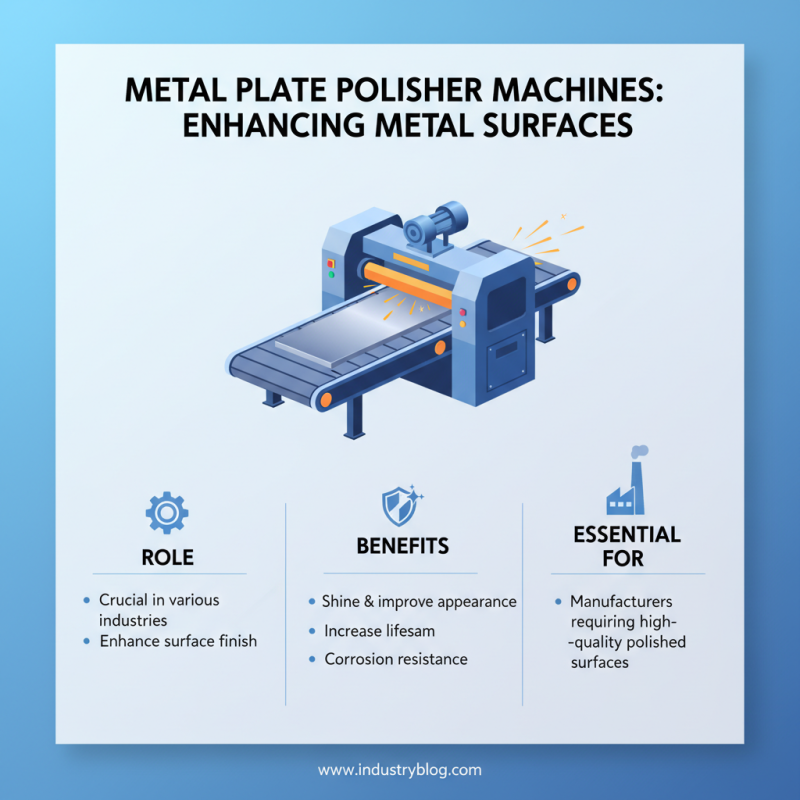
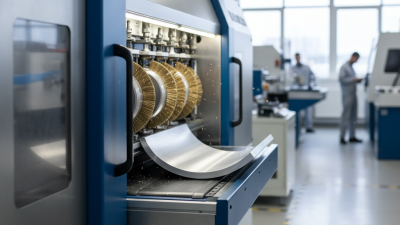
Metal plate polisher machines play a crucial role in various industries. They enhance the surface finish of metal plates, making them shine and improving their appearance. These machines are essential for manufacturers who require high-quality polished surfaces. The polishing process increases the lifespan of metal products while enhancing their resistance to corrosion.
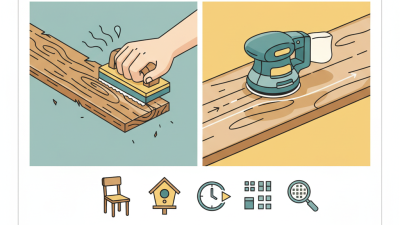
Most machines offer different polishing techniques, including mechanical buffing and chemical polishing. Users need to understand which technique suits their specific needs. Mechanical methods often involve abrasive pads and compounds, while chemical polishing relies on solutions to improve finishes. Each method has its own learning curve, and users may struggle initially to achieve optimal results.
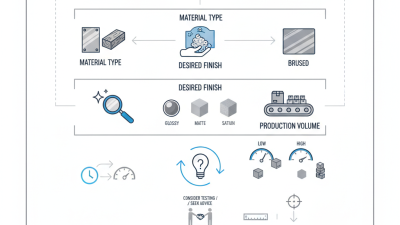
Selecting the right machine can be challenging due to the various features available. Potential buyers should consider the size and type of metal plates they typically work with. The polishing performance can vary significantly depending on the machine's capabilities. Users often find themselves reflecting on their choices, aiming for a machine that balances efficiency and durability. It’s important to review specifications carefully before making a purchase.
Key Features to Look for in a Metal Plate Polisher
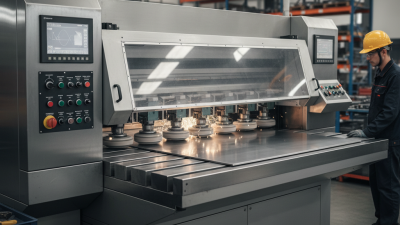
When selecting a metal plate polisher, several critical features emerge. The motor power is one such factor. A strong motor ensures effective polishing outcomes, leading to smoother finishes. Look for machines that offer various speed settings. Adjustable speeds allow for compatibility with different metal types. Stainless steel and aluminum require distinct approaches, and flexibility is key.
Another vital aspect is the polishing pads. High-quality pads significantly influence polishing effectiveness. Materials such as felt or foam can enhance the process. Choose pads that match your specific polishing needs. Durability matters too; longer-lasting pads save time and costs over time. Additionally, safety features like protective covers and automatic shut-off are essential. These contribute to a more secure working environment.
Consider the size and weight of the machine. Portability could be an issue if the machine is too heavy. A lightweight model may be easier to handle but could sacrifice power. Reflecting on your workspace will help you make a better decision. Ultimately, understanding your unique requirements is crucial to finding the best metal plate polisher. This journey can involve trial and error, as initial choices may not always meet expectations. Embrace the learning curve along the way.
Comparative Analysis: Manual vs. Automatic Polishing Machines
When choosing between manual and automatic polishing machines, one must consider various factors. Manual polishing machines often require skilled operators. They offer flexibility and can adapt to unique tasks. However, the precision may vary, leading to inconsistent finishes. According to industry reports, manual machines result in a 15-25% variance in polishing quality, depending on the operator's experience.
On the other hand, automatic polishing machines guarantee uniform results. These machines often employ advanced technology to ensure consistency. Recent studies show that the use of automatic systems can reduce polishing time by up to 50%. This efficiency gains importance, especially in high-demand environments. Despite their advantages, initial costs and maintenance must be accounted for. Operators may need training to use these sophisticated machines effectively.
Both types have their advantages and challenges. Manual machines are often more accessible but require considerable skill. Automatic machines provide efficiency but can be costly. Evaluating these factors is critical for any buyer seeking the best solutions for metal polishing. Understanding these dynamics helps make informed choices in a competitive market.
Comparative Analysis of Manual vs. Automatic Metal Plate Polishing Machines
Maintenance Tips for Optimal Performance of Polishing Machines
Polishing machines are essential for achieving high-quality finishes on metal surfaces. Proper maintenance can significantly improve their performance and extend their lifespan. Regular inspection is crucial. Keep an eye on the components. Replace worn brushes and pads to maintain efficiency.
One of the most common issues is overheating. Ensure that the machine has adequate ventilation. Avoid running it for too long without breaks. This practice prevents overheating and extends the machine’s operational life. Regularly clean the polishing pads to prevent dust buildup. A clean pad works more effectively.
Lubrication is another critical factor for optimal performance. Check the machine’s manual for specific guidelines. Using the correct lubricant can enhance smooth operation. The right maintenance not only improves results but also minimizes the risk of machine failure. Remember, neglecting maintenance can lead to bigger issues down the line. Keeping a log of maintenance activities can help track what needs attention.
Best Metal Plate Polisher Machine for Global Buyers? - Maintenance Tips for Optimal Performance of Polishing Machines
| Model |
Power (W) |
Weight (kg) |
Speed (RPM) |
Price (USD) |
| Polisher A |
1500 |
30 |
3500 |
450 |
| Polisher B |
2000 |
35 |
3000 |
600 |
| Polisher C |
1800 |
28 |
3200 |
500 |
| Polisher D |
2200 |
40 |
2800 |
700 |