Choosing the right Plate Sheet Deburring Machine can affect production speed, edge quality, worker safety, and long-term operating costs. A polished sheet may look simple, yet its edges can hide sharp burrs, heat marks, or uneven bevels. In a busy workshop, these defects may damage coatings, delay assembly, or cause rejected parts. A reliable decision requires more than comparing purchase prices.
This guide presents seven practical tips based on common fabrication needs and machine evaluation experience. Consider the sheet materials, thickness range, burr size, production volume, and required edge finish. Check whether the machine handles stainless steel, carbon steel, aluminum, or mixed materials consistently. Examine brush or abrasive life, dust collection, feeding stability, and adjustment controls. A test sample can reveal more than a brochure. Watch the sheet move through the machine. Listen for vibration. Inspect both edges under bright light.
Manufacturer reputation also matters. Review technical documentation, warranty terms, spare-part availability, training, and service response times. Ask for measurable results rather than broad claims. Independent references can help, but they should be verified carefully. No machine is perfect. Even experienced buyers may overlook noise levels or cleaning time. That is worth admitting. A lower-cost model may become expensive when abrasive replacement, downtime, and manual rework accumulate. The best choice balances finish quality, operator control, maintenance demands, and realistic production goals. This approach supports safer purchasing decisions and more dependable results over the machine’s working life.
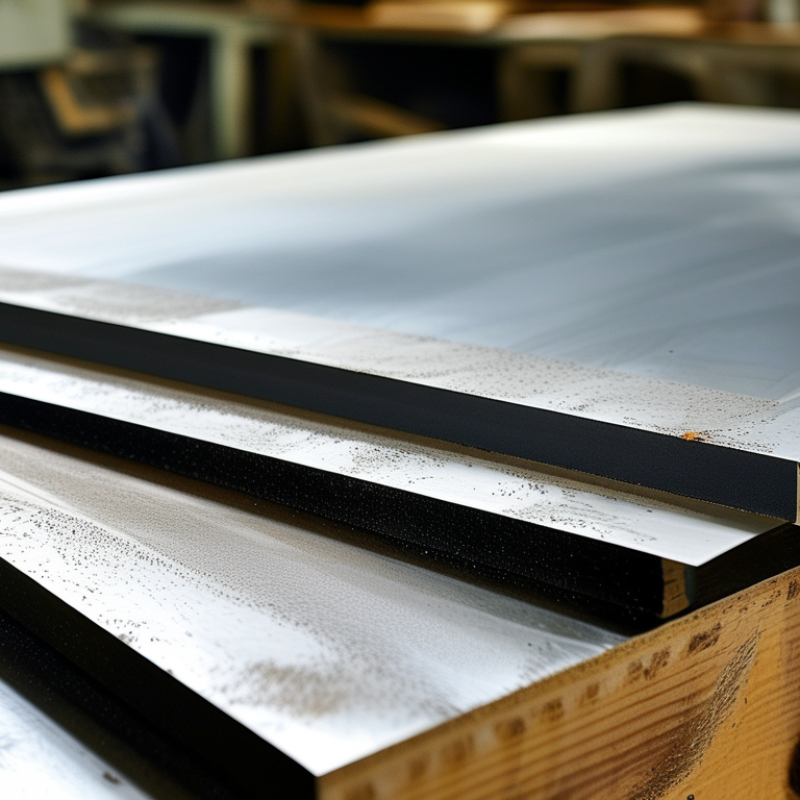
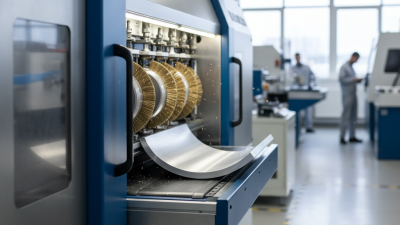
A plate sheet deburring machine removes sharp edges, burrs, and uneven material after cutting or punching. Its main function is not simple polishing. It prepares metal for safer handling, better coating adhesion, and more consistent assembly. Abrasive belts can level heavy burrs, while rotating brushes soften edges and reach small surface variations. Some machines also remove light oxide layers from thermal cutting.
Material type matters. Stainless steel, mild steel, and aluminum may need different abrasives and feed speeds. A useful test begins with a sample plate. Check both faces, the corners, and the cut openings. The first pass may look clean, yet a sharp corner can remain. That detail is easy to miss.
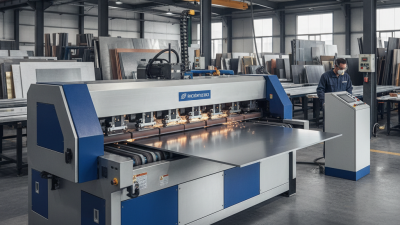
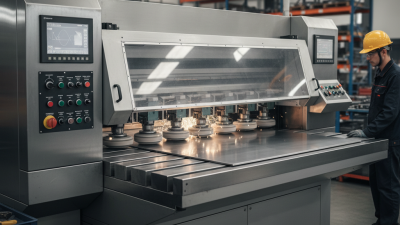
Machine width should match the largest sheet you process regularly. A stronger motor helps with thick plates, but excessive pressure can distort thin material. Adjustable feed speed offers better control. Dry systems are often simpler to maintain, while wet systems can reduce dust and heat during intensive work. Confirm that guarding, emergency stops, and dust collection are practical for daily use. Operators should also inspect brushes and abrasive belts because worn parts create uneven results. No machine is perfect. A careful trial with real materials often reveals weaknesses that a specification sheet hides.
Understanding Plate Sheet Deburring Machines and Their Main Functions
The chart presents a practical 1–10 evaluation index for the main factors that influence plate sheet deburring machine selection. Higher scores indicate greater importance when comparing equipment for consistent edge quality, productivity, safety, and operating cost.
Material choice controls the machine’s real performance. Carbon steel, stainless steel, aluminum, and galvanized sheet behave differently under abrasive contact. The World Steel Association reported 1.89 billion tonnes of crude steel production in 2023. That scale reflects material diversity, not one universal deburring setting.
Tip 1: Confirm the exact alloys and hardness range.
Tip 2: Test coated sheets separately. Zinc layers can smear or lose protection.
Tip 3: Match the machine’s working width to your largest plate, not your average plate.
Thickness also matters. A thin aluminum sheet may flex, while a thick steel plate needs higher contact stability.
Tip 4: Check the published thickness range, feed speed, and maximum plate weight.
Tip 5: Measure burr height after cutting, punching, or laser processing.
ISO 21920-2:2021 provides a structured language for surface texture measurement, which helps teams describe edge results consistently. Visual checks alone are often unreliable. Small burrs can still cut gloves or disturb later coating.
Define the required finish before comparing machines.
Tip 6: Specify whether you need edge rounding, burr removal, oxide removal, or all three.
Tip 7: Request sample testing with your own sheets. Inspect both sides, corners, and narrow slots.
A common mistake is choosing speed before finish quality. It looks efficient. Later, rework may erase the saving. Record abrasive wear, dust levels, noise, and operator handling during the trial. The best choice may not be the fastest machine. It is the one that delivers repeatable edges across your actual material mix.
Choosing a plate sheet deburring machine starts with configuration, not catalog speed. Match working width to your largest plate. Leave clearance for warped edges and loading. Decide between dry brushing, wet processing, or a combined line. Dry systems simplify housekeeping. Wet systems control dust and heat better. That matters. The U.S. Department of Energy reports that compressed-air leaks can waste 20–30% of compressor output. Inspect air knives, blow-off stations, and their actual demand before approval. Request a sample run. A short test can reveal edge rollover, vibration marks, or uneven removal.
Abrasive selection should follow burr geometry and material hardness. Ceramic and silicon-carbide media cut aggressively. Nonwoven wheels usually create a softer blend. Use finer grit for thin sheet. Coarser grit may reduce cycle time, but it can deepen scratches. The Federation of European Producers of Abrasives uses standardized grit conventions, yet grit numbers alone cannot predict appearance. Wheel density, pressure, speed, and coolant also matter. This comparison is often oversimplified. Record roughness before and after processing, using ISO 21920 methods where applicable. Do not trust touch alone.
Finishing must match the next operation. Choose brushing when paint adhesion and directional texture matter. Choose belt finishing for consistent leveling across broad faces. Add edge rounding when coating coverage or handling safety requires it. Verify Ra, edge radius, flatness, and particle residue. The 2024 World Steel in Figures report recorded 1,892.2 million tonnes of crude steel production in 2023, making repeatable finishing increasingly important. Include consumable life, changeover time, noise, and dust collection. The cheapest machine may fail here. Leave room for an imperfect trial; production sheets rarely behave like showroom samples.
Choosing a plate sheet deburring machine starts with measurable production needs. Record sheet thickness, material, edge length, batch size, and required finish. Rated capacity can be optimistic. It may exclude loading, tool changes, and inspection. Run a trial using your most difficult plate. Measure finished parts per hour, not conveyor speed. Deloitte’s 2023 Smart Manufacturing and Operations Survey found that 86% of manufacturing leaders expect smart manufacturing investments to improve competitiveness within three years. That supports connected monitoring, but software cannot repair poor process data.
Safety deserves equal attention. Check fixed guarding, interlocked access doors, emergency stops, noise control, and dust extraction. ISO 12100 recommends risk assessment throughout machine design and operation. The U.S. Bureau of Labor Statistics recorded about 2.6 million nonfatal workplace injuries and illnesses in private industry during 2023. A safer machine reduces exposure, yet operators still need training and practical lockout procedures. A rushed changeover remains a weak point. It deserves honest review.
Operating cost extends beyond the purchase price. Compare electricity, abrasive belts, brushes, filters, compressed air, maintenance hours, and rejected sheets. The U.S. Department of Energy reports that compressed-air leaks can waste 20% to 30% of compressor output in poorly managed systems. Use local electricity rates from the U.S. Energy Information Administration when modeling energy costs. Calculate cost per finished plate over a full shift. My early estimates have often been too neat. Real production includes stoppages, uneven material, and occasional rework.
| Tip | Evaluation Dimension | Practical Data or Target | Why It Matters | Recommended Verification |
|---|---|---|---|---|
| 1 | Match the Machine to Plate Size and Thickness | Confirm the working width, minimum and maximum plate thickness, material type, and allowable part weight. A common planning range for sheet deburring equipment is approximately 0.8–6 mm thickness, but the actual range depends on the abrasive configuration. | A machine that is too small can cause unstable feeding, edge damage, or repeated passes. Excess capacity can increase purchase price, energy use, and floor-space requirements. | Run representative samples covering the thinnest, thickest, narrowest, and largest parts used in production. Measure edge radius, burr height, and surface condition before and after processing. |
| 2 | Evaluate Production Capacity and Throughput | Compare feed speed, usable working width, number of processing heads, and loading method. Typical feed-speed ranges for industrial sheet deburring systems are approximately 1–10 m/min, depending on material, burr size, abrasive type, and required finish. | Rated speed alone does not equal output. Actual capacity is reduced by loading, unloading, part repositioning, abrasive changes, inspection, and cleaning. | Calculate effective throughput using: Effective Output = Rated Output × Availability × Performance × Quality Rate. Include changeover and handling time in the trial. |
| 3 | Check Deburring Quality and Process Consistency | Assess burr removal, edge rounding, directional consistency, surface roughness, heat generation, and the risk of over-processing. Use the same inspection method for every sample, such as visual inspection, tactile inspection, microscope measurement, or surface-roughness testing. | Consistent edge quality reduces downstream rework, handling injuries, coating defects, and assembly problems. | Test different materials and feature types, including holes, slots, outside contours, sharp corners, and parts with varying burr sizes. Record reject and rework rates over repeated runs. |
| 4 | Review Safety Features and Compliance Requirements | Look for fixed guards, interlocked access doors, emergency-stop devices, safe restart prevention, overload protection, dust extraction provisions, electrical isolation, and clearly documented risk controls. Safety design should be assessed against applicable local regulations and recognized frameworks such as ISO 12100 and ISO 13849-1. | Deburring machines combine rotating tools, abrasive particles, pinch points, noise, and potentially combustible dust. Proper safeguarding protects operators and supports regulatory compliance. | Request the risk assessment, safety-circuit documentation, electrical drawings, maintenance isolation procedure, noise data, and dust-control recommendations. Verify that emergency stops are accessible from normal operating positions. |
| 5 | Estimate Total Operating Costs | Include electricity, abrasive or brush consumption, dust-collection energy, compressed air, labor, planned maintenance, spare parts, and disposal. For budgeting, calculate electricity as: Power (kW) × Operating Hours × Electricity Rate. For example, a 10 kW machine operating 2,000 hours per year at $0.12/kWh uses about $2,400 of electricity annually, excluding auxiliary equipment. | The purchase price is only one part of the cost. Consumable life, labor requirements, and downtime can have a larger long-term effect on cost per part. | Request a cost-per-part estimate based on your material mix, production hours, consumable replacement intervals, labor rate, and local utility prices. Compare at least a three-year ownership period. |
| 6 | Assess Operator Usability and Maintenance Access | Prioritize intuitive controls, recipe storage, accessible adjustment points, clear status indicators, quick abrasive changes, cleanable work areas, and straightforward access to filters, brushes, belts, and wear components. | Simple operation reduces training time and setup errors. Easy maintenance improves availability and helps prevent quality drift caused by worn or contaminated components. | Time a normal setup and a routine consumable replacement during acceptance testing. Confirm that operating and maintenance manuals include adjustment procedures, lubrication points, troubleshooting steps, and spare-part references. |
| 7 | Confirm Layout, Utilities, and Future Flexibility | Plan for machine footprint, loading and unloading space, material flow, electrical supply, compressed air if required, dust extraction, noise control, and maintenance clearance. Allow additional space for conveyors, pallets, or automation if future expansion is likely. | Poor layout can create bottlenecks, unsafe traffic patterns, difficult maintenance, and unexpected installation costs. | Obtain utility requirements and foundation or floor-loading information before purchase. Create a scaled layout showing operator access, service access, material flow, ventilation, dust collection, and emergency routes. |
A dependable supplier should understand your plate materials, thickness range, edge condition, and daily production volume. Ask for a cutting test using your own samples. Inspect both edges, corners, surface marks, and heat effects after processing. A polished demonstration may hide difficult results. I learned this after accepting a sample that did not match factory conditions.
Check the machine’s abrasive belt system, pressure control, dust extraction, and safety features. Ask how quickly the supplier can provide belts, filters, bearings, and electrical parts. Confirm whether these components are standard and clearly documented. Request maintenance schedules, wiring diagrams, operating instructions, and training records. Good evidence matters more than confident promises.
After-sales support deserves a written agreement. Clarify installation duties, warranty coverage, response times, remote troubleshooting, and on-site service costs. Ask for two or three recent customer references with similar materials and output needs. Test the support channel before purchasing. Send a technical question and measure the reply time. It may reveal more than a sales meeting. Also confirm software updates and spare-part availability for several years. My own mistake was focusing too heavily on the purchase price. A cheaper machine can become expensive when production stops and no technician answers. Suppliers should explain limitations honestly, including unsuitable materials and expected consumable use.