Why Choose a Steel Deburring Machine for Your Manufacturing Needs?
In the fast-evolving manufacturing landscape, choosing the right tools is crucial. Industry expert John Smith, a veteran in metal processing, states, "Investing in a Steel Deburring Machine can significantly enhance your production quality and efficiency." This insight highlights the importance of selecting the right technology.
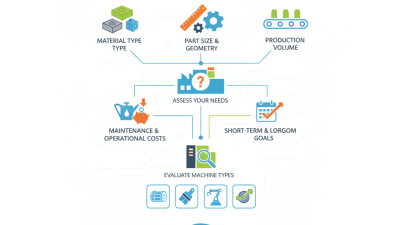
A Steel Deburring Machine serves a vital role in refining metal parts. It removes sharp edges and imperfections, ensuring safety and precision. Its advanced features streamline the deburring process, reducing the need for manual labor. However, companies must assess their specific needs before making an investment.
While these machines offer incredible benefits, they also require careful consideration. Factors like cost, maintenance, and training should not be overlooked. Not every business may need the latest technology. Potential challenges must be acknowledged to ensure a successful integration of a Steel Deburring Machine into existing operations.
Benefits of Using a Steel Deburring Machine in Manufacturing
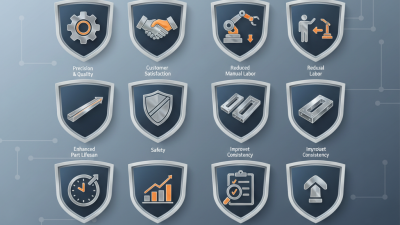
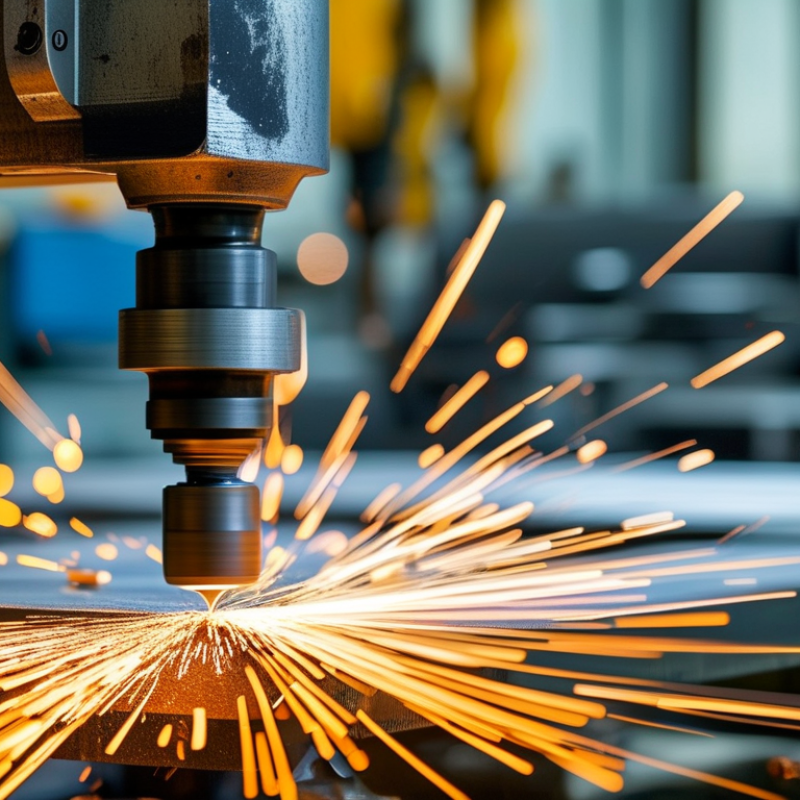
When it comes to manufacturing, efficiency is key. A steel deburring machine enhances that efficiency by providing precise finishing to metal parts. Studies show that metal parts with sharp edges can lead to assembly errors and safety issues. In fact, about 70% of manufacturing defects are related to burrs on metal components. This makes investing in a deburring machine a practical choice for businesses aiming to reduce waste and improve quality.
The benefits of using a steel deburring machine extend beyond just quality assurance. These machines can operate at speeds that surpass manual deburring. Reports indicate that automation can increase production rates by up to 50%. Furthermore, using automated deburring machines minimizes the risk of worker injuries, a concern that should not be ignored. However, the initial investment can be substantial. Companies must weigh the long-term gains against upfront costs carefully.
Implementing a steel deburring machine also requires ongoing training and maintenance. It's crucial to ensure that your team understands the machinery properly. Incorrect use can lead to subpar results, which negates any efficiency gains. Also, performance can fluctuate depending on various factors like machine settings and part types. These challenges necessitate continuous evaluation and adaptation of processes to achieve optimal results.
Benefits of Using a Steel Deburring Machine in Manufacturing
Different Types of Steel Deburring Machines Available in the Market
When it comes to steel deburring machines, the variety available can be daunting. These machines are essential in manufacturing to ensure precision and quality. The most common types include inline deburring machines, rotary deburring machines, and belt deburring machines. Each type has its own strengths and weaknesses, which manufacturers must weigh carefully.
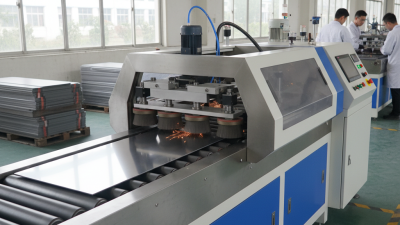
Inline deburring machines are ideal for high-volume operations, processing parts quickly. They can handle complex geometries but may sometimes struggle with heavier burrs. On the other hand, rotary machines excel in handling intricate shapes. They provide a smooth finish, yet might not match the speed of inline options. Belt deburring machines are versatile, easily accommodating various materials. They can be adjusted for thickness and pressure, but may require frequent maintenance to sustain efficiency.
According to recent industry reports, the demand for steel deburring machines is projected to grow at a CAGR of 4.5% through 2027. However, the choice of machine affects productivity and cost. It's vital to consider the specific applications to avoid over-investing in features that may not be needed. Each machine type presents unique challenges, underscoring the importance of thorough research and consultation before making a choice.
Key Features to Consider When Choosing a Steel Deburring Machine
When selecting a steel deburring machine, key features can significantly influence your manufacturing process. One important aspect is the machine's versatility. A good deburring machine can handle various shapes and sizes. This adaptability is essential in a fast-paced manufacturing environment where different projects arise frequently. Check if the machine can handle both metal and non-metal surfaces as well.
Another critical feature is the machine's efficiency. Look for models that provide consistent results quickly. Machines with adjustable speed settings can better cater to your specific needs. They allow operators to choose the optimal setting for various types of steel products. Additionally, a machine with a user-friendly interface can reduce training time and improve productivity.
Durability is also crucial. A robust design ensures the machine withstands regular use over time. Machines that require frequent repairs can disrupt productivity and increase costs. Ease of maintenance should not be overlooked. Regular upkeep should be straightforward to ensure long-term reliability. It’s essential to assess these features when choosing a steel deburring machine, as they can greatly affect your manufacturing outcomes.
Cost-Effectiveness of Steel Deburring Machines in Manufacturing Processes
Steel deburring machines bring significant cost-effectiveness to manufacturing processes. These machines reduce labor costs by automating deburring tasks. Automation minimizes human error and speeds up production. This efficiency directly influences the bottom line.
Investing in steel deburring technology can cut operating costs. Traditional methods often require multiple steps and manual oversight. Machines streamline this process, saving time and resources. Moreover, the initial investment can lead to long-term savings in repair and replacement.
While benefits are evident, it's crucial to assess needs carefully. Not all manufacturing setups will see equal returns. Regular maintenance and training are necessary to maximize efficiency. Companies should weigh the upfront costs against potential gains. This understanding fosters informed decision-making in an evolving manufacturing landscape.
Safety and Maintenance Practices for Steel Deburring Machines
When using a steel deburring machine, safety should be a top priority.
Operators must wear appropriate personal protective equipment (PPE). This includes
gloves, goggles, and ear protection. Proper PPE reduces the risk of injury from
sharp edges or loud machinery. Regular training is essential to keep staff informed about safety protocols.
Maintenance practices are crucial for performance and longevity. Daily checks should include
inspecting belts, cleaning filters, and lubricating moving parts. A clean machine runs more efficiently
and reduces the risk of breakdowns. Dirt and debris can hinder operation, so keep work areas tidy.
Tips: Schedule regular maintenance checks to prevent major issues.
Create a maintenance log to track service dates and repairs. Don't ignore strange noises; they can indicate problems.
Always consult the user manual for specific maintenance procedures tailored to your machine.