What is a Copper Deburring Machine and How Does It Work?
In the world of metalworking, precision and quality are paramount. A Copper Deburring Machine plays a crucial role in achieving this. It effectively removes burrs from edges of copper components, ensuring a smooth finish. This process enhances both the appearance and functionality of the metal parts.
Understanding how a Copper Deburring Machine operates is essential for manufacturers. These machines utilize various techniques, like mechanical brushing or abrasive wheels, to eliminate sharp edges. This not only improves safety but also ensures better assembly in subsequent production stages. However, users must be aware of potential inconsistencies in the deburring process. Factors like machine calibration and material variation can influence the final output.
Investing in a high-quality Copper Deburring Machine can significantly impact production efficiency. It streamlines the finishing process and reduces labor costs. Yet, it is vital to regularly maintain these machines to uphold their performance standards. The art of deburring goes beyond mere automation; it requires keen attention to detail and experience. In a constantly evolving industry, staying informed about best practices is key to maximizing the benefits of these machines.
What is a Copper Deburring Machine?
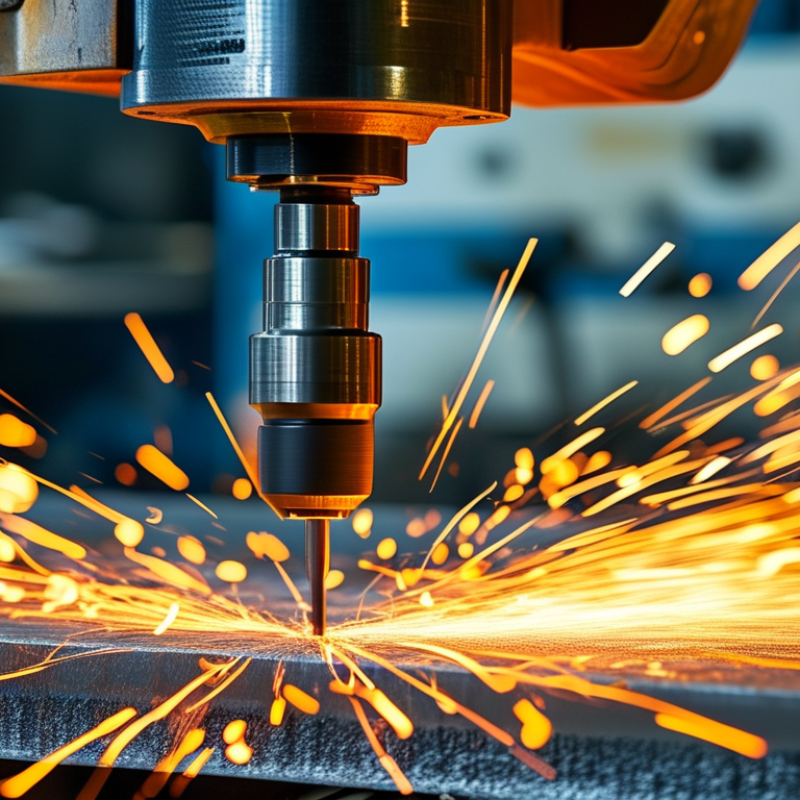
A copper deburring machine is essential in manufacturing. It removes sharp edges and burrs from copper components. Burrs can occur due to various cutting processes. These imperfections can compromise product quality and safety. Therefore, deburring is a crucial step.
Deburring machines use various methods. Some machines employ abrasive brushes, while others utilize sanding belts. These methods ensure consistent results and enhance the surface finish of copper parts. Regular maintenance of these machines is vital for optimal performance.
Tips: It is important to choose the right deburring method for your specific copper application. Analyze the type of burrs you encounter regularly. This ensures you select the most effective machine for your needs. Additionally, proper training for operators can prevent mistakes. Knowledgeable operators can navigate issues easily.
The choice of abrasive material is also worth consideration. Different abrasives yield different results. Experimenting with these combinations can improve efficiency. Be mindful that overzealous deburring can lead to unnecessary material loss. Proper calibration of machines is essential for maintaining quality while preserving copper material integrity.
Key Components of a Copper Deburring Machine
A copper deburring machine is essential for metalworking. It helps to remove sharp edges and burrs from copper parts. The key components of this machine contribute to its efficiency in achieving a smooth finish.
The cutting tools are pivotal. They can vary in shape and size, tailored to specific tasks. A well-designed tool reduces material wastage and enhances precision. The machine also features a robust conveyor system. This allows for continuous material flow, minimizing downtime during the deburring process. Operators must pay attention to tool wear; worn tools can compromise quality.
Tips: Regularly inspect cutting tools for signs of wear. Replace them promptly to maintain optimal performance. The machine’s cooling system is also vital. It prevents overheating during operation, ensuring the longevity of components.
Another component is the dust collection system. It keeps the workspace clean and safe. Dust can pose health risks. Therefore, effective collection is crucial. Maintenance of this system should not be overlooked. Neglected filters reduce airflow and efficiency.
Tips: Schedule routine maintenance checks for the dust collection system. This ensures it operates at peak effectiveness. Consider employee training on proper machine use to enhance safety and efficiency.
The Deburring Process: How It Works
The deburring process is essential in manufacturing, especially for copper components. It focuses on removing sharp edges and imperfections that can affect performance and safety. A copper deburring machine employs various techniques to achieve a smooth finish. Common methods include mechanical, chemical, and abrasive techniques that cater to different requirements.
During mechanical deburring, tools like brushes or blades are used. This approach can be fast, but sometimes it might miss hidden edges. Chemical deburring relies on solutions that eat away at burrs but requires careful handling. Abrasive techniques are effective, yet they may lead to material loss if not controlled. Operators must closely monitor the process to ensure quality without compromising the copper's integrity.
Precision is crucial in the deburring process. Inconsistencies can lead to parts that don't fit properly. Each method has its pros and cons. Effective deburring can elevate the quality of the final product but also demands constant evaluation. Even with advanced technology, achieving perfection in deburring remains a challenge. Continuous improvement and adaptation are vital in this field.
Benefits of Using a Copper Deburring Machine
Copper deburring machines play a vital role in the manufacturing process. They effectively remove burrs from copper parts, ensuring precision and quality. The removal of burrs enhances the aesthetics and functionality of products. According to a report by the Metalworking Industry Association, 30% of manufacturing defects stem from inadequate burr removal processes.
One significant benefit of using a copper deburring machine is improved operational efficiency. These machines can handle large volumes, reducing manual labor. Workers can focus on critical tasks instead of tedious burr removal. A study published in the Journal of Manufacturing Science found that automating deburring can increase throughput by 25%. This shift also leads to reduced fatigue and safer working conditions.
Cost savings are another advantage. The initial investment in a deburring machine can pay off over time through decreased scrap rates and increased product quality. However, businesses must consider maintenance costs. Some machines require more upkeep than others, which can impact budget planning. Regular training for staff is essential, as improper use can negate the benefits of these machines. Balancing efficiency with operational costs is crucial for companies aiming to maximize their production capabilities.
Benefits of Using a Copper Deburring Machine
Applications of Copper Deburring Machines in Various Industries
Copper deburring machines are essential tools in various industries, particularly in manufacturing and metalworking. These machines efficiently remove sharp edges, burrs, and imperfections from copper parts, ensuring a smooth finish and enhancing safety. A recent industry report indicates that the global metalworking machine market is expected to grow by 10% annually, demonstrating the increased demand for efficient processing solutions.
In automotive manufacturing, copper deburring machines play a pivotal role. They ensure components, such as connectors and wiring harnesses, meet the precise standards required for performance and safety. Additionally, the electronics sector benefits significantly. Removing burrs from copper circuit boards helps improve electrical conductivity and product reliability.
Tip: Regular maintenance of deburring machines can prevent breakdowns. Scheduled checks can help identify wear that affects performance. Many companies overlook this aspect, leading to costly downtimes.
In the aerospace industry, deburring processes are crucial for weight reduction. Each burr removed contributes to better fuel efficiency in aircraft operations. However, implementing these machines requires skilled operators. A lack of training programs can hinder efficiency gains. Proper investment in training can yield profitable results over time.
What is a Copper Deburring Machine and How Does It Work? - Applications of Copper Deburring Machines in Various Industries
| Industry |
Application |
Benefits of Copper Deburring |
Machine Type |
| Electronics |
Circuit Board Manufacturing |
Improved conductivity and reduced risk of shorts |
Automatic Deburring Machine |
| Automotive |
Part Manufacturing and Assembly |
Enhanced part fit and longevity |
Robotic Deburring System |
| Aerospace |
Component Finishing |
Increased safety and performance |
CNC Deburring Machine |
| Plumbing |
Pipe and Fitting Preparation |
Smooth seams and reduced leaks |
Manual Deburring Tool |
| Construction |
Metalworking and Fabrication |
Better surface quality and safety |
Belt Deburring Machine |