How to Choose the Right Surface Finishing Machine for Your Needs?
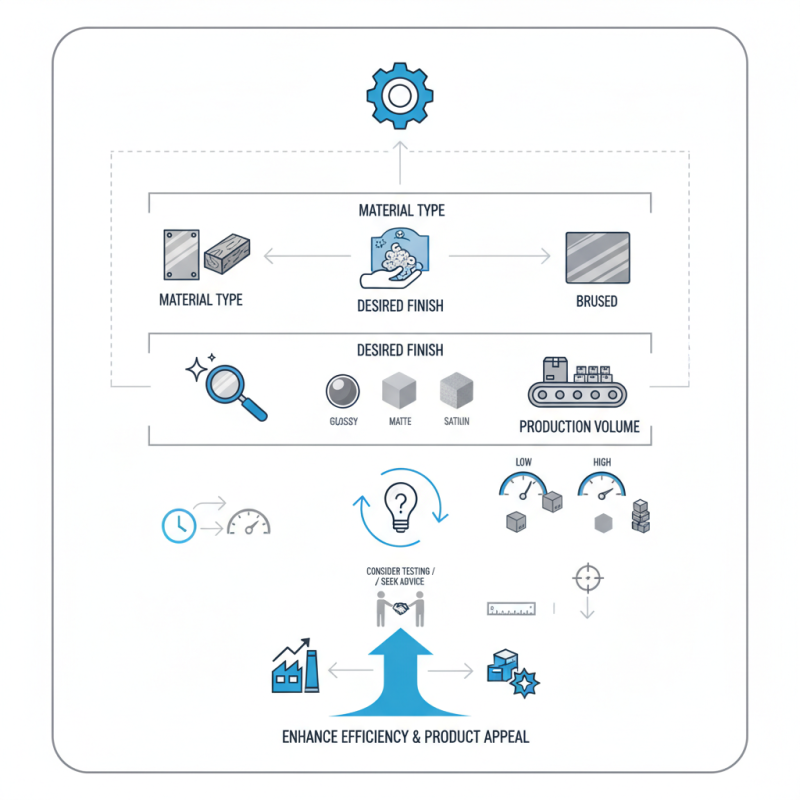
Choosing the right Surface Finishing Machine can significantly impact your production quality. This decision is often daunting due to the variety of machines available. Factors such as material type, desired finish, and production volume must be considered. Understanding these aspects leads to better outcomes.
When selecting a Surface Finishing Machine, expertise is vital. Each machine offers unique features tailored to specific needs. It's essential to analyze your requirements carefully. Not every machine suits every project. A machine may shine in one context but falter in another. Consider testing machines or seeking advice.
Reflecting on past experiences can also guide future choices. Not all buyers prioritize the same attributes. Some may favor speed, while others emphasize precision. Identifying what matters most ensures a more informed purchase. In the end, your choice should enhance efficiency and product appeal.
Understanding Surface Finishing: Definition and Importance
Surface finishing is a critical aspect of manufacturing that enhances the performance and aesthetics of products. It involves processes like polishing, coating, and grinding. According to a recent industry report, effective surface finishing can increase durability by up to 30%. This highlights its importance across various sectors, including automotive, aerospace, and electronics. Proper finishing methods ensure functionality and prevent premature wear, which can lead to costly repairs.
When selecting a surface finishing machine, consider your specific needs. Different materials and applications require different techniques. For example, a rough surface may need grinding, while a smoother finish could require polishing. Think about production volume too. Some machines are designed for high output, while others work best for precision tasks. Understanding your requirements is crucial before making a decision.
**Tip:** Always evaluate the machine's compatibility with your materials. This can prevent inefficiencies and reduce waste. Regular maintenance of your finishing machines also extends their lifespan. Testing different techniques on small batches can provide insights into what works best for your operations.
Surface Finishing Machine Types and Their Applications
Types of Surface Finishing Machines: Overview of Common Options
When selecting a surface finishing machine, it's essential to understand the types available. Common options include vibratory finishing machines, centrifugal barrel finishers, and shot peening machines. Each has unique applications and advantages. For instance, vibratory finishers are excellent for large batches and delicate parts. These machines can reduce surface roughness by up to 75% and are favored in aerospace and automotive industries.
Centrifugal barrel finishers offer fast processing for smaller parts. They can achieve high levels of finish quickly, making them efficient for tight production schedules. According to a recent industry report, these machines can increase output by 30% compared to traditional methods. However, they may not be the best choice for fragile items.
Tip: Assess the material of your workpieces. Harder materials may require specific machines designed for durability.
Shot peening machines are ideal for improving fatigue resistance. They effectively impart compressive stress on surfaces, which extends the lifespan of components. However, these machines demand careful handling and operator training. Not every manufacturer can achieve the same level of precision, which requires reflection on the chosen equipment.
Tip: Consider the operational cost. Investing in advanced machines may lead to long-term savings.
Key Factors to Consider When Selecting a Surface Finishing Machine
Choosing the right surface finishing machine is crucial for optimal manufacturing outcomes. Several key factors can guide your decision. Firstly, understanding the specific applications of the machine is essential. Different processes like polishing, grinding, or abrasive blasting have unique requirements. According to a recent industry report, nearly 30% of manufacturers compromise on machine selection due to vague applications. This decision often leads to inefficiencies.
Another vital consideration is the materials you’ll be working with. Each material responds differently to various finishing techniques. For instance, metals may require a different approach than plastics. The same report indicates that improper material matching can result in up to a 50% increase in waste. This emphasizes the necessity for thorough research before investing in equipment.
Finally, evaluate machine maintenance and support services. Consistent upkeep ensures longevity and efficiency. A lapse in maintenance could lead to machine downtime, which is costly. Remarkably, 40% of companies reported unexpected maintenance costs that derailed schedules. It's not uncommon to find that overlooked aspects of maintenance can severely impact overall productivity. Reflecting on these factors can prevent future frustrations and lead to informed choices.
Industry Metrics: Evaluating Machine Efficiency and Performance Standards
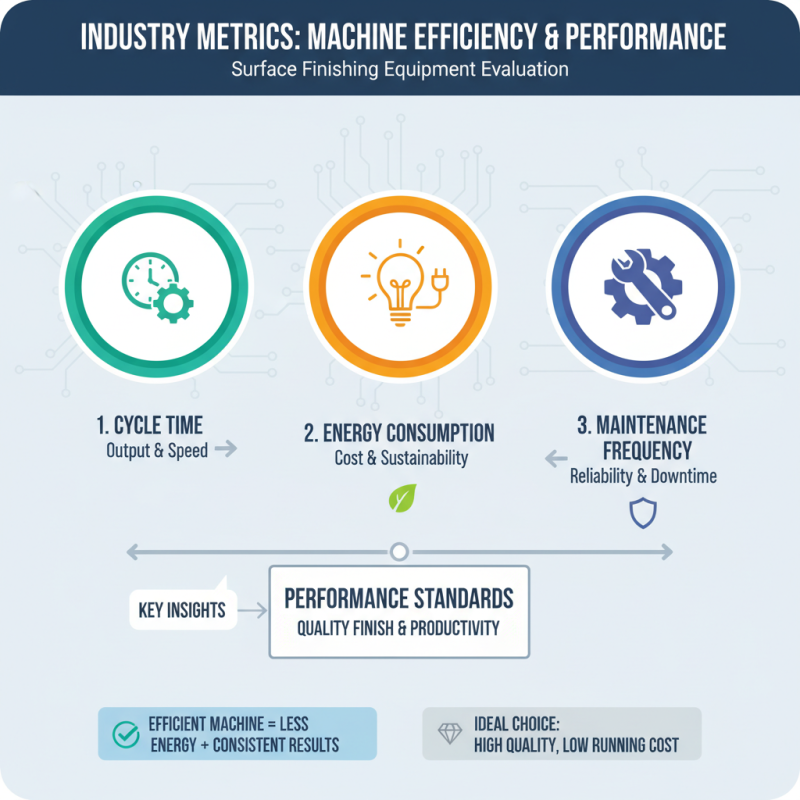
When choosing a surface finishing machine, evaluating industry metrics is crucial. Machine efficiency determines not only output but also the quality of the finish. Metrics like cycle time, energy consumption, and maintenance frequency provide insights into performance standards. A machine that uses less energy but produces consistent results may be an ideal choice.
Efficiency is not always black and white. Different materials may respond differently to various machines. For instance, a faster machine may not suit delicate materials, leading to defects. Additionally, excessive wear and tear can occur if the machine runs at peak capacity too often. Understanding the long-term implications of using machines designed for specific tasks helps in the decision-making process.
Data from past projects can guide future choices. Collecting feedback on each machine's performance will highlight strengths and weaknesses. Sometimes, what looks efficient on paper doesn't translate to real-world utility. Investing in a versatile machine might yield better results in diverse applications. Balancing immediate needs and future growth is key to making an informed decision.
Cost Analysis: Budgeting for Surface Finishing Equipment and Maintenance
Budgeting for surface finishing equipment is critical for any manufacturing operation. The average cost of a surface finishing machine can range from $10,000 to over $100,000, depending on the technology and specifications required. According to a recent industry report from the Association for Manufacturing Technology (AMT), maintenance costs can add another 10% to 15% of the initial investment annually. These numbers highlight the need for businesses to evaluate not only upfront costs but also ongoing costs.
Choosing the right machine requires considering your production volume and specific finishing requirements. For example, low-volume operations might not justify the expense of high-end machines, as they may lead to underutilization. Data from the Manufacturing Industry Statistics shows that over 40% of companies struggle with equipment that is too advanced for their needs. This can result in unnecessary expenses, limiting funds for other vital areas like training or technology upgrades.
In terms of maintenance, regular servicing is essential to avoid costly breakdowns. A well-maintained machine can last years longer than one neglected. However, many operations fail to allocate enough budget for maintenance, often spending more on repairs than would have been required for regular upkeep. Investing in employee training on proper machine handling can also mitigate risks and enhance efficiency, ensuring that every dollar spent contributes to production goals.