How to Choose the Best Metal Sheet Deburring Machines?
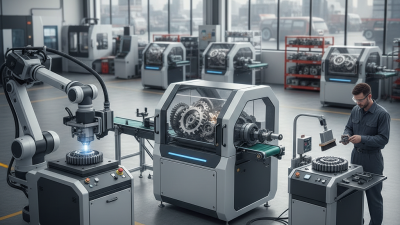
Choosing the best Metal Sheet Deburring Machines is crucial for manufacturers seeking efficiency and precision. According to the International Federation of Robotics, the metalworking industry has seen a significant increase in automation, with a reported 30% rise in demand for machinery that enhances production quality. Experts highlight that effective deburring is essential in achieving optimal surface finishes, reducing human error, and improving safety.
Dr. John Marshall, a seasoned expert in manufacturing technology, emphasizes, "Selecting the right deburring machine can significantly impact both cost and performance." This insight underscores the importance of understanding the features and capabilities of various machines. Users must consider factors such as material thickness, deburring methods, and integration with existing systems to make an informed choice.
As the market evolves, some manufacturers struggle to keep up with technology advances. Many utilize outdated machines that compromise efficiency. It is essential to weigh the pros and cons of new technology. Investing in the right Metal Sheet Deburring Machines can ultimately save time and costs, but failure to do so may lead to subpar processing and lost opportunities. An informed decision is critical in navigating this competitive landscape.
Understanding Metal Sheet Deburring Machines and Their Importance
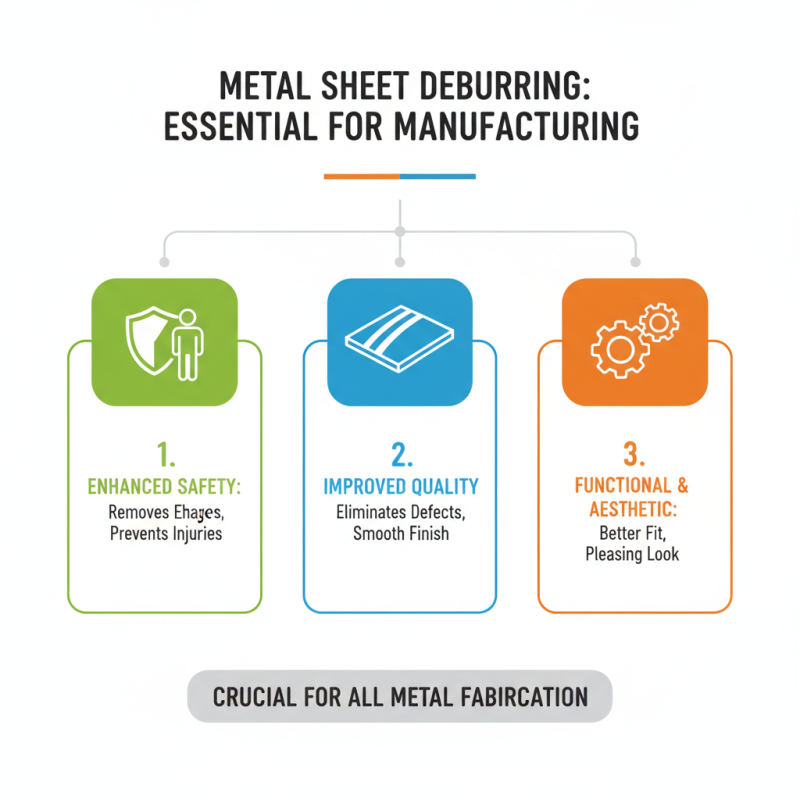
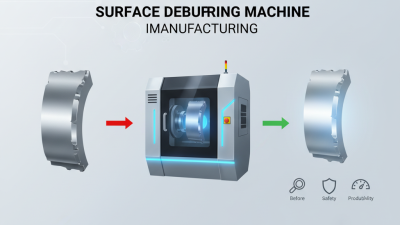
Metal sheet deburring machines play a crucial role in manufacturing. They remove sharp edges and burrs from metal sheets, enhancing safety and usability. Without proper deburring, sharp edges can cause injuries and defects in finished products. A clean edge improves the overall aesthetic and functionality.
Understanding the importance of a deburring machine means recognizing the potential pitfalls. Inadequate deburring can lead to costly rework or product failure. Different materials may require specific machines, adding complexity to the selection process. Experimenting with various machines can help identify the best fit for your needs.
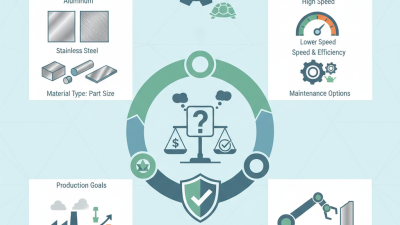
Choosing the right machine involves weighing factors like efficiency, cost, and ease of use. The right tools can significantly impact production quality and worker safety. However, not all machines perform equally well for every application. Thus, assessing specific requirements is vital for effective manufacturing.
Key Features to Consider When Selecting Deburring Machines
When choosing a metal sheet deburring machine, there are essential features to consider. The machine's power and speed will directly affect its efficiency. A robust motor ensures consistent performance, while adjustable speed settings allow for flexibility in handling various materials. Look for machines that offer different abrasive options to accommodate specific tasks.
Choosing the right size is crucial too. A compact model may fit smaller workshops but could limit processing capacity. Conversely, larger machines take up more space but can handle bigger projects. Evaluate your workshop layout and production demands before deciding.
Tips: Think about future projects. Will your chosen machine adapt well? Consider ease of maintenance. Machines with accessible parts save time and effort when repairs are needed. Also, look for safety features that protect operators during use. Investing in a reliable deburring machine ultimately enhances productivity and ensures high-quality results.
Types of Metal Sheet Deburring Machines and Their Applications
Choosing the right metal sheet deburring machine requires understanding its types and applications.
Deburring machines are essential for removing sharp edges from metal sheets, enhancing safety and product quality.
There are three primary types: mechanical, chemical, and thermal deburring machines, each suitable for different applications.
Mechanical deburring machines are highly effective for high-volume production.
They use abrasive materials to remove burrs quickly. This method suits industries like automotive and aerospace, where precision is critical.
A report by the Fabrication and Metalworking Association states that over 60% of manufacturers prefer mechanical methods due to their efficiency.
However, noise and dust generation can be drawbacks that require consideration.
Chemical deburring, using corrosive solutions, offers a delicate alternative.
It gently removes burrs without affecting the metal's integrity. This type is ideal for intricate designs, often used in medical device manufacturing.
Thermal deburring employs heat to remove burrs in a controlled environment.
While effective, it is more costly and requires careful handling. Each machine has its challenges and may require specific safety protocols.
Understanding these types and their suitable applications ensures better decision-making in metal processing.
Evaluating Performance and Efficiency in Deburring Processes
Choosing the right metal sheet deburring machine is crucial for improving efficiency. A recent study shows that nearly 70% of manufacturers report time losses due to ineffective deburring processes. This highlights the importance of selecting a machine that not only reduces burrs but also enhances productivity.
When evaluating performance, consider the machine's speed and the type of deburring it offers. Machines that operate at higher RPMs can increase throughput. However, excessive speed may lead to uneven finishes. Finding a balance is essential. Some machines use advanced technologies, like robotic arms, to automate the deburring process, but this can require significant upfront investment.
Another vital factor is energy consumption. Research indicates that optimized machines can reduce energy costs by up to 25%. However, not all models will provide this efficiency. It's essential to analyze the power ratings and operational efficiency of each machine. A machine that uses more energy may not be the best choice in the long run. Ensuring reliability and low maintenance should also be a priority. These elements collectively contribute to a machine’s overall effectiveness in the deburring process.
Performance Comparison of Metal Sheet Deburring Machines
Maintenance and Care Tips for Longevity of Deburring Machines
Maintaining your metal sheet deburring machine is essential for its longevity. Proper care not only extends the life of the equipment but also ensures optimal performance. Regular cleaning is crucial. Dust and debris can accumulate and affect the machine's efficiency. Make it a habit to clean after each use, focusing on hard-to-reach areas.
Inspect the components frequently. Look for wear and tear, especially on blades and belts. Replacing worn parts promptly can prevent larger issues later. Pay attention to the motor and bearings; they often show early signs of trouble. Use lubricant as recommended to keep moving parts functioning smoothly.
Here are some maintenance tips:
- Schedule regular professional inspections.
- Keep a log of maintenance activities.
- Store the machine in a dry environment.
Remember, attention to detail in maintenance will pay off in the long run. Avoid neglecting the smaller tasks, as they can lead to significant problems down the line. Always keep learning about ways to improve care for your machine.