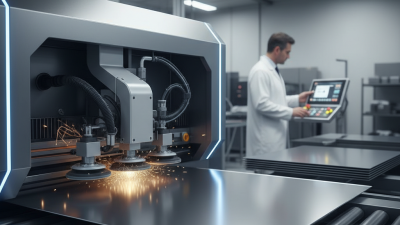
2026 Best Sheet Metal Grinding Machine Options for Precision and Efficiency?
In modern manufacturing, precision and efficiency are paramount. The sheet metal grinding machine plays a crucial role in achieving these goals. As industries evolve, so do the machines we rely on. Choosing the right grinding machine can significantly impact production quality.
Many options exist, but not all are created equal. Factors like durability, power, and usability must be evaluated carefully. Investing in the ideal sheet metal grinding machine often requires reflection on specific needs and potential challenges. Each option presents varying capabilities, which can confuse even experienced professionals.
Understanding the industry's demands is key. Feedback from operators highlights the importance of adaptability in grinding machines. The best solutions balance performance with user-friendliness. As technology advances, staying informed fosters better decision-making. In the quest for precision, the right machine is indispensable.
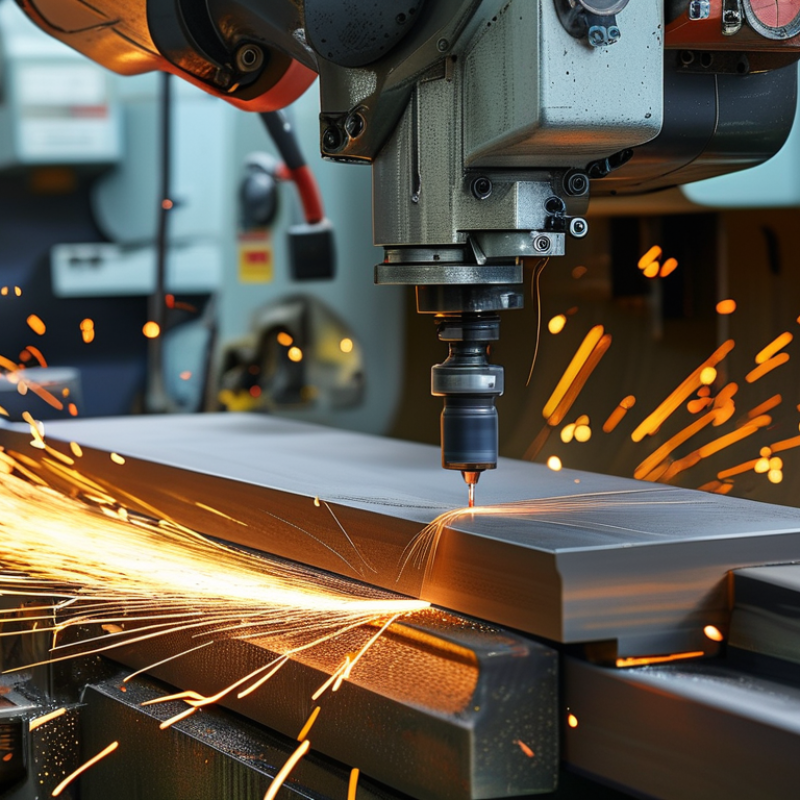
Overview of Sheet Metal Grinding Machines in 2026
Sheet metal grinding machines play a crucial role in modern manufacturing. In 2026, precision and efficiency are more important than ever. These machines are designed to enhance surface finish and dimensional accuracy. Choosing the right machine can significantly improve production quality and reduce waste.
Innovations in technology have increased the speed and precision of grinding machines. Many now feature advanced control systems. These systems help operators achieve better results with less manual intervention. However, some machines may require extensive training. This highlights the importance of skilled operators in maximizing efficiency.
Although many options exist, not every machine suits every need. The specifics of projects can dictate which features are essential. It's vital to carefully evaluate the workload and materials before selecting a machine. Balancing cost with performance may also pose a challenge. Some equipment may be affordable but lack durability, leading to higher long-term costs.
Key Features to Look for in Precision Grinding Machines
When selecting a precision grinding machine, certain key features significantly enhance performance. Consider the power output. Machines with higher torque provide better material removal rates. A study by the Metalworking Manufacturing & Production Magazine shows that machines exceeding 10 horsepower can yield 20% more productivity. Precision in performance is critical.
Another feature to look for is the grinding wheel's size and type. Larger wheels can handle bigger workpieces. Meanwhile, a diamond wheel offers superior durability. Not all machines accommodate various wheel types equally; it's essential to analyze compatibility before purchase. The range of grinding speeds is also vital. Machines supporting multiple speeds adapt better to different materials.
Tips: Always evaluate the machine’s vibration levels. Excessive vibrations can lead to subpar finishes and tool wear. Regular maintenance is essential to ensure longevity and efficiency. Consideration of these aspects can help achieve desired results and improve overall output quality. A cheaper machine may result in more frequent breakdowns, increasing total costs. Investing in quality upfront may save money in the long run.
2026 Best Sheet Metal Grinding Machine Options for Precision and Efficiency
| Model |
Grinding Wheel Size (inches) |
Motor Power (HP) |
Max Grinding Speed (RPM) |
Precision Level (µm) |
Weight (lbs) |
| Model A |
12 |
10 |
3600 |
5 |
400 |
| Model B |
10 |
7.5 |
3000 |
3 |
350 |
| Model C |
14 |
12 |
4000 |
2 |
600 |
| Model D |
8 |
5 |
2500 |
7 |
300 |
| Model E |
16 |
15 |
4500 |
1 |
800 |
Comparison of Different Grinding Technologies and Techniques
When considering sheet metal grinding technologies, several techniques stand out for their precision and efficiency. Abrasive grinding remains a staple in the industry. Reports indicate that it accounts for approximately 60% of the grinding market due to its ability to deliver fine finishes. However, this process can sometimes lead to overheating, which necessitates careful monitoring to avoid warping.
Another emerging technology is the use of CBN (Cubic Boron Nitride) wheels. These wheels have shown to last significantly longer than traditional ones, reducing downtime for wheel changes. Surprisingly, they are increasing in popularity, with a projected growth rate of 8% annually. Yet, the initial investment can be high, which is a consideration for many businesses.
Tips: Ensure proper cooling when grinding to extend the life of your tools. A well-maintained machine will always outperform a neglected one. Regular training for operators can also reduce mistakes and increase safety. Finding the right balance between cost and performance is essential for long-term efficiency.
Top Recommended Brands for Efficient Sheet Metal Grinding
In the fast-evolving landscape of sheet metal processing, the right grinding machine is crucial for precision. Recent industry reports indicate that the demand for efficient grinding solutions is increasing by 5% annually. Companies are seeking options that enhance productivity while ensuring high-quality finishes.
Several brands emerge as standouts in the sheet metal grinding machine market. Their devices often feature advanced technology aimed at reducing cycle times. The best machines incorporate automatic feed mechanisms and smart controls, streamlining operations. Users report a noticeable decrease in error rates with such innovations.
However, many companies still struggle with machine selection. Some opt for lower-priced options, only to find limitations in performance. Such choices can lead to increased downtime, prompting the need for reevaluation. Efficiency in grinding is not just about the machinery itself; it also encompasses operator training and workflow integration. Balancing these aspects is key for achieving optimal results.
Future Trends in Sheet Metal Grinding Machine Development
The future of sheet metal grinding machines is set to evolve significantly. Advanced technologies are reshaping the landscape, emphasizing precision over everything. Machines equipped with AI will soon adapt to different materials. This will optimize grinding processes, enhancing accuracy and efficiency. With real-time monitoring, manufacturers will make informed adjustments quickly. However, this reliance on technology raises questions. Can machines fully replace human expertise?
In addition, sustainability is becoming a central theme. Manufacturers are exploring eco-friendly materials and processes. This shift often demands new designs and engineering challenges. While some improvements have been made, inconsistencies remain across various machine types. Stakeholders must encourage greater research and development. Despite the push for innovation, many machines still struggle with uniformity in performance.
Moreover, the demand for customization is higher than ever. Clients seek tailored solutions for specific applications. This personalization can compromise efficiency if not executed well. Ensuring a balance between customization and best practices in production is essential. Industry leaders must remain vigilant, addressing these evolving needs while refining existing technologies. This is an ongoing journey of adaptation and learning, where mistakes pave the way for progress.