What is a Metal Buffing Machine and How Does it Work?
In the realm of metalworking, Metal Buffing Machines play a crucial role. These machines enhance the shine and finish of various metal surfaces. As John Smith, an industry expert, aptly stated, “The right equipment transforms dull metal into a dazzling finish.” Metal Buffing Machines are essential for achieving this transformation.
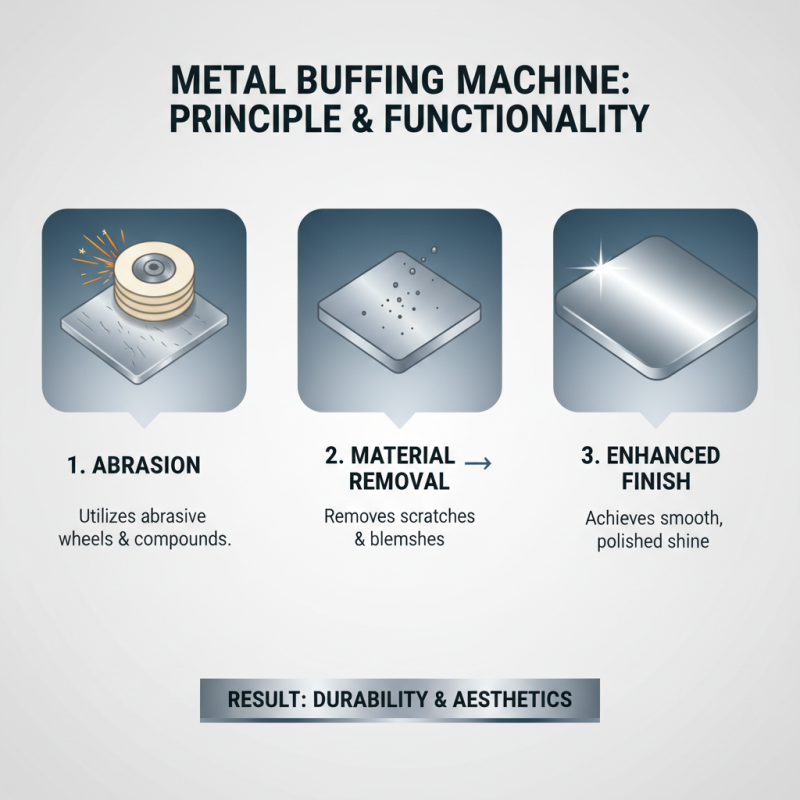
When we consider their operation, Metal Buffing Machines utilize abrasive wheels and compounds. They work by gradually polishing the metal surface, removing imperfections. This process adds both aesthetic value and protection to the metal. However, not all machines deliver the same results. Quality and precision vary widely in the market.
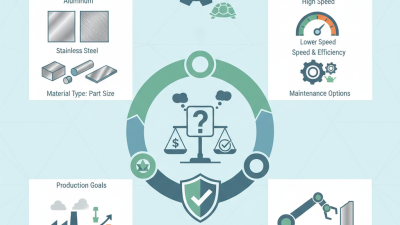
Choosing the right Metal Buffing Machine can be daunting. It's important to assess your specific needs. Sometimes, a less expensive machine may not provide the desired finish. Taking time to research different options is crucial. A poor decision can lead to wasted materials and effort.
What is a Metal Buffing Machine?
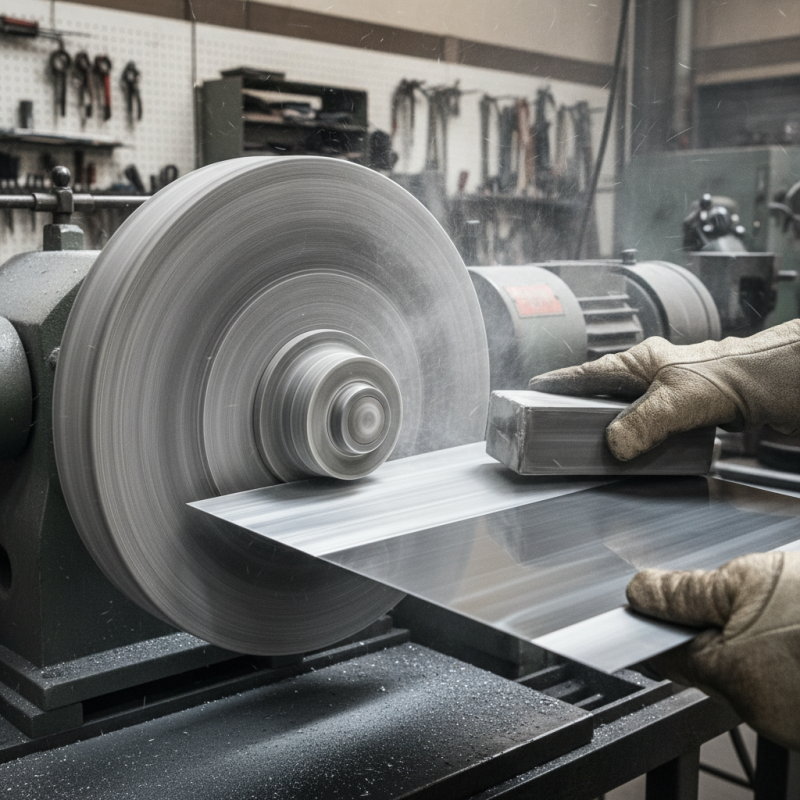
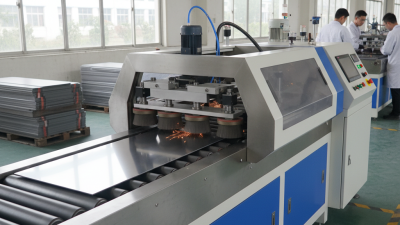
A metal buffing machine is a vital tool in the metalworking industry. It enhances the surface finish of metal objects, making them shine and appear more polished. This machine employs the use of abrasive pads and compounds to achieve a smooth surface. The process involves high-speed rotation, which allows for effective removal of imperfections. According to the Metal Finishing Association, over 40% of manufacturers use buffing in their production processes to meet customer expectations for quality.
Metal buffing machines come in various sizes and configurations. They can be found in small workshops as well as large manufacturing facilities. A study by Industry Research states that the global buffing machine market is projected to reach $1.2 billion by 2025. This underscores the growing importance of surface finishing in manufacturing. However, challenges exist. Proper calibration and technique are crucial to avoid overheating or damaging the metal workpiece during buffing.
The operation of these machines requires skilled personnel. Training is essential to ensure effective and safe usage. Many operators face a learning curve due to the intricacies involved. Poor technique can lead to inconsistencies in the final finish. It’s important for companies to invest in ongoing training and supervision to address these issues.
What is a Metal Buffing Machine and How Does it Work?
| Feature |
Description |
| Definition |
A metal buffing machine is a device used to polish and smooth the surface of metal objects. |
| Working Principle |
It works by rotating buffing wheels that apply abrasive compounds to the metal surface. |
| Applications |
Used in automotive, manufacturing, and jewelry industries for a polished finish. |
| Benefits |
Enhances surface appearance, improves corrosion resistance, and increases value of metal objects. |
| Types of Buffing Machines |
Includes bench buffing machines, portable buffing machines, and automated systems. |
| Safety Tips |
Always wear safety goggles, keep hands clear of moving parts, and ensure proper ventilation. |
Key Components of a Metal Buffing Machine
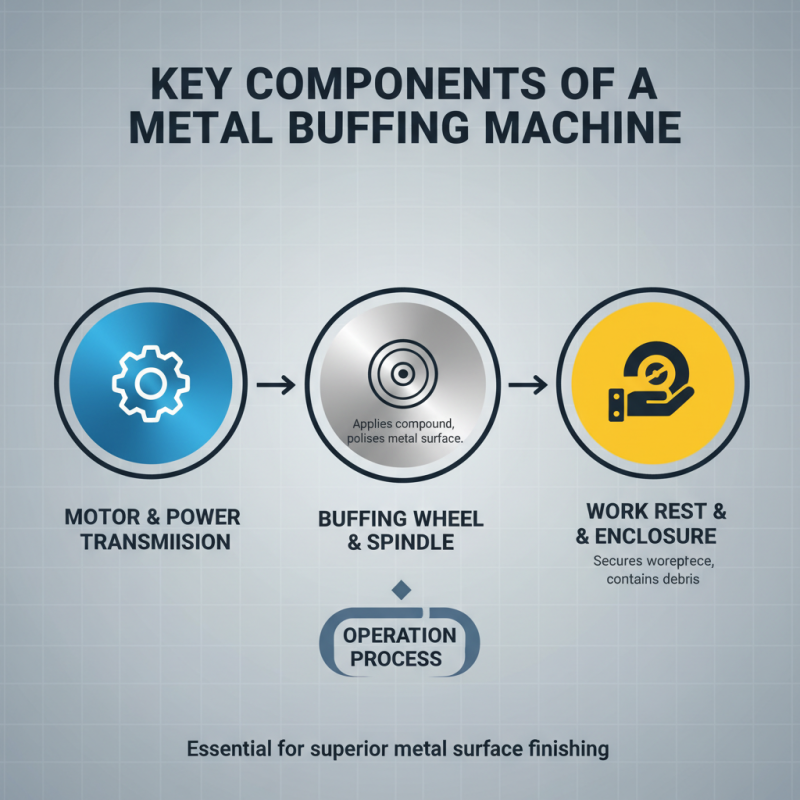
Metal buffing machines are essential tools in metalworking. They improve the appearance and surface finish of various metal products. Understanding their key components is vital for mastering their operation.
The main parts of a metal buffing machine include motors, spindles, and buffing wheels. The motor drives the spindle, which rotates the buffing wheel. This wheel is usually made of a soft material, like cotton or felt, designed to polish the metal surface. Reports from the Metal Processing Journal indicate that proper wheel selection can improve polishing efficiency by up to 30%.
Another significant component is the buffing compound used on the wheels. These compounds come in various abrasiveness levels. The right choice can greatly impact the quality of the final finish. Industry data shows that polish quality can vary as much as 50% based on the compound used. The machine must be properly calibrated to avoid common issues like uneven polishing or excessive heat generation. Regular maintenance of key components ensures longevity and consistent performance.
Principle of Operation and Functionality
A metal buffing machine is an essential tool for achieving a smooth, polished finish on various metal surfaces. It operates by utilizing abrasive materials, like buffing wheels and compounds, to remove scratches and blemishes. This process enhances the metal's shine and extends its lifespan.
During operation, the machine’s motor spins the buffing wheel at high speeds. The metal piece is held against the wheel, allowing the abrasives to grind down imperfections. This method is not limited to a single type of metal; it can be effective on steel, aluminum, and brass. To achieve the best results, proper technique is vital.
Tips: Always ensure the metal surface is clean before buffing. This prevents dirt from scratching the surface during the process. It can be tempting to apply excessive pressure for faster results, but this often leads to uneven finishes or even damage.
When using a buffing machine, safety is paramount. Protective eyewear and gloves should always be worn. It’s easy to overlook these basics, but they are crucial in preventing injuries. Regular maintenance of the equipment ensures optimal performance as well; a well-maintained machine is more reliable and effective.
Types of Buffing Machines and Their Uses
Buffing machines come in various types, each serving distinct purposes in metalworking. Orbital buffing machines are popular for their versatility and ease of use. They operate with a circular motion, which helps achieve a smooth finish on flat and curved surfaces. According to industry reports, around 40% of metalworkers prefer orbital machines for home and small-scale projects.
Belt buffing machines are another common type. They use a continuous loop of abrasive material, making them ideal for larger surfaces. These machines can remove rust and imperfections effectively. Many professionals report that they increase productivity by up to 30% compared to hand polishing.
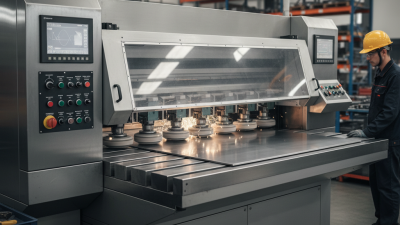
Some machines are designed specifically for polishing metals like stainless steel, aluminium, and brass. These machines often feature variable speeds to match the needs of different materials. However, achieving a perfect finish can be challenging and often requires practice. Users frequently encounter issues like uneven surfaces or excessive heat, leading to burns on metals. This highlights the importance of training and ongoing learning in the use of buffing machines to ensure optimal results.
Types of Buffing Machines and Their Uses
Maintenance Tips for Metal Buffing Machines
Metal buffing machines are essential for achieving a polished finish on metal surfaces. Proper maintenance of these machines is crucial for optimal performance and longevity. Regular upkeep helps reduce the risk of breakdowns and ensures consistent output quality.
One important tip is to routinely inspect the buffing wheels for wear and tear. Over time, the wheels can become uneven, impacting their efficiency. Replace them when they start to show signs of fraying. Additionally, it's advisable to clean the machine after each use. Accumulated debris can cause uneven polishing and lead to costly repairs. Reports indicate that regular cleaning can enhance the machine's lifespan by up to 30%.
Lubrication of moving parts is another key aspect. Ensure that bearings and other components are properly lubricated. This minimizes friction and prevents overheating, a common problem in metal buffing machines. It's recommended to use high-quality lubricants for better protection. Remember, overlooked maintenance can lead to unexpected failures, resulting in more extensive downtime. Always prioritize a structured maintenance schedule to keep your metal buffing machine in top condition.