2026 Top Sheet Metal Grinding Machine Buying Guide?
In the competitive landscape of manufacturing, selecting the right Sheet Metal Grinding Machine is crucial. According to a recent industry report by MarketsandMarkets, the global sheet metal processing market is projected to reach $230 billion by 2026. This growth highlights the increasing demand for efficient and precise metalworking equipment. As industries evolve, understanding the latest technologies and trends becomes essential for making informed purchasing decisions.
Quality and performance vary significantly among different models of Sheet Metal Grinding Machines. Factors such as motor power, grinding technology, and material compatibility affect their effectiveness. For instance, machines equipped with advanced CNC controls offer precision and consistency that older models lack. However, many buyers overlook maintenance and operation costs, which can lead to unexpected expenses down the line.
Investing in the right machine requires a thoughtful approach. Researching brands, reading reviews, and considering warranty options can improve outcomes. Nevertheless, buyers often focus solely on initial cost, neglecting the long-term benefits of investing in quality. A balanced evaluation of price, performance, and support is vital for making a wise choice in today’s fast-paced manufacturing environment.
Understanding the Importance of Sheet Metal Grinding Machines in 2026
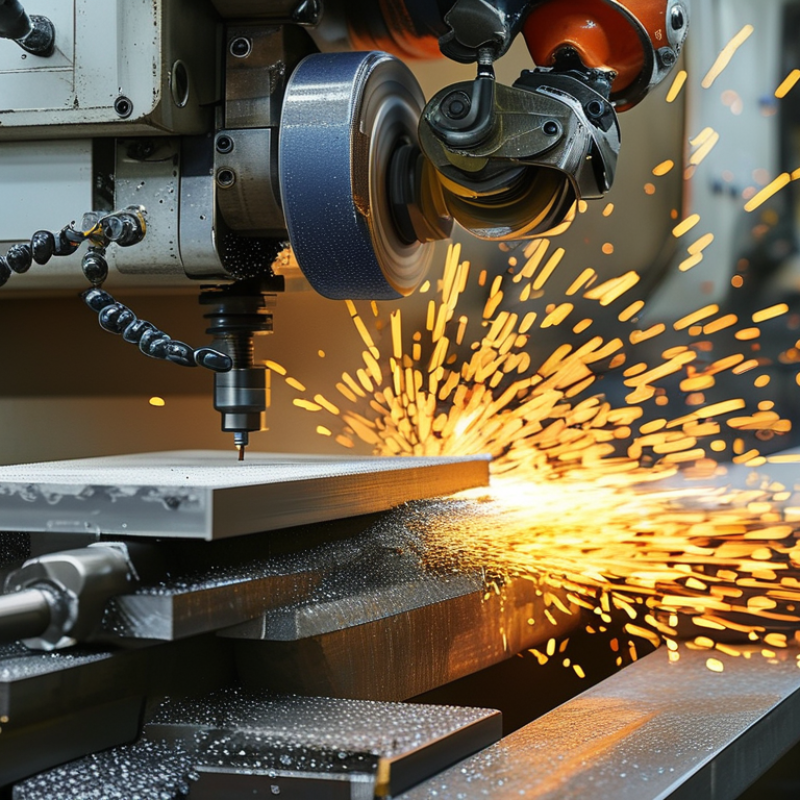
In 2026, sheet metal grinding machines are vital for precision manufacturing. These machines significantly enhance surface quality and material durability. According to recent industry reports, the demand for sheet metal processing is expected to grow by over 8% annually. This reflects the increasing complexity of designs in various industries, including automotive and aerospace.
Efficiency is key when selecting a grinding machine. Look for features that reduce setup times, such as automatic adjustments. When you choose wisely, you ensure better productivity. Maintenance is equally important. Regular checks can prevent costly breakdowns. Neglecting maintenance can lead to inconsistent quality and higher operational costs.
Investing in advanced technology may seem daunting. It is crucial to balance cost and efficiency. Some companies may rush into purchasing the latest models without assessing their specific needs. This can lead to underutilization of equipment. Understanding your operations allows for more strategic investments. Educating your team on new technologies can also help achieve better integration into your workflow.
Key Features to Consider When Buying a Sheet Metal Grinding Machine
When selecting a sheet metal grinding machine, several key features demand careful consideration. One crucial aspect is power and motor efficiency. Machines with a higher horsepower tend to grind materials faster and more effectively, which can enhance productivity. Additionally, pay attention to the motor's durability. Machines with robust motors are less likely to suffer breakdowns.
Another important factor is the machine's versatility. Models designed for various grinding applications can save time and costs. Look for machines with adjustable settings. This feature allows operators to fine-tune the grinding process, leading to better finish quality.
Finally, consider the ease of use and maintenance. Machines that are complicated can lead to frustration. If a machine is user-friendly, training new staff becomes easier. However, remember that even the best machines require maintenance. Regular service keeps them running smoothly. A reliable machine ensures longevity, but operators should be prepared for upkeep challenges.
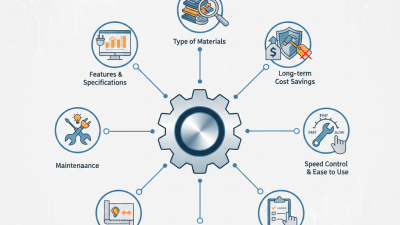
2026 Sheet Metal Grinding Machine Features Comparison
Analyzing Cost vs. Performance: Choosing the Right Grinding Machine
When selecting a sheet metal grinding machine, understanding the balance between cost and performance is crucial. Lower-priced machines may save you money upfront. However, they often come with limitations. These machines might lack durability or efficiency. Investing in a higher-end model could yield better results in the long run. Consider the materials you'll work with. Some machines handle specific metal types better than others.
Performance metrics like speed, power, and precision matter. A machine with a higher RPM (revolutions per minute) may grind faster. However, this could lead to overheating issues. Reliability is another key factor. You want a machine that can consistently perform over time. Maintenance costs should also be included in your budget. Cheaper machines might require more frequent repairs, negating initial savings. Evaluating your specific needs will help ensure you make a wise choice.
Evaluating Top Brands and Models in the Sheet Metal Grinding Machine Market
When evaluating top brands and models in the sheet metal grinding machine market, it's vital to understand specific features. Look for machines with adjustable speeds. This flexibility enhances control during grinding tasks. Adjustable speed settings accommodate various materials, ensuring a cleaner finish.
Tips: Always check the machine's warranty. A longer warranty often indicates robust construction. Additionally, consider machines with good customer reviews. User feedback can guide your decision effectively.
Another key aspect is the machine's design. A compact design often means easier maneuverability. However, ensure that compact size doesn’t compromise stability. Some smaller machines can vibrate excessively, leading to poor results. Examine the weight distribution and base structure.
Tips: Test the machine personally, if possible. Hands-on experience helps you assess comfort and usability. Don’t overlook customer support services. Knowing you have reliable support enhances purchasing confidence.
2026 Top Sheet Metal Grinding Machine Buying Guide
| Model |
Power (HP) |
Belt Speed (m/s) |
Weight (kg) |
Price Range (USD) |
| Model A |
5 |
15 |
120 |
$2,000 - $2,500 |
| Model B |
10 |
20 |
150 |
$3,500 - $4,000 |
| Model C |
7.5 |
18 |
130 |
$2,800 - $3,200 |
| Model D |
12 |
25 |
180 |
$4,500 - $5,000 |
Recent Innovations in Grinding Technology for Sheet Metal Fabrication
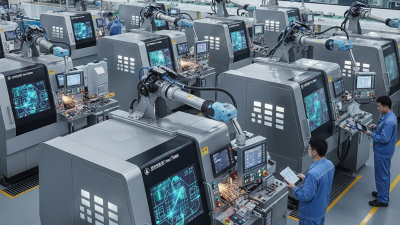
Advancements in grinding technology are shaping the future of sheet metal fabrication. Recently, innovations have emerged that enhance precision and efficiency. One notable development is the integration of automation in grinding machines. This technology reduces human error and boosts production rates. Machines can now operate with minimal oversight, ensuring consistent results.
Another significant trend is the use of advanced abrasives. These materials grant better durability and performance. They facilitate smoother finishes and faster processing times. Additionally, the incorporation of smart sensors allows for real-time monitoring. This ensures machines adjust parameters based on material conditions, enhancing overall functionality.
Potential buyers should also note that while technology improves, machine complexity increases. Understanding these new systems may require more training. Workers need to adapt to new features. Companies might find it challenging to keep up with rapid technological changes. Balancing innovation and ease of use is key for effective implementation. Investing in training programs could mitigate these issues.