Top Rust Removal Grinding Machine Techniques for Effective Surface Cleaning?
The rust removal industry is rapidly evolving, driven by innovations in grinding machine technology. Effective surface cleaning is vital for industries reliant on metal components. According to a recent report by the Metal Finishing Association, the demand for rust removal solutions is projected to increase by 15% annually over the next five years. This highlights the importance of efficient rust removal grinding machines in maintaining equipment and extending asset lifespan.
Expert John Smith, a leading authority in surface preparation technologies, emphasizes, "Investing in advanced rust removal grinding machines can significantly increase overall productivity." His insights reflect the industry's growing recognition of the need for specialized equipment to tackle rust effectively. However, many manufacturers still struggle to implement these techniques consistently, resulting in uneven cleaning results.
Despite advancements, challenges persist in achieving optimal results. Operators often face difficulties in selecting the right tools and methods. Some machines may not cater to specific applications, leading to underperformance or damage to surfaces. Continuous training and evaluation of grinding techniques remain essential. Addressing these gaps will ultimately enhance the reliability of rust removal grinding machines across various sectors.
Understanding Rust Removal Grinding Machines and Their Components
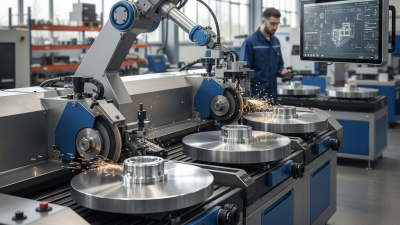
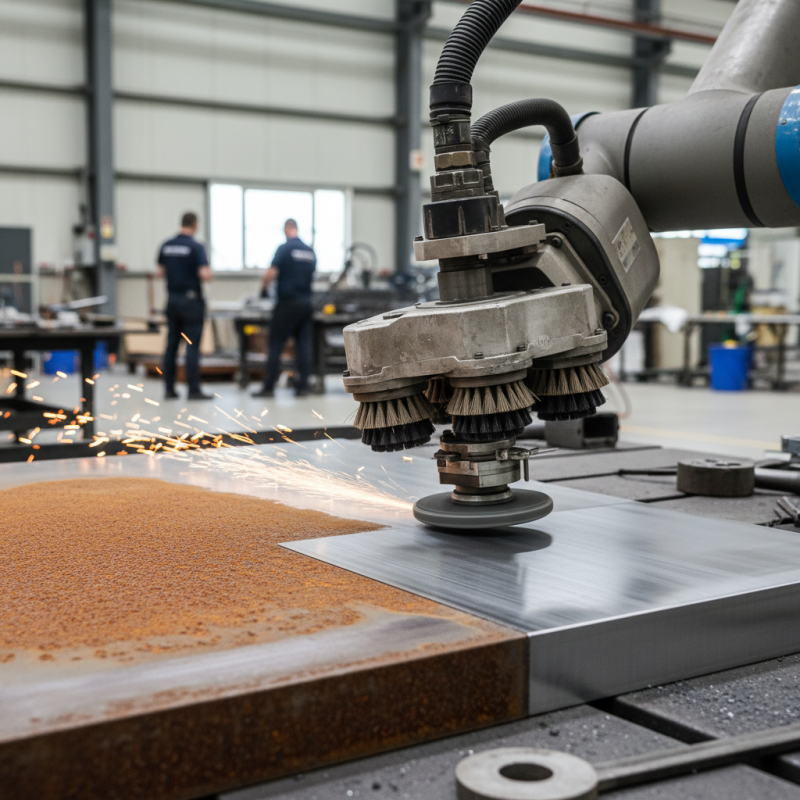
Rust removal grinding machines are essential for effective surface cleaning in various industries. These machines typically consist of components like powerful motors, abrasive wheels, and adjustable grinding speeds. According to a report by the International Journal of Surface Engineering, over 70% of industrial rust removal tasks benefit from the use of grinding machines. This statistic highlights their importance in maintaining equipment and prolonging the lifespan of metals.
In practice, these machines offer versatility in their applications. Depending on the type of rust and surface material, operators must choose the right abrasive material. For softer metals, using finer grit wheels proves beneficial. Conversely, harder surfaces may require coarser grit options to achieve desired results. Misjudgment in selecting these abrasives can lead to surface damage or ineffective rust removal. Data from industry studies indicate that improper grinding can result in a 30% reduction in surface integrity, showcasing the need for careful consideration.
Operators must also be aware of safety standards. Personal protective equipment is vital to prevent injuries. Dust generated during grinding can cause respiratory issues if not adequately managed. Reports suggest that oversight in safety can lead to incidents, causing workplace disruptions. Thus, while rust removal grinding machines are powerful tools, a thorough understanding of their components and careful operational practices are crucial for maximizing effectiveness and minimizing risks.
Key Techniques for Effective Surface Cleaning in Rust Removal
Rust removal is a demanding task. The right techniques can make a significant difference in surface cleaning. One key method is the use of grinding machines equipped with various abrasive wheels. These wheels come in different grits. Coarser grits effectively eliminate heavy rust, while finer grits provide a smoother finish. Choosing the right grit is crucial for the desired result.
Another essential technique is controlling the pressure applied during grinding. Too much pressure can create grooves, which are hard to fix. Applying consistent pressure helps achieve an even surface. Additionally, adjusting the machine's speed can enhance effectiveness. A slower speed often allows for better control, reducing the chances of damaging the underlying material.
Brushes and blasting tools complement grinding techniques well. A wire brush can clean tight corners that machines may miss. Blasting can cover larger areas rapidly. However, both methods require careful application. Improper use can lead to surface pitting, resulting in more harm than good. Learning these nuances takes experience, but the results can be rewarding. Understanding these techniques can lead to more effective rust removal and surface cleaning.
Top Rust Removal Grinding Machine Techniques for Effective Surface Cleaning
| Technique |
Description |
Effectiveness |
Recommended Use |
| Abrasive Grinding |
Uses abrasive wheels to grind away rust. |
High |
Heavily rusted surfaces |
| Flap Discs |
Combination of grinding and finishing in one step. |
Moderate |
For surface preparation |
| Wire Brushes |
Removes rust through bristle action. |
Moderate to High |
Curved or textured surfaces |
| Sanding |
Uses sandpaper for a smooth finish. |
Moderate |
Final surface finishing |
| Chemical Stripping |
Uses chemical agents to dissolve rust. |
High |
Intricate designs |
Safety Precautions When Operating Grinding Machines for Rust Removal
When operating grinding machines for rust removal, safety precautions are crucial. The grinding process generates intense heat and metal shards. Wearing appropriate personal protective equipment (PPE) is necessary. This includes safety goggles, gloves, and a dust mask. A report by the National Safety Council notes that nearly 13% of workplace injuries are related to machines. Ensuring a safe working environment can significantly reduce these risks.
Proper machine setup and maintenance are vital. Machines should be inspected regularly, focusing on grinding wheels and guards. According to the American National Standards Institute (ANSI), 70% of grinding accidents occur due to improper equipment handling. Operators should be trained in both machine use and safety protocols. This training can prevent mishaps in a workshop setting.
Communication plays a significant role in safety. Clear signals and discussions about safety practices create a safer workspace. Noise from grinding machines can impede conversations, making it hard to communicate hazards. A well-documented safety plan addressing these concerns can enhance team awareness and accountability. Operators must remain vigilant and proactive in addressing potential hazards. Ignoring safety guidelines opens the door to preventable accidents.
Comparative Analysis of Grinding Techniques for Different Surfaces
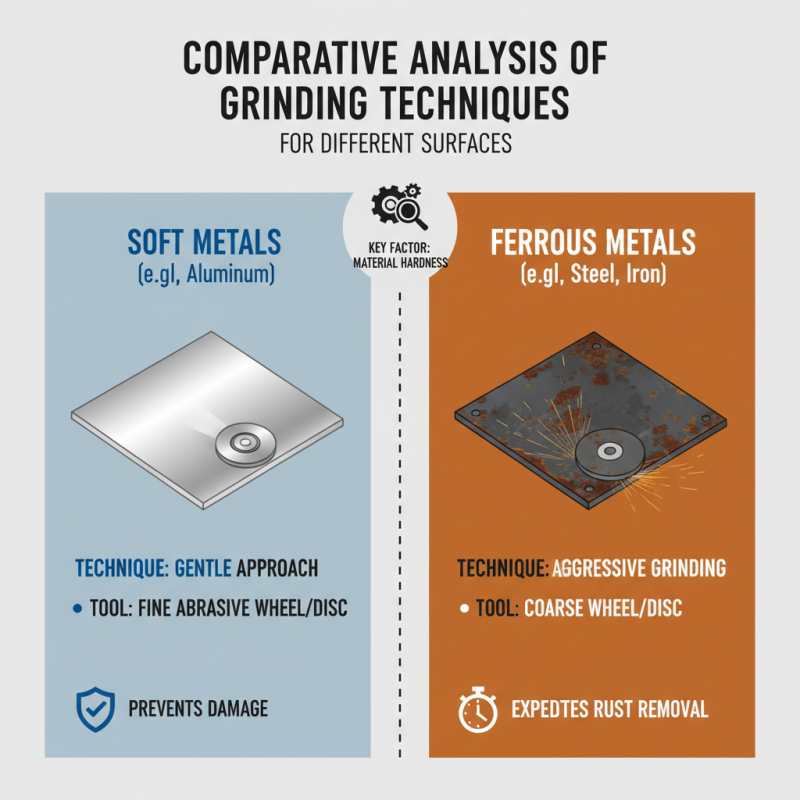
When tackling rust removal, choosing the right grinding technique is vital. Different surfaces react uniquely to various methods. For instance, a soft metal like aluminum requires a gentler approach. A fine abrasive wheel can help prevent damage. In contrast, ferrous metals tolerate more aggressive grinding. Coarse wheels or discs can expedite rust removal without risking surface integrity.
Surface preparation after grinding is often overlooked. This stage is crucial in achieving a smooth finish. For example, after employing a heavy-duty grinding technique, it's wise to follow up with a finer abrasive. This ensures that scratches left by coarse grinding are minimized. Keeping the workspace clean is essential. Rust particles can easily contaminate treated areas if not managed properly.
It's important to consider the potential risks with each grinding method. Using too much pressure can lead to uneven surfaces. Operators should regularly clean their tools to avoid cross-contamination. The effectiveness of a technique often depends on the user’s experience and skill level. Continuous learning and adaptation are key to refining these techniques.
Maintenance Practices to Enhance the Efficiency of Grinding Machines
Maintaining grinding machines is crucial for optimal rust removal. Regular maintenance can lead to significant efficiency gains. According to a recent industry report, effective upkeep can improve machine productivity by 25%. Rust removal requires the right techniques, but the machines themselves need attention too.
One key area is the inspection of grinding components. Operators should check for wear, misalignment, and debris accumulation. For instance, a worn-out wheel can cause uneven surface finishes, leading to more rust formation. Regularly replacing grinding wheels and belts, at least every 50 hours of use, can prevent such issues. It's also important to keep cooling systems in check. Overheating can degrade the machine's performance, reducing its effective lifespan.
Moreover, operators should not overlook lubrication. Proper lubrication reduces friction and heat. A study showed that machines with optimal lubrication operated up to 30% more efficiently. However, many facilities neglect this simple yet vital aspect. Establishing a routine maintenance checklist can help remind operators about these critical tasks. Failure to maintain grinding machines may lead to costly downtimes and inefficient rust removal. Ignoring these practices invites future challenges that can affect surface quality significantly.