What is the Best Edge Deburring Machine for Your Needs?
Choosing the right Edge Deburring Machine can significantly enhance your manufacturing process. With the industry projected to grow by 4.5% annually, the demand for efficient deburring solutions is increasing. High-quality edge deburring machines reduce labor costs and improve product quality. A well-chosen machine can help achieve precise edges while minimizing scrap rates.
According to a recent report from the Manufacturing Technology Association, over 55% of manufacturers face challenges related to edge finishing. Many rely on traditional methods that are time-consuming and less effective. However, advancements in technology now offer automated solutions. These machines can adapt to various materials and thicknesses, ensuring consistent performance.
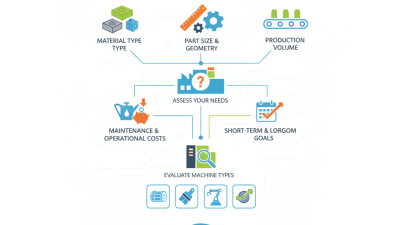
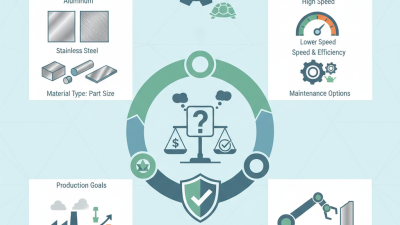
Nonetheless, selecting the best Edge Deburring Machine is not always straightforward. Factors such as production volume, material type, and specific finishing requirements must be considered. It's crucial to evaluate both the initial cost and the long-term benefits. Taking the time to analyze these aspects can result in better decision-making. Investing in the right machine may lead to increased efficiency and quality in the long run.
Types of Edge Deburring Machines Available in the Market
When considering edge deburring machines, it's essential to understand the different types available. These machines vary in design and function, catering to various materials and applications. Typically, you can find manual, semi-automatic, and fully automatic models. Manual machines require the operator to perform most of the work, making them budget-friendly. Semi-automatic machines offer a blend of human and machine input, increasing efficiency. Fully automatic models are designed for high-volume production with minimal operator intervention.
Each type has its strengths and weaknesses. Manual machines may not be as fast, but they allow for greater control over the deburring process. Conversely, automatic machines can increase productivity but may overlook finer details when it comes to more complex shapes. It's crucial to assess your production needs. Consider the volume of work and the required level of precision.
To choose the right machine, reflect on your workflow. Ensure it aligns with your production goals. Keep maintenance in mind, as it influences the machine's longevity. Regular upkeep extends the lifespan and improves performance. Lastly, consider getting an expert's opinion, especially if you're transitioning to a more automated system. This well-informed decision will help you invest wisely.
What is the Best Edge Deburring Machine for Your Needs?
| Machine Type |
Deburring Method |
Suitable Materials |
Production Rate (Parts/Hour) |
Price Range (USD) |
| Manual Handheld Deburrer |
Manual |
Metal, Plastic |
20-50 |
50-150 |
| Robotic Deburring System |
Automated |
Metal |
200-500 |
20,000-50,000 |
| Belt Grinding Deburring Machine |
Mechanical |
Metal, Wood |
50-100 |
2,000-5,000 |
| Waterjet Deburring Machine |
Water Jet |
Metal, Composite |
100-300 |
30,000-80,000 |
| Vibratory Deburring Machine |
Vibratory |
Metal, Plastic |
200-400 |
5,000-15,000 |
Key Features to Consider When Choosing an Edge Deburring Machine
When selecting an edge deburring machine, it is essential to consider several key features. The machine's size and portability are crucial for ensuring it meets your operational needs. A lightweight machine may enhance mobility, especially in a small workshop. Alternatively, a sturdier option might provide better stability for larger projects. Pay attention to the machine’s power source as well. Electric machines tend to offer more consistent performance, while pneumatic options can be beneficial in specific settings.
The type of deburring process also matters. Different methods include mechanical, thermal, and chemical. Mechanical machines are often more straightforward and user-friendly, making them ideal for beginners. Thermal and chemical systems can be more complex but may offer superior results in specific applications. Always consider your material type too. Certain machines perform better on metals, while others excel with plastics.
Observation is vital when choosing a machine. Take note of user reviews and industry feedback. This information can reveal potential weaknesses or areas for improvement in various models. Testing the machine before purchase can provide insights into its operation and maintenance requirements. This hands-on experience can help ensure that your final choice aligns with your operational needs and capabilities.
Comparative Analysis of Popular Edge Deburring Machines
When selecting the ideal edge deburring machine, a comparative analysis can illuminate key factors. Different machines feature varying technologies. Some utilize abrasive methods, while others depend on advanced automation. It’s essential to assess your specific needs and the materials you work with for the best compatibility.
Understanding the performance of machines is crucial. Speed is another factor to consider. While some machines operate quickly, they may sacrifice the quality of the finish. Others may produce superior results but take significantly longer. This balance between speed and quality can define your operational efficiency.
Also, consider the machine’s maintenance requirements. Some models need regular upkeep to function optimally. Neglecting maintenance can lead to diminished performance over time. Evaluating the ease of maintenance is key to decision-making. Reflecting on these factors can guide you toward making an informed choice for your edge deburring needs.
Factors Influencing the Cost of Edge Deburring Machines
When considering the cost of edge deburring machines, several factors come into play. The type of materials used in manufacturing significantly influences price. High-quality components often lead to higher costs, reflecting durability and performance. Additionally, the machine's capacity and features, such as automation levels and user interfaces, can raise expenses. A basic model may suffice for small operations, while larger companies might need more advanced machines.
Service and warranty options should also be part of your financial considerations. Some manufacturers offer extensive support that can justify a higher price tag. However, potential buyers must weigh this against their specific needs and budget constraints. Maintenance costs can add up if the machine requires frequent servicing. Users often overlook these expenses when choosing a model.
Evaluating the total cost of ownership is essential. Consider the long-term benefits alongside initial investment. You'll find that sometimes a lower-priced unit may not meet production demands, eventually costing more. Researching and reflecting on your requirements can guide you to the right choice.
Best Practices for Maintaining Your Edge Deburring Machine
Proper maintenance of your edge deburring machine is crucial for optimal performance. Regular cleaning is essential to prevent metal shavings from building up. Even a small accumulation can affect the machine's efficiency. Take the time to wipe down the machinery after each use. Check components for wear, as small issues can lead to larger breakdowns. A scheduled maintenance check can save significant time and costs in the long run.
Lubrication is another key aspect of machine care. Use the recommended fluids to keep parts moving smoothly. Pay attention to the manufacturer’s guidelines regarding lubrication frequency. Neglecting this can cause friction and wear, leading to malfunction. Additionally, ensuring that the blades remain sharp is vital. Dull blades can create more edges to deburr, increasing workload and energy use.
Don’t overlook the importance of training operators. Even the most reliable machine can suffer from improper use. Conduct regular training sessions to keep staff informed about best practices. Encourage feedback from operators, as they can provide insights into potential improvements. Reflecting on usage patterns may reveal areas that need adjustment or a different approach.