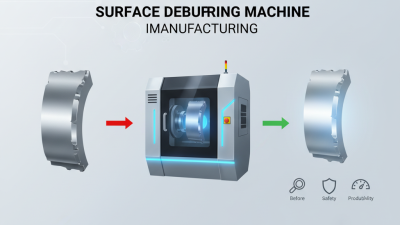
China Top Surface Deburring Machine Options for Your Business Needs?
In today's fast-paced manufacturing landscape, the choice of a Surface Deburring Machine can significantly impact efficiency and product quality. According to a recent report by the International Journal of Advanced Manufacturing Technology, businesses that invest in advanced deburring technology see a 30% increase in productivity. However, not all machines are created equal, and companies must make informed decisions that align with their specific needs.
Expert John Miller, a leading authority in surface finishing technology, emphasizes the importance of selecting the right equipment. He states, "The efficiency of your production line hinges on the capabilities of your Surface Deburring Machine." His insights highlight the fact that selecting an inappropriate machine can lead to costly downtime and increased operational challenges.
As businesses navigate their options, it's crucial to weigh the pros and cons of each model. Not every machine will suit every operation. Identifying the unique characteristics of your production line and understanding machine specifications is vital. A well-informed choice can set the foundation for growth, while a hasty decision could lead to setbacks that demand reflection and reassessment.
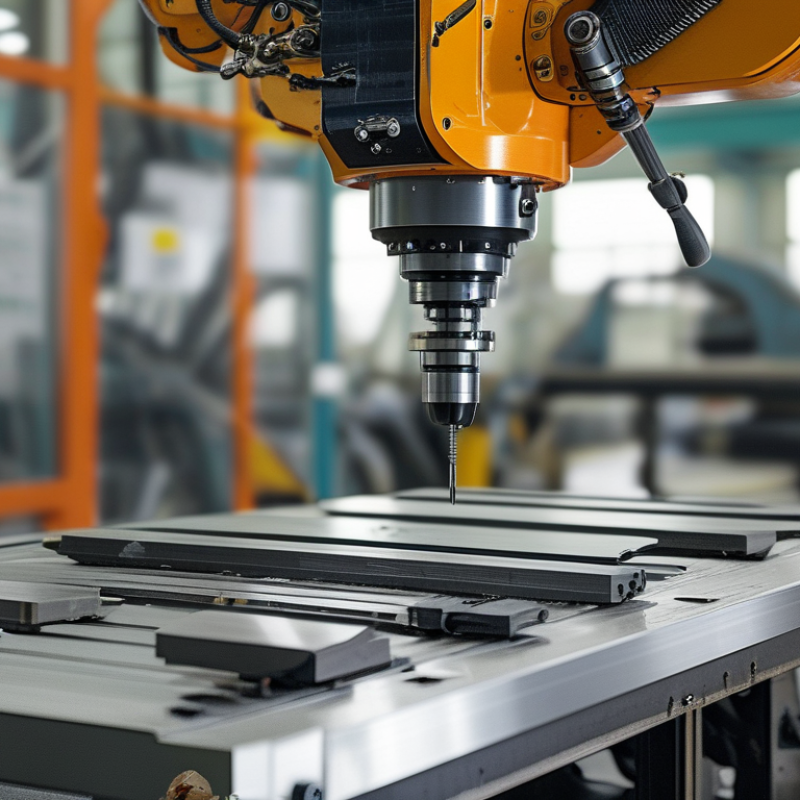
China's Leading Surface Deburring Machine Brands: An Overview
In the competitive landscape of manufacturing, surface deburring machinery plays a crucial role. China's market for deburring machines is expanding rapidly, with growth projected at 5.6% annually over the next five years. This growth is driven by the demand for precision in metalworking and automotive sectors, emphasizing the importance of choosing the right equipment.
Several brands dominate the market, offering innovative solutions. They focus on automated processes that improve efficiency. Notably, many machines can adapt to various materials like steel, aluminum, and plastics. Furthermore, the trend towards environmentally friendly operations cannot be ignored. Some manufacturers are now integrating energy-efficient technologies.
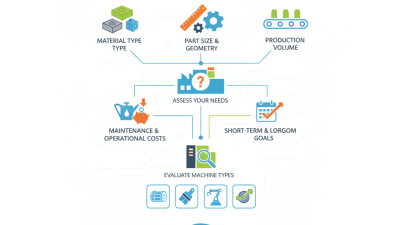
Tips: Consider the specific materials and production volume when selecting a deburring machine. This can significantly impact your manufacturing efficiency. Research shows that automating deburring processes can cut production time by up to 30%. However, not every solution will fit every business. Always evaluate potential machinery against your operational needs. Flexibility in machine specifications often leads to better outcomes.
In the end, successful implementation depends on thorough analysis and careful consideration. Understanding your specific deburring needs can lead to better investment decisions. Learning from others in the industry can provide insights into avoiding common pitfalls.
Key Features to Consider When Choosing Deburring Machines
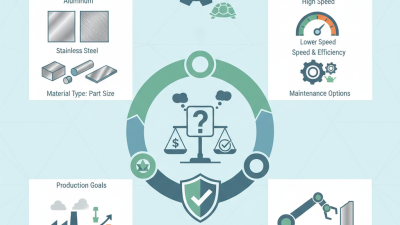
When selecting a deburring machine for your business, several key features should influence your decision. The machine's size and capacity must match your production needs. If you work with large components, a robust model is vital. Smaller parts may benefit from a more compact design. Consider automation levels, too; machines with programmable settings can enhance efficiency.
Another essential feature is the type of deburring technology used. Abrasive processes might be suitable for heavy burrs, while ultrasonic options are better for delicate surfaces. Understanding the material types you frequently work with is crucial. Some machines handle metals effectively but may struggle with plastics. Operators should also think about ease of use. ***Complicated setups can lead to inefficiencies and errors.***
Maintenance requirements cannot be overlooked. Machines that are hard to clean or maintain can become liabilities. Frequent breakdowns affect productivity. Consider the availability of spare parts in your region. This can save time during repairs. Ultimately, the best choice balances features with your specific operations, but continuously reflecting on these aspects can improve your decision-making.
Types of Deburring Techniques Used in China's Machinery Industry
In the machinery industry, deburring is essential for ensuring product quality. Numerous techniques are employed in China to achieve optimal results. Among these, mechanical deburring and thermal deburring are widely used.
Mechanical deburring involves using tools to remove sharp edges from a workpiece. Thermal deburring applies extreme heat to eliminate burrs effectively. Reportedly, companies utilizing advanced deburring techniques have noticed a 30% reduction in manufacturing defects.
Moreover, chemical deburring is gaining traction. This method uses chemical solutions to dissolve burrs. According to industry studies, over 25% of manufacturers indicate a preference for chemical methods due to their ability to reach intricate designs. There is, however, a downside. The disposal of chemicals requires compliance with strict regulations, casting doubt on its sustainability.
Another technique to consider is vibration deburring. This method is ideal for delicate components. It utilizes media to gently polish surfaces. Yet, results can vary significantly based on material and media choice. Understanding these techniques' pros and cons is crucial for making informed decisions. Balancing efficiency with environmental concerns remains a challenge for many in the industry.
Cost Analysis: Investing in Surface Deburring Machines for Businesses
Investing in surface deburring machines can significantly impact your business's efficiency. These machines help in removing sharp edges and imperfections from materials, ensuring quality finishes. A common concern is the initial cost, which can be substantial. However, the long-term benefits often outweigh this upfront investment. For example, improved safety standards and reduced manual labor can lead to cost savings.
Analyzing costs involves more than just the purchase price. Maintenance and operating costs are equally important. Some machines require more frequent servicing, which can add to their overall expense. Consider the machine's lifespan as well. A more expensive, durable machine might offer better value over time. Businesses should also assess their production volume. Low-volume businesses may not need high-end machines, while larger operations could benefit from advanced technology.
It's essential to weigh your options carefully. The right machine can streamline operations, but poor choices can lead to frustrations. Look into user reviews and seek expert advice. Equipment that seems perfect on paper might not meet real-world expectations. Therefore, gather as much information as possible before making a decision. This approach can minimize risks and enhance your investment's overall return.
Cost Analysis of Surface Deburring Machines for Businesses
Maintenance and Support for Surface Deburring Equipment in China
In the realm of surface deburring, maintenance and support play critical roles in ensuring optimal performance. Regular upkeep of equipment prevents potential failures and costly downtimes. Operators should schedule routine inspections to identify wear and tear. This proactive approach can significantly enhance machine longevity.
Training is another crucial aspect. Staff should receive clear instructions on proper usage and maintenance routines. Knowledge of the machinery fosters a sense of ownership and care among operators. Investing in skill enhancement can lead to better performance and increased efficiency.
Businesses must also consider the availability of support services. Access to professional help can be vital when issues arise. However, not all manufacturers provide the same level of after-sales support. Researching and reaching out for assistance before purchasing a machine is wise. This ensures readiness to tackle any challenges in the future.