Essential Tips for Choosing the Right Surface Finishing Machine?
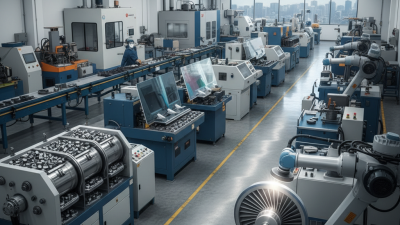
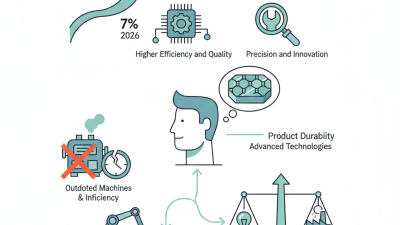
Selecting the right Surface Finishing Machine is crucial for industries aiming to achieve high-quality finishes. According to a report by MarketsandMarkets, the global surface finishing market is expected to reach $25 billion by 2026, highlighting its significance in manufacturing processes. Experts emphasize the need for precision and reliability in these machines to meet evolving industry demands.
John Smith, a renowned industry expert, states, “The right Surface Finishing Machine can significantly enhance productivity and product quality.” His insights stress the importance of understanding the specific needs of various applications. Factors such as material compatibility, size, and finish type play critical roles in selection.
However, many companies still struggle with these choices. Some overlook essential features, while others invest in machines that don't align with their production goals. This inconsistency leads to unsatisfactory results and increased operational costs. Therefore, a careful evaluation of options is vital for ensuring success in surface finishing operations.
Understanding Different Types of Surface Finishing Machines
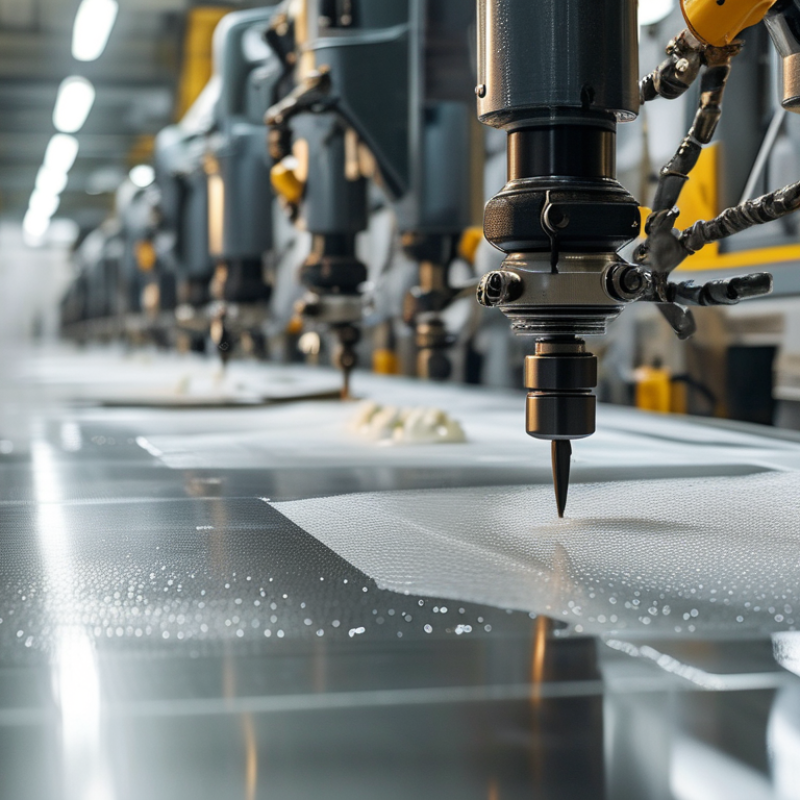
Choosing the right surface finishing machine can be challenging. Different types cater to various needs. Each machine offers unique benefits and limitations. Understanding these will aid in making an informed choice.
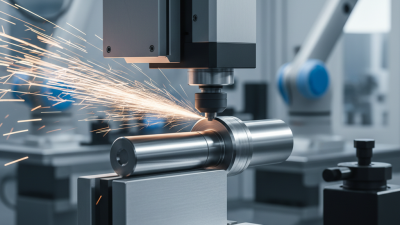
There are several common types of surface finishing machines. For instance, belt sanders are useful for flat surfaces. They deliver a smooth finish but can be aggressive. On the other hand, vibratory tumblers excel in polishing intricate parts. They gently smooth surfaces but may take longer than other methods. Some machines, like rotary buffers, blend effectiveness and speed. Your choice depends on the specific application and desired finish.
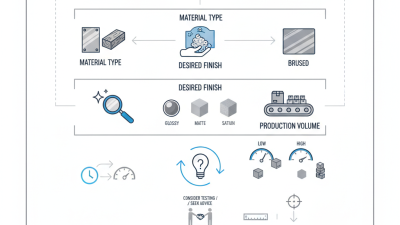
Consider the material you’ll be working with. Metals, plastics, and wood require different approaches. This can complicate decisions. Also, think about the project scale. Larger jobs might benefit from heavier, industrial machines. However, small-scale projects may be best served by portable options. Take the time to evaluate each type carefully before proceeding with your purchase.
Essential Tips for Choosing the Right Surface Finishing Machine
| Machine Type |
Primary Function |
Common Applications |
Advantages |
Considerations |
| Grinding Machine |
Material Removal |
Metalworking, Tool Sharpening |
High precision, Versatile |
Requires skilled operators |
| Polishing Machine |
Surface Enhancing |
Jewelry, Automotive, Appliances |
Creates a shiny finish |
Can be time-consuming |
| Sanding Machine |
Smoothing Surfaces |
Woodworking, Furniture Production |
Efficient for large areas |
Dust generation |
| Bead Blaster |
Surface Cleaning |
Aerospace, Medical Devices |
Removes contaminants |
Requires proper safety gear |
| Ultrasonic Cleaner |
Decontaminating |
Electronic Components, Delicate Items |
Gentle yet effective |
Size limitations |
Key Factors to Consider When Choosing a Surface Finishing Machine
Choosing the right surface finishing machine is crucial for your operations. Several key factors can guide your decision-making process. One significant aspect to consider is the type of material you are working with. Different machines excel at finishing various materials, from metals to plastics. Understanding your specific needs will help you select a suitable machine.
Another important factor is the machine’s efficiency. A machine that operates quickly can save you time and increase productivity. Look for features that allow for automated processes. However, it's essential to evaluate the machine's ease of use as well. Complicated controls can slow down production and increase learning curves.
Budget is always a consideration. While a higher price often correlates with better quality, it's not an absolute rule. Assess whether the features of a more expensive machine truly meet your requirements. Sometimes, a mid-range option might serve your needs just fine. Overall, weigh the pros and cons of each option carefully, ensuring it aligns with your unique finishing tasks.
Evaluating Machine Performance and Efficiency for Surface Finishing
When evaluating surface finishing machines, performance and efficiency are key metrics. According to a report by the International Journal of Advanced Manufacturing Technology, optimal machine performance can reduce production time by up to 30%. This gain significantly impacts overall productivity and cost-effectiveness. Different machines offer varying levels of speed and precision based on their design and intended use.
Potential buyers should consider the specific needs of their operations. An efficient machine should not only deliver high-quality finishes but also minimize waste. Reports suggest that machines with energy-efficient motors can cut energy costs by around 25%. This is especially relevant as businesses look to improve sustainability. However, prioritizing energy efficiency should not come at the expense of performance quality.
Understanding machine capabilities requires thorough research. User reviews and expert analyses can provide insights into reliability. It's essential to check for common issues, such as maintenance requirements and downtime. Despite advancements, some models may not meet expectations in harsh environments. Balancing these factors can help ensure that the chosen machine aligns with operational goals and budget constraints.
Essential Tips for Choosing the Right Surface Finishing Machine
Assessing Maintenance Needs and Costs for Surface Finishing Equipment
When selecting a surface finishing machine, maintenance needs should be a primary consideration. Equipment that requires frequent repairs can lead to unexpected costs. Assess how often service is needed and what parts wear out quickly. Understanding the maintenance schedule helps in budgeting effectively. If service is neglected, efficiency may drop. Machines can malfunction, which leads to downtime. Your overall productivity could suffer.
Cost is another critical factor. Initial costs can be deceiving. Look beyond the price tag. Long-term maintenance can add up, especially if parts are expensive or hard to find. Factor in labor costs for repairs and regular maintenance routines. Some machines may seem cheaper but require more frequent service. Balance upfront investment with future expenses.
Also, consider the availability of technicians. Skilled professionals are essential for proper maintenance. If local support is limited, it could delay repairs. This could escalate costs and prolong issues. Cultivating a good relationship with your service provider can help in urgent situations. Reflect on these elements to make a more informed decision about your surface finishing machine.
Exploring Industry Standards and Safety Regulations for Surface Finishing
When selecting a surface finishing machine, understanding industry standards and safety regulations is crucial. The Occupational Safety and Health Administration (OSHA) has established guidelines that help ensure the safety of operators. Compliance with these standards not only protects employees but can also enhance productivity. For instance, proper ventilation systems can reduce airborne contaminants by over 50%, significantly improving worker health.
Additionally, various industry associations provide resources on safety practices. The National Association of Manufacturers (NAM) emphasizes the importance of machine guards and safety features. Many accidents occur due to inadequate safety measures. A report from the Bureau of Labor Statistics noted that more than 2.8 million non-fatal workplace injuries were recorded in recent years. This highlights the urgency of adhering to safety regulations.
Choosing a machine that meets regulatory requirements can save time and money in the long run. devices certified by recognized organizations often guarantee compliance. Nevertheless, some manufacturers may overlook these certifications to reduce costs. This decision can lead to higher long-term risks. It's essential to weigh the pros and cons carefully. Safety should never be compromised for price.