Essential Tips for Buying a Plate Sheet Polishing Machine?
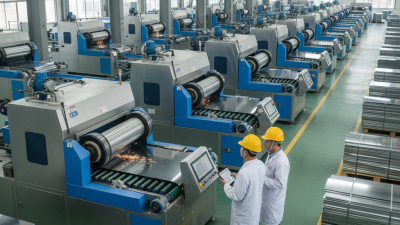
When considering the purchase of a Plate Sheet Polishing Machine, the stakes are high. This equipment plays a crucial role in industries from manufacturing to automotive, enhancing the finish and quality of metal products. According to recent market research, the demand for polishing machines is expected to grow by 15% annually, reflecting their essential role in achieving superior surface quality.
Industry expert, John Smith, emphasizes, “Investing in quality polishing machines can drastically improve operational efficiency.” His insights underline the necessity of selecting the right machinery for specific needs. As buyers navigate options, it's vital to consider factors like machine durability, ease of use, and maintenance requirements.
Many potential buyers overlook these critical details. Various models may promise excellent results, but not all deliver consistent performance. Understanding the technology behind a Plate Sheet Polishing Machine and its applications helps in making an informed choice. Balancing cost with quality is important, yet many often end up regretting hasty decisions.
Understanding the Basics of Plate Sheet Polishing Machines
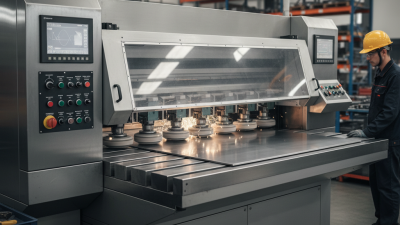
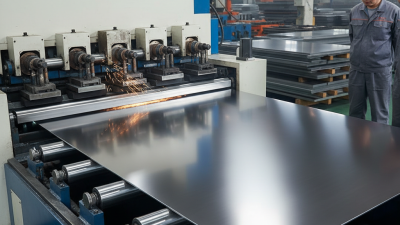
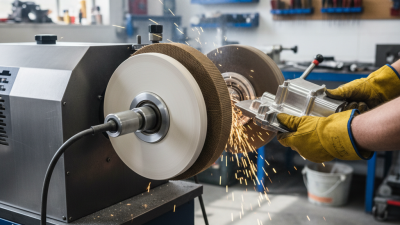
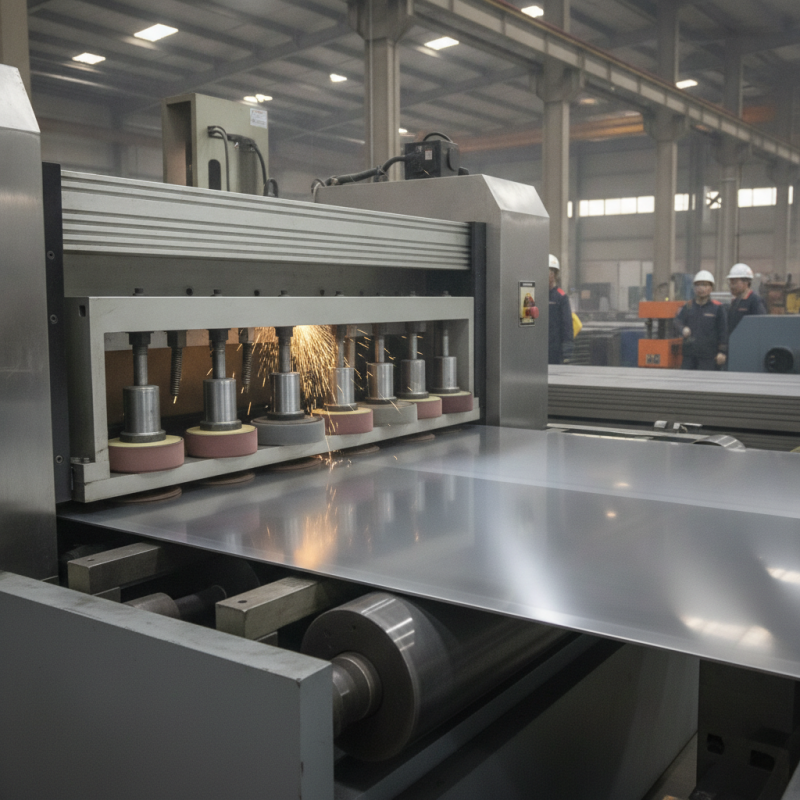
When considering a plate sheet polishing machine, understanding its basics is crucial. These machines are designed to enhance the surface finish of metal sheets. They can remove imperfections, ensuring a smooth finish. The process involves grinding and polishing to achieve the desired level of shine.
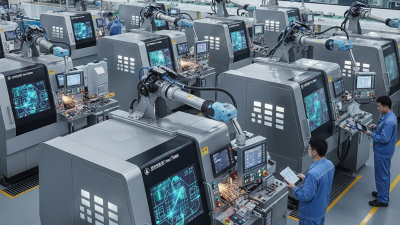
Tips for buying involve assessing your specific needs. Identify the types and sizes of sheets you will polish. Not every machine fits all types of materials. Consider automation features and ease of use. Some machines require prolonged training. This can lead to inefficiencies in production. Research the machine's durability and maintenance needs, as some parts may wear out quickly.
Another important aspect is safety. Inspect the machine for safety features. Look for emergency stops and guards. These can prevent accidents in a busy workshop. If possible, consult with experts or those experienced in this field. Their insights could highlight aspects you might overlook. Investing time in understanding these machines will pay off in the long run.
Key Features to Look for in a Polishing Machine
When choosing a plate sheet polishing machine, focus on key features that ensure efficiency and quality. One vital aspect is the motor power. A powerful motor reduces processing time and enhances the machine's durability. This aspect is crucial for high-volume operations, as it directly affects productivity on the shop floor.
Another important feature is the polishing head design. Machines with adjustable polishing heads offer flexibility. They can accommodate various sheet sizes and shapes. Such versatility is essential when dealing with different materials. Moreover, check for adjustable speed settings. This feature lets operators fine-tune performance based on specific needs, resulting in optimal finishes.
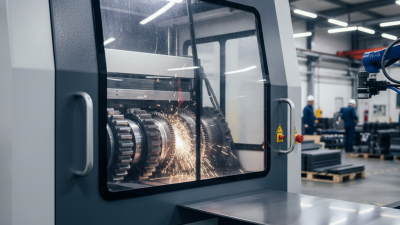
Efficiency often depends on the machine's dust collection system. A well-designed system minimizes debris, ensuring a clean workspace. This not only improves visibility but also extends the life of the machine. However, it's essential to reflect on maintenance requirements. Machines with complex systems might require more frequent servicing. This could affect long-term operational costs and downtime. Balancing these features will lead to a sound investment in your polishing needs.
Evaluating Machine Performance and Efficiency
When evaluating machine performance and efficiency in plate sheet polishing machines, you need to consider several critical factors. The motor's power rating is essential. A powerful motor typically means better polishing capabilities and faster processing times. Check the RPM of the polishing heads. Higher RPM can offer finer finishes, but this may also wear down the consumables faster.
Tip: Always assess the compatibility of the machine with various materials. Not every machine can handle thicker plates or certain alloys efficiently. Inadequate compatibility may lead to poor finishes or machine damage.
Look into user reviews and case studies. These insights provide real-world performance data. You may find that some machines are efficient but require more maintenance than expected. Careful examination of these elements can prevent costly mistakes.
Tip: Consider energy efficiency ratings. Machines that consume less energy will reduce operational costs over time, even if their upfront price is higher. Yet, remember that efficiency may not always equate to performance in all scenarios.
Performance Comparison of Plate Sheet Polishing Machines
Considering Budget and Cost-Effectiveness
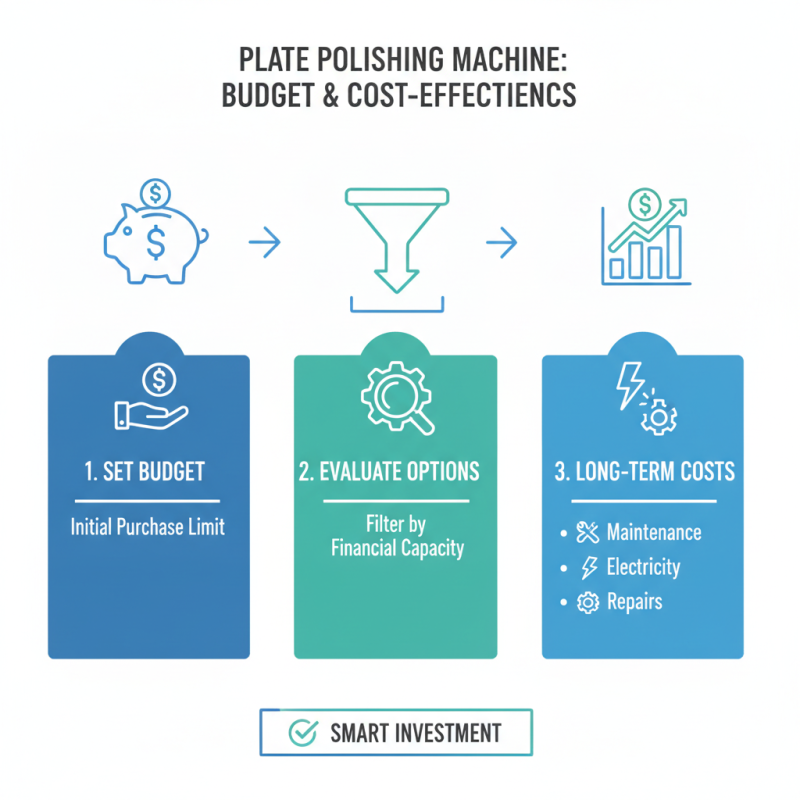
When considering the purchase of a plate sheet polishing machine, budgeting is crucial. A precise budget can guide your choices. Determine how much you're willing to spend. This will help filter out options that exceed your financial capacity. Consider not just the initial cost but also the long-term expenses. Maintenance, electricity, and potential repairs can add up quickly.
Cost-effectiveness goes beyond the purchase price. Look into the machine's energy efficiency. A machine that consumes less power can save money over time. Assess durability as well. A robust machine may have a higher upfront cost but could last much longer. This investment can lead to lower replacement costs.
Lastly, be wary of overly cheap options. A low price might reflect poor quality. Research user reviews and expert opinions. Some budget machines may require frequent repairs or replacement parts, negating savings. Balancing cost with quality is essential for a wise purchase. Take the time to reflect on your choices, and don't rush into a decision.
Maintenance Tips for Long-Term Machine Use
Maintaining a plate sheet polishing machine is essential for ensuring long-term performance. Regular maintenance can extend the lifespan of the machine. According to industry reports, nearly 30% of machine failures are due to inadequate maintenance. Proper care can improve efficiency and reduce downtime significantly.
One important tip is to keep the machine clean. Dust and debris can affect the polishing process and damage components. Regularly inspect for wear and replace any worn parts promptly. Use lubricants recommended in the manual to keep moving parts functioning smoothly. Not all lubricants offer the same protection; choose high-quality options based on the recommended specifications.
Another factor to consider is the working environment. Machines operate best in clean, temperature-controlled spaces. Humidity and extreme temperatures can affect performance. Analyze the machine's operating conditions and make adjustments as needed. Sometimes, overlooked details can lead to major issues, impacting productivity and precision in polishing. Regular training for operators can help maintain awareness of best practices and potential pitfalls. This proactive approach not only reduces costs but also enhances the overall reliability of the machinery.