What is a Steel Deburring Machine and How Does It Work?
In the manufacturing industry, a Steel Deburring Machine plays a crucial role in enhancing the quality of steel components. The demand for high precision in production has increased, leading to the need for effective deburring solutions. Recent reports indicate that the global market for deburring machines is expected to grow substantially, reflecting the heightened focus on efficiency and product quality.
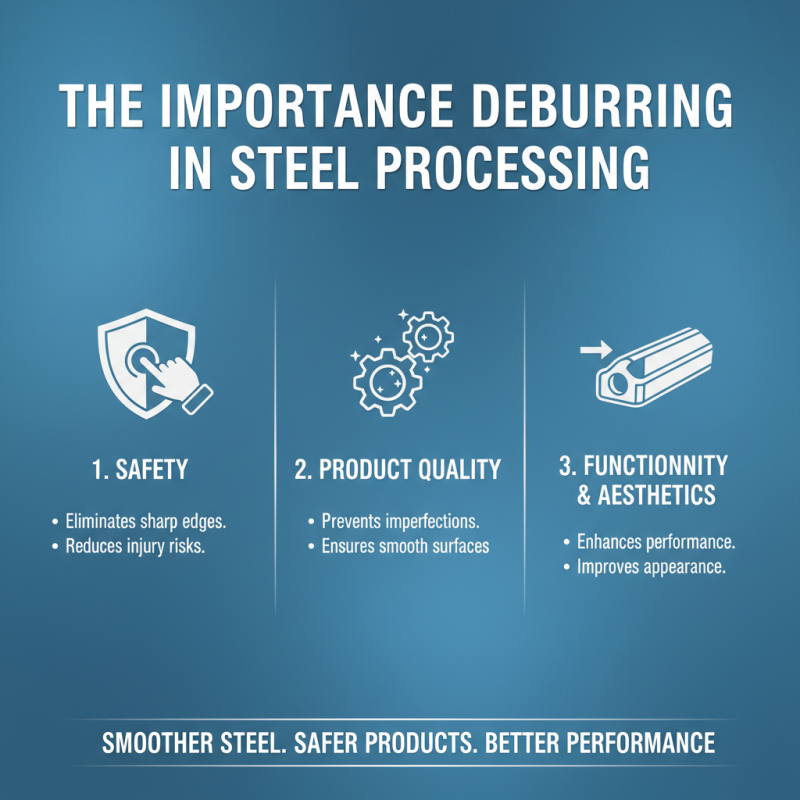
Deburring involves the removal of sharp edges and unwanted material from machined metal parts. Without appropriate treatment, these edges can lead to safety risks and product failures. According to industry studies, up to 20% of production downtime can be attributed to inefficient deburring processes. This highlights the necessity for advanced machinery like the Steel Deburring Machine, which offers precise and consistent results.
While automation and technology are evolving rapidly, many facilities still struggle with traditional methods. These outdated techniques can result in uneven finishes and increased labor costs. A Steel Deburring Machine can greatly alleviate these issues, ensuring that components meet stringent quality standards. Companies that adopt this technology can drive improvement and maintain competitiveness in an ever-evolving market.
What is a Steel Deburring Machine?
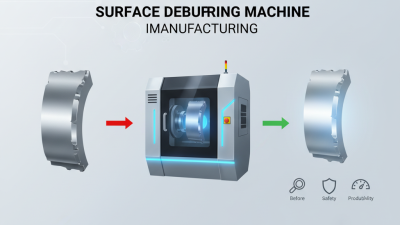
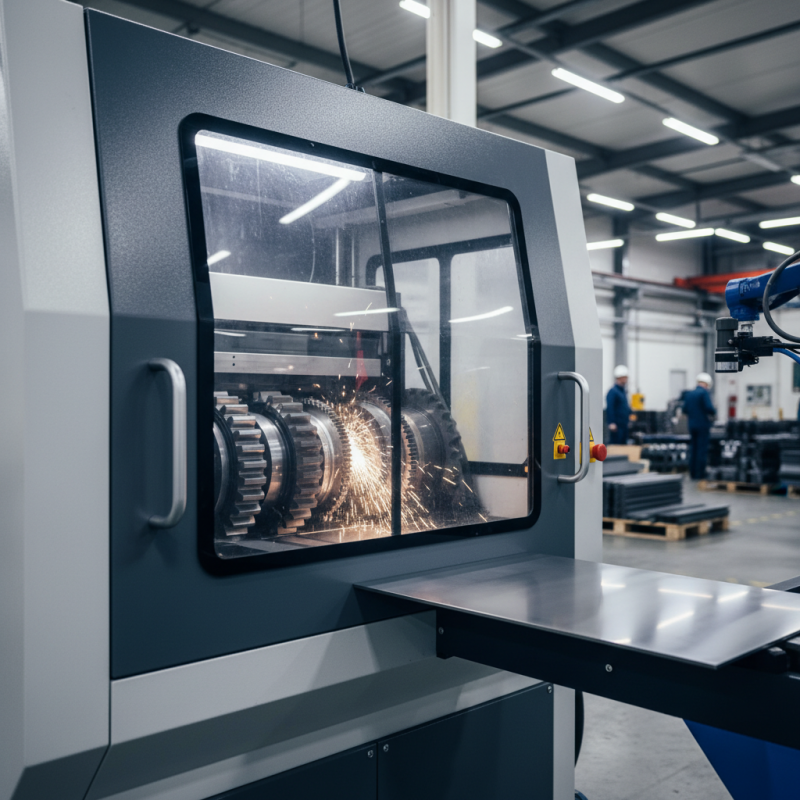
A steel deburring machine is essential for metalworking. It smooths out rough edges and burrs left after machining processes. These machines come in various forms, including manual and automated systems. Their primary function is to enhance the safety and aesthetics of finished metal parts. They are used in industries such as automotive, aerospace, and manufacturing.
Using a deburring machine effectively requires some tips. Always adjust the speed settings according to the material thickness. Heavier metals may need slower speeds for efficient deburring. Regular maintenance is also crucial. A well-maintained machine ensures consistent results and reduces the risk of errors.
It’s important to note that while deburring machines are effective, they are not foolproof. Operators must remain vigilant. Inspecting parts before and after the process helps catch any issues. If burrs persist, it may indicate a need for different tooling or technique adjustments.
How Steel Deburring Machines Operate: A Step-by-Step Process
Steel deburring machines play a vital role in metal fabrication. These machines focus on removing sharp edges and burrs from steel parts. The process helps in enhancing safety and improving product quality. Many industries use these machines for precise results.
The operation of a steel deburring machine follows a systematic approach. Initially, the machine receives metal parts after they are cut or machined. Once they are loaded, the machine utilizes brushes, abrasives, or specialized tools. These elements work on the edges of the parts, smoothing them out carefully. The movement can be automatic or manual, depending on the machine type.
Monitoring the process is critical. Operators need to check if the parts are properly deburred after treatment. Sometimes, there might be remaining burrs or uneven surfaces. Continuous assessment ensures quality control and enhances the product's safety features. Each step in the operation requires careful execution to guarantee the best outcomes.
Types of Steel Deburring Machines and Their Applications
Steel deburring machines play a crucial role in metalworking processes. Various types of these machines aid in improving surface finishes and ensuring part safety. Understanding the types available helps in selecting the right machine for specific tasks.
One common type is the manual deburring machine. This machine requires more hands-on labor but allows for precision control. Users can focus on intricate parts that need careful handling. However, it can be time-consuming. Tolerance for human error is higher in manual operations.
Another option is the automated deburring machine. These machines handle larger volumes and are efficient for mass production. They often use brushes, grinders, or chemical solutions for deburring. While they significantly reduce labor costs, they require careful maintenance to ensure optimal performance. Neglecting regular checks can lead to decreased efficiency and poor finishing.
Tips: Always match the machine type with the application. Evaluate the complexity of parts before making a choice. Regular maintenance is key. It avoids costly breakdowns and ensures high-quality results.
Maintenance Tips for Optimal Performance of Deburring Machines
Maintaining a steel deburring machine is essential for its optimal performance. Regular checking of components ensures that the machine operates smoothly. According to industry reports, nearly 30% of machine downtime is due to inadequate maintenance. This means that a proper upkeep strategy is vital.
Routine tasks should include cleaning the machine surfaces and checking for debris buildup. Over time, wear and tear can occur, leading to diminished efficiency. Inspections of belts, brushes, and gears are crucial. Replacing worn parts on time decreases the risk of unexpected failures. Implementing a schedule where every component is reviewed can lead to improved productivity.
Lubrication is another critical aspect often overlooked. Proper lubrication minimizes friction and extends the lifespan of moving parts. However, achieving the right balance is necessary. Too little lubrication can lead to overheating, while too much can attract dust and debris. Understanding these nuances is key to maintaining a reliable deburring machine. Regular training for staff ensures everyone is aware of proper maintenance protocols.
Steel Deburring Machine Performance Metrics
This bar chart illustrates the performance metrics of a steel deburring machine, highlighting key factors such as speed, efficiency, noise level, energy consumption, and maintenance frequency for optimal operation.