What is a Steel Polishing Machine and How Does It Work?
In the world of manufacturing, the importance of surface finishing cannot be overstated. Steel polishing machines play a vital role in achieving high-quality, polished surfaces. These machines enhance not just the appearance but also the durability of steel products. Industry expert Dr. Emily Carter, a leading figure in metalwork technology, emphasizes, "A well-polished surface can significantly extend the lifespan of steel components."
The working mechanism of a steel polishing machine is intriguing. It typically utilizes abrasive materials to eliminate imperfections, resulting in a smooth, shiny finish. Understanding this process can be daunting for newcomers. However, with expert guidance, navigating the complexities of steel polishing becomes achievable. Many manufacturers underestimate the significance of investing in advanced polishing machinery.
Despite advancements, some challenges remain. Not every machine delivers consistent results. Factors like operator skill and machine maintenance influence performance. As the industry evolves, it will be crucial to address these gaps. Continuous improvement in the steel polishing machine technology can lead to better outcomes, meeting the ever-increasing quality standards demanded by consumers.
What is a Steel Polishing Machine?
A steel polishing machine is essential in many industries. It enhances the surface quality of steel products. These machines use abrasive materials to achieve a smooth, shiny finish.
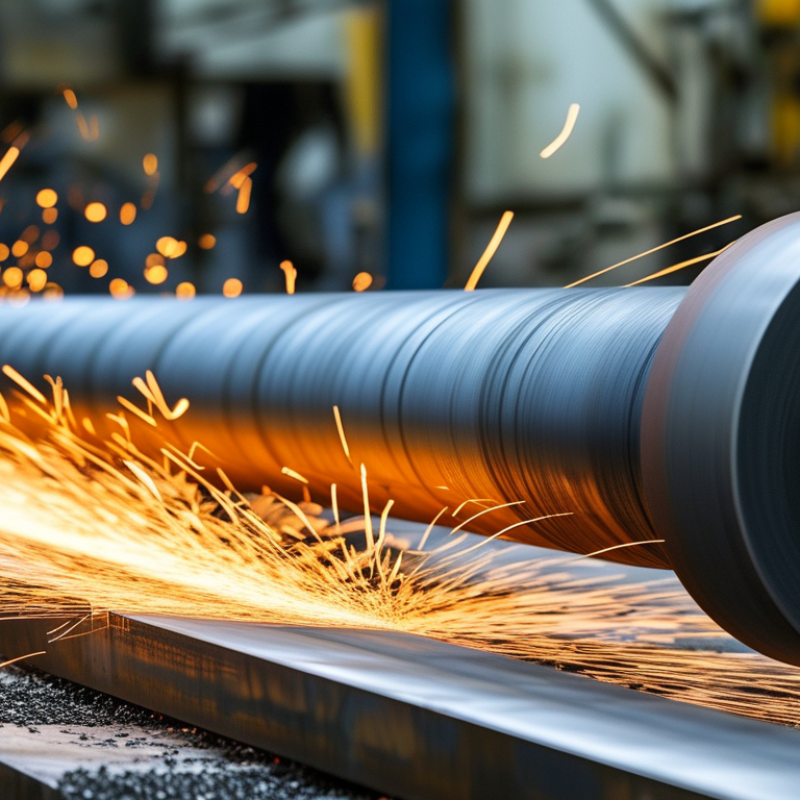
The working principle is straightforward. The machine typically comprises a motor, polishing wheels, and a mechanism to hold the steel piece. As the motor runs, the polishing wheel rotates against the steel surface. The abrasives on the wheel strip away imperfections and oxidation, revealing a refined finish underneath.
However, achieving the perfect sheen can be challenging. Factors like speed, pressure, and the type of abrasive all play significant roles. Choosing the wrong combination can lead to scratches or uneven surfaces. Experienced operators continuously learn and adjust their techniques to master this process. This constant need for improvement underscores the complexity of steel polishing.
What is a Steel Polishing Machine?
A steel polishing machine is a device that utilizes various processes such as grinding, buffing, and polishing to achieve a smooth and shiny finish on steel products. The chart above illustrates the average time taken for each process in minutes.
Key Components of Steel Polishing Machines
Steel polishing machines are essential tools in metalworking. They are designed to finish and enhance the surface of steel products. Understanding their key components is vital for optimal performance and longevity.
One crucial part of a steel polishing machine is the motor. It powers the entire system, driving the polishing wheels or belts. The speed and torque of the motor significantly affect the polishing process. A machine with insufficient power may struggle, leading to inconsistent finishes. Additionally, the polishing head plays a critical role. It holds the abrasive material that comes into direct contact with the steel surface.
A well-designed polishing head ensures even pressure distribution, leading to a uniform shine.
Another important component is the control panel. This feature allows operators to adjust speed and pressure settings. Incorrect settings can lead to damage or poor results. Operators must be trained to make these adjustments.
Lastly, the feeding mechanism is key. It allows for continuous operation and precise handling of steel pieces. Misalignment can cause uneven polishing and wasted materials. Understanding these components helps in maintaining and operating steel polishing machines effectively.
How Steel Polishing Machines Operate
Steel polishing machines play a vital role in refining metal surfaces. They utilize abrasive materials to achieve a smooth and shiny finish. These machines can handle different shapes and sizes of steel. A user can select various levels of abrasiveness based on the desired finish.
The operation of steel polishing machines typically involves several steps. It begins with selecting the appropriate polishing wheel. The wheel's material and texture are crucial for achieving specific results. Once the machine is powered on, the steel workpiece is pressed against the polishing wheel. The friction helps remove imperfections, such as scratches or oxidation. The process requires precision to avoid any damage to the steel surface.
Attention to detail is essential in this operation. Each piece of steel may respond differently to polishing techniques. Machine operators must monitor the process closely. Unexpected results can occur if the wrong settings are used. Learning from these discrepancies can improve future performance. Effective polishing requires both skill and experience to master the nuances of the machine.
Types of Steel Polishing Machines Available
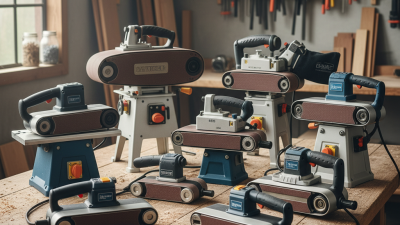
When it comes to steel polishing machines, various types are designed for different applications. Each machine is tailored for specific tasks, offering unique benefits. Some popular types include rotary polishers, belt polishers, and ultrasonic machines. Rotary polishers are effective for achieving a mirror-like finish, while belt polishers are essential for larger surfaces. Ultrasonic machines use high-frequency vibrations, adding precision and speed to the polishing process.
Tips for selecting the right machine include considering the scale of your project. For small items, a handheld rotary polisher can be sufficient. For larger manufacturing needs, an industrial belt polisher is ideal. Assess the material type as well. Some machines are better suited for stainless steel versus carbon steel.
Don't overlook maintenance. Regularly inspect and clean your machines to ensure longevity. A neglected machine can affect quality. Reflect on your needs; sometimes, investing in multiple machines offers versatility. Each machine has strengths and weaknesses. Choose wisely for optimal results.
Applications and Benefits of Using Steel Polishing Machines
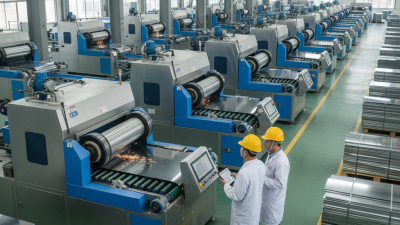
Steel polishing machines play a vital role in various industries. They enhance the surface finish of steel products, making them look polished and professional. These machines are widely used in manufacturing, automotive, and construction sectors. By improving surface quality, they also prevent corrosion and increase durability.
The benefits of using steel polishing machines are significant. A polished surface reduces friction during usage. This can extend the lifespan of tools and products. Additionally, a smooth finish is essential for aesthetic appeal. In many industries, appearance matters. A well-polished part can attract customers. However, not all processes achieve the desired finish on the first attempt. Operators must sometimes recalibrate machines. This highlights the importance of experience and skill in using polishing equipment effectively.
Many industries rely on timely maintenance and repair. Failure to do so can lead to subpar results. Users may find that consistency is key. While steel polishing machines can produce excellent outcomes, inconsistencies may arise from operator error. It’s important to constantly evaluate processes for improvement. This can lead to better efficiency and higher-quality finishes. Ultimately, the right technique can truly showcase the benefits of steel polishing.