Top 10 Belt Sanders for Every Sander Machine Enthusiast?
Belt sanders are essential tools for every woodworking enthusiast. They provide unmatched efficiency and precision in smoothing surfaces. The versatility of belt sanders makes them suitable for both professionals and hobbyists.
In this guide, we’ll explore the top 10 belt sanders available today. Each machine offers unique features tailored to various sanding needs. Whether you’re a seasoned expert or just starting, choosing the right belt sander is crucial. These machines can transform your projects, enhancing both speed and finish quality.
Selecting the best belt sanders requires careful consideration. Factors like power, belt size, and ease of use should influence your decision. Not every option fits all needs, so reflect on your projects. This guide aims to provide insights into reliable choices that stand out in performance and value.
Top Features to Look for in a Belt Sander for Woodworking
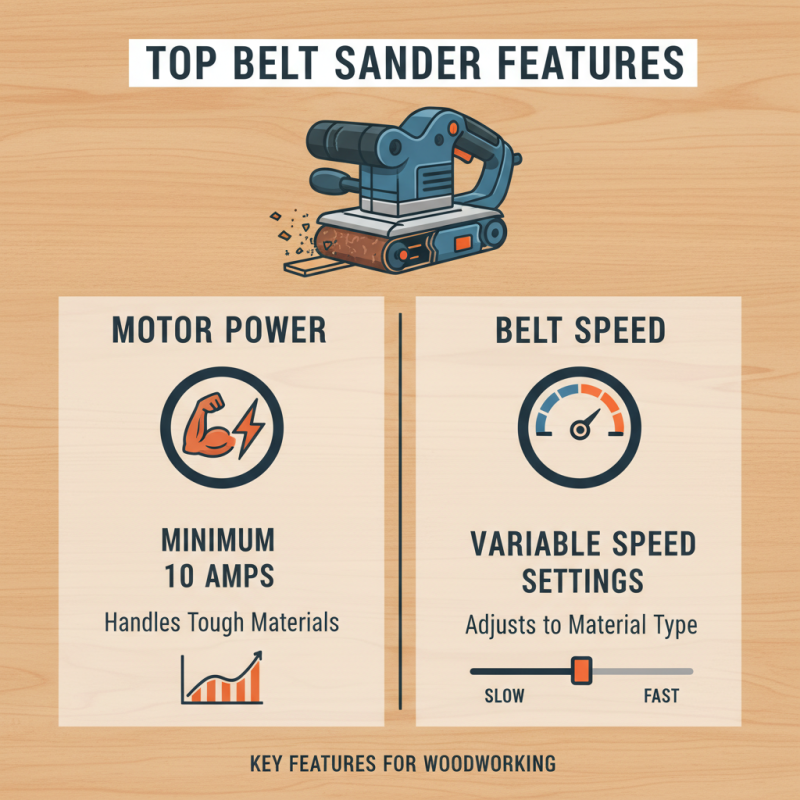
When selecting a belt sander for woodworking, several key features should be your guide. The power of the motor is crucial. A unit with a minimum of 10 amps is suitable for most tasks. This ensures that the sander can handle tougher materials. Belt speed is another consideration. Look for a sander with variable speed settings. This allows you to adjust based on the material you're working on.
Dust collection systems are also essential. A good sander should have an efficient dust bag or port. This helps maintain a clean workspace and improves visibility. Pay attention to the weight and balance of the sander. A heavier sander may provide more stability, but can be tiring over extended use. Ergonomics matter, too. Your comfort during sanding influences the quality of your work.
Belt size is an important detail. Most sanders use 3”x21” or 4”x24” belts. Consider the types of projects you typically tackle. This will dictate the size that suits your needs best. Lastly, while it's great to have advanced features, simplicity often works best. Sometimes, a straightforward design is easier to use and maintain. Embrace minor flaws in your choice, as they can reveal areas for improvement in technique or understanding of the tool.
Understanding Belt Sander Grains: Grit Sizes and Their Applications
Belt sanders are essential tools for woodworking enthusiasts. Understanding grit sizes is crucial for achieving desired finishes. Grit size refers to the size of the abrasive particles on the sanding belt. The lower the number, the coarser the grit. Coarse grits, such as 40 or 60, remove material quickly. They are ideal for rough shaping or removing old finishes.
Medium grits like 80 or 120 strike a balance between material removal and smoothness. These grits work well for smoothing surfaces without deep scratches. For final finishing, finer grits such as 220 and above provide a polished look. They help prepare wood for staining or sealing. However, approaching finer grits demands patience. Prematurely jumping to a fine grit can lead to poor surface adhesion.
In practice, choosing the right grit depends on project goals. A common error is using a grit that is too fine for heavy material removal. This can cause excessive heat and burning. Moreover, it can lead to ineffective results. Testing a few options on scrap wood can help gauge the best grit for your needs. Being mindful of these aspects can enhance the sanding process significantly.
Comparative Analysis of Belt Sanders: Power Ratings and Performance Metrics
When choosing a belt sander, power ratings are crucial. Generally, higher horsepower means faster sanding. Yet, more power doesn't always equal better performance. Some users find that lighter machines with moderate power offer better control. The ideal sander balances both power and user comfort. Ergonomics matters, especially in prolonged use.
Performance metrics like speed and belt size also play a significant role. An adjustable speed setting helps tackle different materials effectively. Sands often come with varying grit sizes. A finer grit is useful for finishing touches, while coarser options remove bulk faster. However, matching the grit to the task can be tricky. The wrong choice can lead to undesirable finishes. Users should be aware of their project needs before selecting a sander.
Durability and build quality are also significant. Materials used in the sander impact its lifespan and performance. A well-constructed sander can withstand heavy use, but even the best can fail unexpectedly. Users might overlook these aspects, focusing solely on specs. Investing time in research can prevent such pitfalls in the long run.
Maintenance Tips for Prolonging the Life of Your Belt Sander
Belt sanders are essential for any woodworking enthusiast. Proper maintenance prolongs their lifespan and ensures optimal performance. Regular care can save you money on repairs and replacements.
One key tip is to keep the belts clean. Dust and debris build up can reduce efficiency. A clogged belt can lead to overheating, causing premature wear. Regularly inspect and clean the belt to maintain its effectiveness.
Another important aspect is proper tension adjustment. An overly tight or loose belt can affect performance. Adjust the belt according to the manufacturer's specifications. This ensures consistent sanding and minimizes strain on the motor.
Lastly, always check the alignment. Misalignment can cause uneven wear on the belt. This can lead to poor sanding results and reduce the lifespan of your sander. Take time to adjust alignment frequently for optimal operation.
Industry research indicates that well-maintained tools perform better. Regular maintenance can extend the life of your belt sander by up to 30%. Investing time in care yields long-term benefits. With the right practices, your sander will serve you well for years to come.
Top 10 Belt Sanders for Every Sander Machine Enthusiast
| Model |
Belt Size |
Power (HP) |
Speed (SFPM) |
Weight (lbs) |
Price ($) |
| Belt Sander A |
3 in x 21 in |
3.0 |
120 |
8.5 |
120 |
| Belt Sander B |
4 in x 24 in |
3.5 |
150 |
9.5 |
150 |
| Belt Sander C |
4 in x 24 in |
4.0 |
160 |
10.0 |
180 |
| Belt Sander D |
3 in x 18 in |
2.5 |
110 |
7.0 |
90 |
| Belt Sander E |
4 in x 36 in |
4.5 |
175 |
11.5 |
200 |
| Belt Sander F |
3 in x 21 in |
3.0 |
130 |
8.2 |
130 |
| Belt Sander G |
4 in x 24 in |
5.0 |
180 |
12.0 |
220 |
| Belt Sander H |
4 in x 24 in |
3.2 |
145 |
10.0 |
160 |
| Belt Sander I |
3 in x 21 in |
3.5 |
125 |
8.8 |
140 |
| Belt Sander J |
4 in x 36 in |
4.0 |
170 |
12.3 |
210 |
Safety Precautions Every Belt Sander User Should Follow
When using a belt sander, safety should always come first. A common oversight is neglecting proper personal protective equipment (PPE). Ensure you wear safety goggles and a dust mask. These tools protect your eyes and lungs from harmful debris. Hearing protection is also crucial, as belt sanders can produce high noise levels. This simple step can prevent long-term hearing damage.
Proper handling of the sander is vital as well. Keep your hands clear of the sanding surface while operating the tool. A firm grip is essential, yet many users tend to hold it too loosely. An unsteady grip can lead to accidents. Always check the belt tension too. A loose or overly tight belt can pose risks. Learning to adjust this correctly takes practice.
Maintain a clean workspace, as clutter can lead to slips and falls. Routinely inspect your sander for any damage before use. Missing guards or worn parts can create hazards. It’s easy to overlook these details. The goal is not only to enhance your project but to do so safely. Each time you sand, reflect on these precautions to improve your technique and safety.