How to Choose the Right Sander Machine for Your Needs?
When selecting the right Sander Machine, understanding your specific needs is crucial. Industry expert Sandra Reynolds emphasizes, "A great sander matches the project, not just the price." This highlights the importance of choosing wisely.
Different projects require different types of sanders. From belt sanders to orbital sanders, each machine has its unique strengths. For instance, a belt sander is ideal for heavy material removal. In contrast, an orbital sander is better for finish work. Assessing the type of work you plan to do will guide you in making an informed choice.
Many users overlook the significance of ergonomics and usability. A comfortable sander will improve productivity. It’s also wise to consider dust collection features, which greatly impact health. Keep in mind your experience level; complex machines might not be suitable for beginners. Reflect on these factors to ensure the Sander Machine you choose aligns perfectly with your projects.
Understanding Different Types of Sanders: Overview and Functions
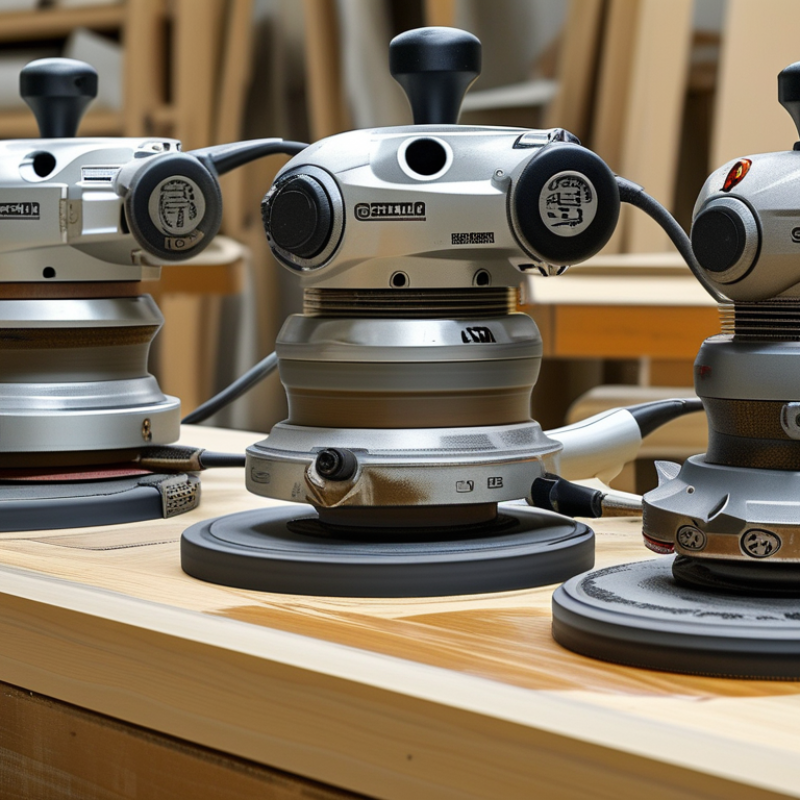
When choosing a sander, understanding the different types and their functions is essential. There are several common types of sanders, including belt sanders, orbital sanders, and detail sanders. Each type serves a unique purpose.
Belt sanders efficiently remove material quickly, making them ideal for large surfaces. However, they can be aggressive and may require skill to avoid damage.
Orbital sanders are user-friendly and great for finishing work. They produce a smooth surface but may be slower. People often underestimate their effectiveness.
Detail sanders, on the other hand, excel in tight spaces. They help in precision work, but their small pads mean they don’t cover large areas quickly. It’s important to remember that while these machines have clear strengths, they can also cause user fatigue.
Selecting the right sander involves balancing power and precision. Consider the projects you plan to tackle. Be aware of your skill level and comfort with operating power tools. Each type of sander has its learning curve. Sometimes, practical experience reveals what specific features you truly need. The right choice can transform your woodworking projects, but there’s always room for improvement in technique and approach.
Identifying Your Project Needs: Selecting the Right Sander Type
When selecting a sander for your project, consider the material you'll be working with. Different materials require different sanders. For wood, a belt sander is effective for heavy stock removal. If you're finishing furniture, an orbital sander offers a smoother finish. Knowing your project's demands will save you time and effort.
Think about the scale of your work as well. Small projects might only need a palm sander, while larger, more involved tasks might require a floor sander. The ease of handling each type of sander can affect your comfort and efficiency. Always reflect on what will work best for you, even if it means choosing a more specialized tool.
Sometimes, it can be hard to choose between options. A friend’s recommendation may not suit your needs. It's essential to balance expert advice with personal experience. Not every sander will meet your expectations. Trying out different types can lead to a better understanding and may even reveal preferences you didn't know you had.
Considering Power and Speed: Key Specifications to Evaluate
Choosing the right sander machine requires careful evaluation of specific features. Power and speed are crucial factors that significantly impact the machine's efficiency and results. For instance, a sander with an engine ranging from 2 to 5 amps typically offers sufficient power for most tasks. A common mistake is selecting a sander solely based on appearance instead of performance specifications.
Speed is vital as well. Most sanders operate at varying speeds, typically between 10,000 to 20,000 oscillations per minute (OPM). A higher speed means faster sanding, but it can lead to uneven surfaces if not controlled properly. According to data from the American Woodworking Federation, nearly 30% of users experience challenges with surface finishing due to improper speed settings. Understanding the balance between speed and quality is key to achieving desired results.
Consider also the weight of the sander. Heavier models may offer stability but can cause fatigue during extended use. A lighter sander might provide better maneuverability but may lack power. Each project requires a different approach, and reflecting on past experiences can inform future choices. Evaluating these specifications aligns with the industry's best practices for optimizing performance and achieving professional-quality finishes.
How to Choose the Right Sander Machine for Your Needs?
| Sander Type |
Power (Watts) |
Speed (RPM) |
Weight (lbs) |
Best For |
| Belt Sander |
750 |
800 - 1200 |
6.5 |
Large surfaces |
| Orbital Sander |
300 |
12,000 - 14,000 |
3.5 |
Final finish |
| Random Orbital Sander |
400 |
10,000 - 12,000 |
5.0 |
Versatile sanding |
| Detail Sander |
200 |
11,000 - 12,000 |
2.0 |
Tight spaces |
| Disc Sander |
600 |
3,500 - 4,500 |
5.5 |
Flat surfaces |
Assessing Ergonomics and Usability: Comfort and Control in Sanding
When choosing a sander machine, ergonomics and usability are paramount. A comfortable grip allows prolonged use without fatigue. Look for sanders with handles that fit well in your hand. Shapes and textures can greatly influence control. A soft rubber grip can absorb vibrations, making longer tasks feel easier.
Consider the weight of the sander. A lightweight model is easier to maneuver, reducing strain on your arms and wrists. However, some users may find stability in heavier models. It’s essential to test the balance before making a decision. Reflect on your own experience; discomfort during sanding can lead to poor results.
Another aspect to think about is the ease of use. Sanding should feel intuitive. Most machines have settings that allow for variable speed control. This feature can help you adapt to different materials. Ensure the controls are accessible and simple. A good sander should enhance your ability, not add frustration. Remember, the best choice is one that feels right in your hands.
Budgeting for Your Sander: Cost Considerations and Options
When budgeting for your sander machine, start by identifying your needs. A casual DIYer may not require a high-end model. Basic sanders are affordable and efficient for small projects. Yet, professionals should consider investing in premium options. Quality often correlates with performance and longevity.
Evaluate your usage frequency. If you’ll be using the sander often, higher initial costs can pay off in durability. Look for machines that offer various attachments and features. This versatility can help expand your project options without breaking the bank.
Consider your workspace and storage. A compact sander is often ideal for limited spaces. However, if you have room for larger machinery, investing in a more powerful model could be beneficial. Reflect on your project goals to ensure your budget aligns with your ambitions.
Prioritize essential features that cater to your specific tasks, weighing your options carefully.