What is an Automatic Chamfer Machine and How Does it Work?
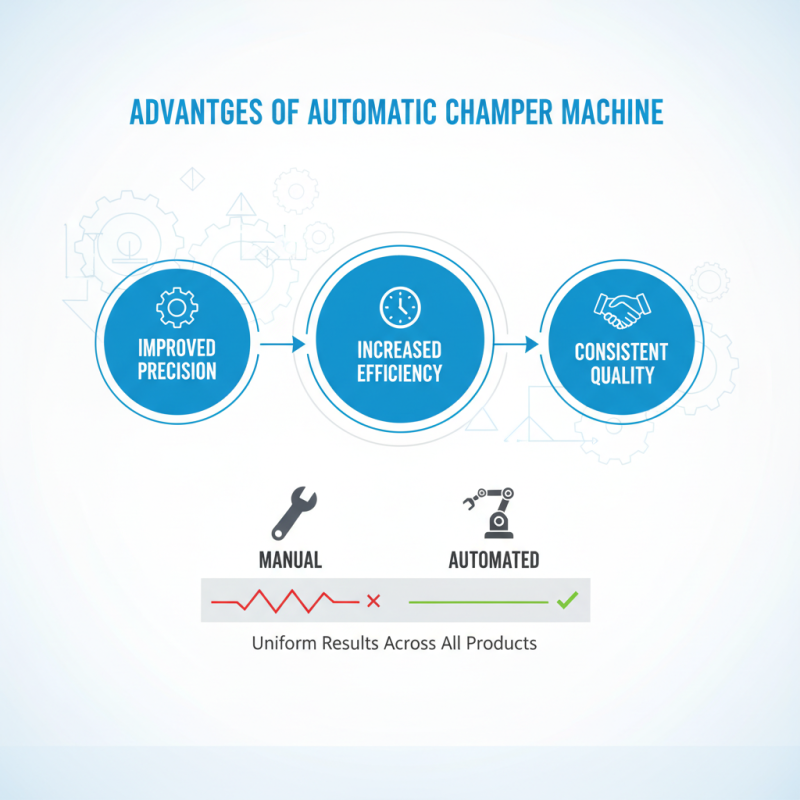
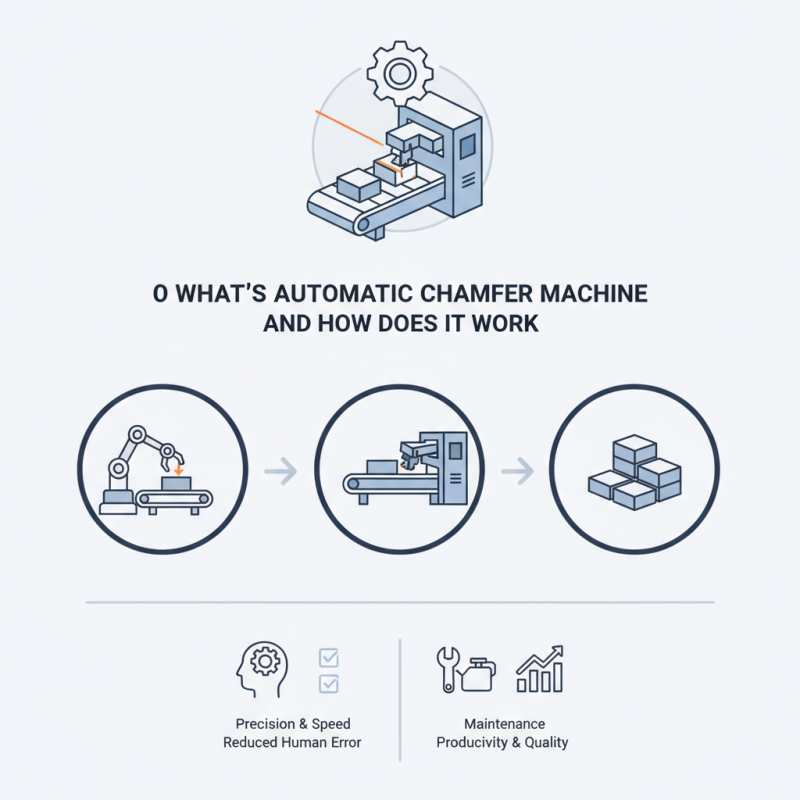
An Automatic Chamfer Machine is an advanced tool that streamlines the process of chamfering. It is crucial in manufacturing and construction. This machine takes precision and speed to a new level. By using automated technology, it reduces human error significantly. With its ability to create uniform chamfers, it enhances the quality of finished products.
Understanding how an Automatic Chamfer Machine works is essential for professionals in the industry. It operates by efficiently trimming sharp edges on materials. These machines are user-friendly, yet their mechanics can be complex. The interaction of cutting tools and automated systems is fascinating. Even experienced users may find aspects that require deeper reflection.
Many companies rely on these machines for productivity. However, it is vital to maintain them properly. Neglect can lead to inconsistent results. Each machine has its specific settings and requirements for optimal operation. Exploring these details can improve efficiency and output quality.
What is an Automatic Chamfer Machine?
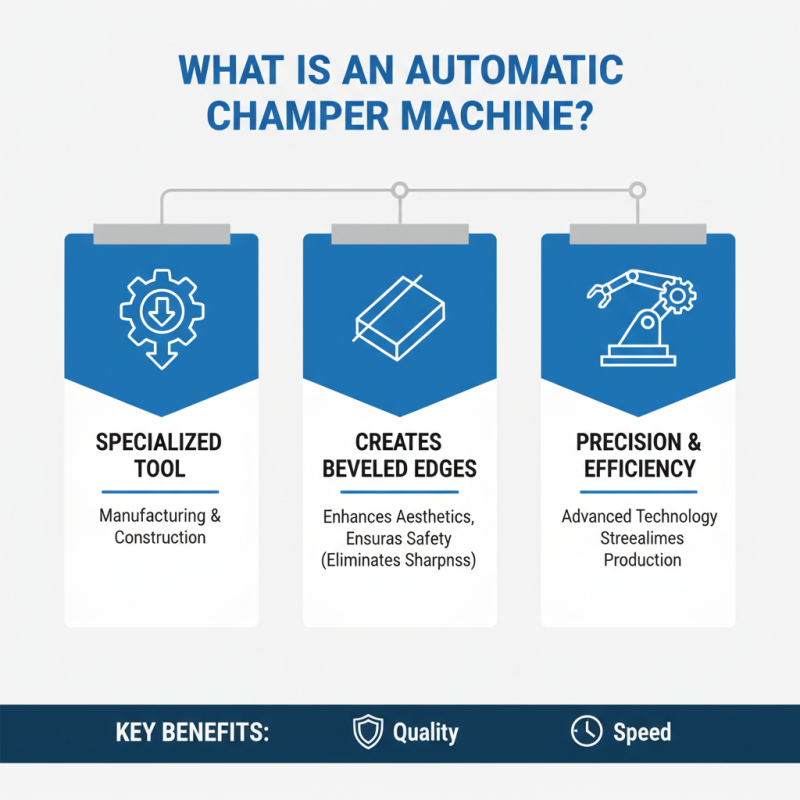
An automatic chamfer machine is a specialized tool used in manufacturing and construction. It is designed to create a beveled edge on a workpiece. This process enhances aesthetics and ensures safety by eliminating sharp edges. The machine operates with precision, employing advanced technology to streamline production.
In recent reports, the global chamfering machine market is projected to grow significantly. It's estimated to reach $300 million by 2025, demonstrating a compound annual growth rate (CAGR) of 5.6%. This growth is driven by increasing demands for efficiency and precision in machining processes. Automation reduces labor costs and enhances output quality.
However, challenges exist in the usage of automatic chamfer machines. Operators must be skilled to adjust settings for different materials. Misalignment can lead to poor chamfers or wasted materials. Continuous training and reflection on operational practices are crucial to avoid these issues. Emphasizing proper setup and maintenance can improve machine performance substantially.
Key Components of an Automatic Chamfer Machine
Automatic chamfer machines are essential tools in modern manufacturing. They are designed to create precise beveled edges on various materials. The key components of these machines contribute significantly to their efficiency and effectiveness. Understanding these parts is crucial for operators and engineers alike.
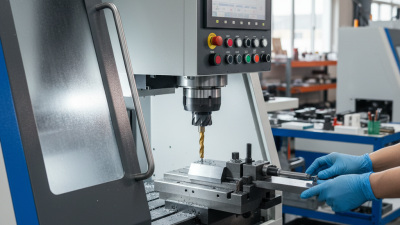
The cutter head is one of the primary components. It houses the tooling that shapes the edges. Recent studies indicate that a well-designed cutter head can improve cutting speed by up to 30%. Another important component is the feed system, which controls the material's movement through the machine. A reliable feed system ensures consistent chamfer depth and improves overall accuracy. This consistency is vital; variance can lead to costly rework.
Lastly, the control system governs machine operations. Many advanced models feature integrated software that allows real-time adjustments. A recent industry report highlighted that automation in chafing processes reduces error rates by approximately 25%. However, integrating technology can sometimes lead to challenges such as system compatibility and training for operators. These aspects require ongoing reflection and adaptation within manufacturing settings.
Principle of Operation for Chamfering Processes
Automatic chamfer machines are essential tools in manufacturing. They streamline the chamfering process, which creates a beveled edge on materials. This process enhances the appearance and functionality of parts. With precision, these machines remove sharp edges effectively.
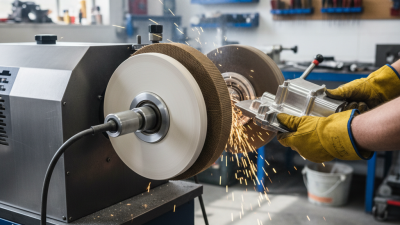
The principle of operation relies on rotating tools. These tools efficiently grind or cut into the material's corner. The machine is equipped with adjustable settings. Operators can customize the depth and angle of the chamfer. This flexibility allows for various applications, from metal to plastic.
Tips: Always maintain your machinery for optimal performance. Regularly check the tool sharpness and calibration settings. Inadequate maintenance may lead to uneven chamfers. It’s crucial to observe the machining process closely. Sometimes, the settings might need tweaking based on material type. Understand that even skilled operators face challenges. Adjusting to different materials can result in unexpected outcomes.
Applications of Automatic Chamfer Machines in Industries
Automatic chamfer machines play a crucial role in modern manufacturing. These machines are designed to create precise, consistent bevels on various materials. Industries like automotive and aerospace greatly benefit from this technology. High-quality chamfers are essential for components that require effective assembly and improved surface finish.
According to a report by Grand View Research, the global market for chamfering machines is expected to grow significantly, with a projected CAGR of 4.5% from 2021 to 2028. This growth highlights the increasing demand for automation in manufacturing processes. Companies that adopt automatic chamfer machines often report enhanced production efficiency and reduced labor costs. In sectors requiring high precision, such as semiconductor manufacturing, accuracy is paramount.
The integration of these machines can lead to challenges. Operators may require specific training to handle complex programming. Additionally, inconsistent material properties can impact chamfering effectiveness. Regular maintenance is also essential to avoid downtimes. Despite these hurdles, the advantages of using automatic chamfer machines in industries remain evident. Enhanced quality and reduced production times often outweigh potential drawbacks.