2026 Best Polish Machines For Global Buyers Needs?
In the ever-evolving industry of Polish Machines, understanding the right equipment is crucial for global buyers. Experts highlight the significance of adapting to market needs. Renowned industry specialist, Dr. Alan Kowalski, who has over two decades of experience in machinery production, emphasizes, "The right Polish Machines can transform a buyer's operational capabilities."
For buyers, selecting the best technology is a complex journey. Different polishing machines cater to various needs, from automotive to electronics. With the rising demand for efficiency and precision, buyers often grapple with choices. A common challenge is ensuring reliability in machine performance, which can greatly affect production outcomes.
Evaluating the latest innovations in Polish Machines is essential. Trends shift rapidly, placing pressure on buyers to stay informed. Many find themselves overwhelmed by the options available. Reflecting on these nuances can provide valuable insights and lead to better decision-making processes. Investing time in research is vital to avoid costly mistakes in purchasing the wrong equipment.
Overview of Polish Machine Types and Their Applications
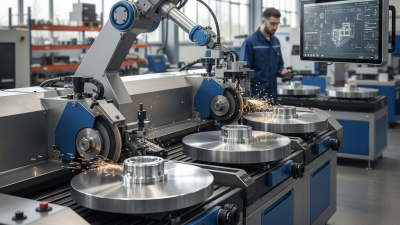
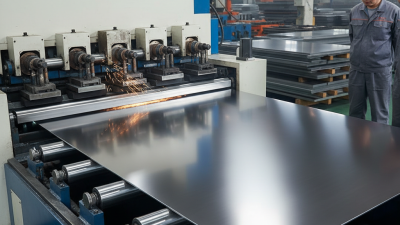
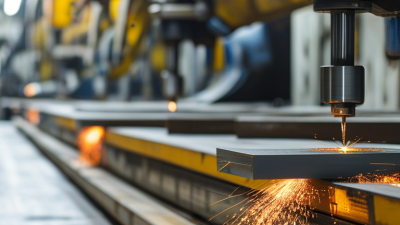
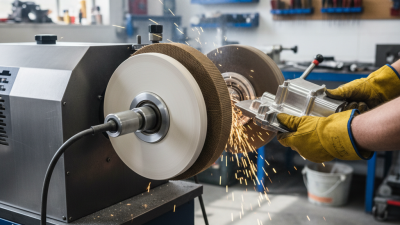
Polish machines are essential in various industries. They serve multiple purposes, from enhancing the appearance of product surfaces to increasing functional efficiency. Various types of polish machines are available, each designed for specific applications. For example, vibratory polishers are popular in metalworking, while orbital polishers are preferred in automotive detailing. Understanding the unique features of each type can significantly impact results.
Different industries require different machines. The woodworking sector often uses belt sanders with polishing attachments. This combination achieves a smooth finish on wood surfaces, catering to high standards. In contrast, glass polishing machines focus on precision and clarity. It’s crucial to assess the specific needs before selecting a machine. Some machines might not deliver the anticipated results in certain applications, leading to dissatisfaction.
Moreover, buyer experiences reveal that features like speed control and dust extraction are often overlooked. New buyers might choose machines based solely on brand reputation rather than functionality. This could lead to inefficient processes. Careful consideration of each machine's capabilities is critical. Investing in the right technology can yield significant long-term benefits.
Key Features to Consider When Selecting Polish Machines
When selecting polish machines, several key features demand attention.
Efficiency is paramount. A high RPM rating ensures quicker surface finishing. Versatility is also vital. Choose machines that can adapt to various materials and tasks. This adaptability can save time and reduce the need for multiple tools.
Durability matters too. Machines made from robust materials often offer extended lifespans, reducing the need for replacements. User-friendly designs enhance safety and ease of operation. Consider machines with adjustable settings to meet different project needs. Comfort while using the machine can prevent fatigue during long hours of work.
Cost is often a significant factor. While higher prices might suggest better quality, it’s essential to evaluate the value for money. Cheaper machines might seem appealing but could lack reliability. Therefore, finding the right balance between cost and quality is critical in making an informed choice.
Regular maintenance also plays a role in the longevity of polish machines and should guide your purchasing decision.
Top Polish Machines in 2026 for Diverse Industries
In 2026, the demand for polish machines across various industries has surged. A recent industry report highlights that the global polish machine market is projected to grow at a compound annual growth rate (CAGR) of 7.2%. This indicates a strong interest from manufacturers in enhancing product finishes, particularly in automotive and electronics sectors. The need for precision in polishing processes has become crucial as businesses strive for higher quality standards.
Diverse industries are increasingly adopting advanced polish machines. The construction sector, for instance, now utilizes machines that provide different finish options for various materials. This versatility addresses the need for aesthetic appeal and functionality. Professionals emphasize that while technology improves efficiency, it can lead to quality inconsistencies if not properly managed. Many enterprises are still grappling with the balance between speed and quality, highlighting areas that require introspection.
Additionally, innovations such as automated polishing solutions are gaining traction. These machines improve workflow and reduce labor costs, but they also pose a challenge. Some manufacturers report difficulties in training staff to use new technologies effectively. Though these machines promise significant productivity boosts, the learning curve remains a notable hurdle for many. Addressing these complexities will be essential for companies looking to thrive in this evolving landscape.
Assessment of Global Buyers' Requirements for Polish Machines
The demand for polish machines has been rising among global buyers. As industries continue to evolve, understanding their specific requirements becomes crucial. Buyers are looking for machines that enhance efficiency and provide superior results. Features like user-friendliness, durability, and versatility often top the list.
The right polish machine should adapt to various tasks. Users want devices that can perform both light and heavy-duty polishing. They seek machines that can handle different materials, ensuring maximum productivity. Buyers also emphasize the importance of energy efficiency. Machines that consume less power while offering high performance are becoming increasingly desirable.
Here are a few tips for potential buyers. Explore user reviews to gauge real-world performance. Consider the maintenance and availability of spare parts. Look for machines that offer good after-sales service. Quality should never be compromised, as investing in a reliable machine pays off in the long run. Making an informed decision involves reflecting on your unique needs and the specific tasks at hand.
2026 Best Polish Machines for Global Buyers Needs
Future Trends in Polish Machine Technology and Global Trade
In the evolving landscape of polish machine technology, future trends are shaping global trade. The rise of automation is transforming how polishing processes are carried out. Machines are now smarter, integrating AI to optimize operations. This results in faster production and increased efficiency. Buyers seek reliable machines that promise high-quality finishes with minimal human intervention.
Sustainability is becoming a crucial factor in machine design. Manufacturers face pressure to create eco-friendly products. This includes using recyclable materials and reducing energy consumption. However, the industry grapples with balancing cost and sustainability. Advanced features can escalate prices, raising concerns for budget-conscious buyers.
Additionally, the global supply chain is experiencing disruptions. These challenges require manufacturers to rethink their sourcing strategies. Local production may become more attractive to mitigate risks. Nonetheless, investments in advanced technologies may not always yield immediate returns. A shift towards innovation demands patience and continual evaluation of market needs.