How to Choose the Right Flat Sheet Polishing Machine for Your Needs?
Choosing the right Flat Sheet Polishing Machine can significantly impact your production quality. Industry expert Dr. James Worth stated, "Selecting the right machine is crucial for efficiency and finish." A polished flat sheet reflects not just quality but also innovation.
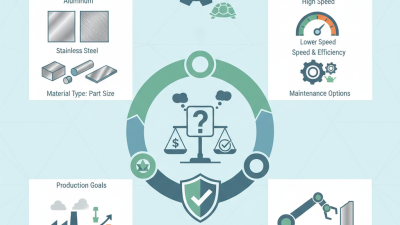
When evaluating options, consider factors like material type, sheet size, and desired finish. Each Flat Sheet Polishing Machine offers unique features. However, what fits one operation may not meet another's needs. Striking the right balance between machine capabilities and production goals can be challenging.
Understanding your specific requirements is essential. Don't overlook the importance of maintenance and support. It's vital to select a machine that comes with reliable after-sales service. Investing time in research can prevent costly mistakes. Keep in mind that the best choice is not always the most expensive one. Reflect on past experiences with machinery to better inform your decision.
Understanding Flat Sheet Polishing Machines and Their Functions
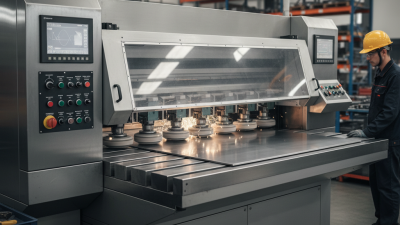
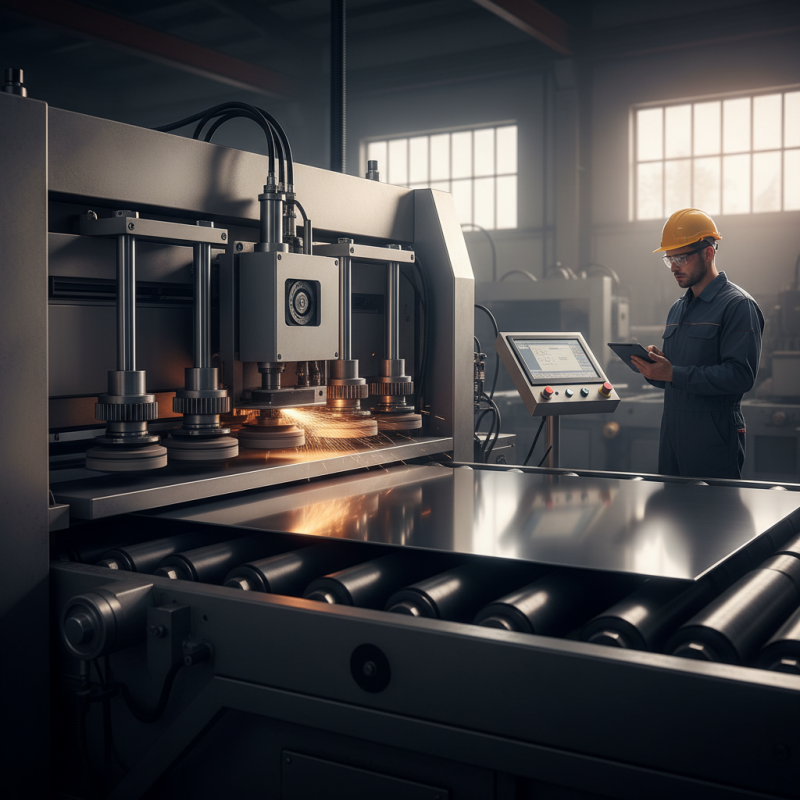
Flat sheet polishing machines are essential for achieving a smooth finish on various surfaces. They are commonly used in woodworking, metalworking, and even stone fabrication. Understanding how these machines function can help users choose the right model for their specific needs.
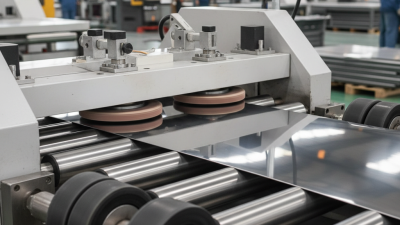
These machines typically use abrasive pads or belts to polish materials. The choice of abrasives can greatly impact the finish quality. Coarse abrasives remove material quickly, while finer ones produce a high-gloss shine. Users must experiment to find the right balance of grit size. The process can affect the time and effort required for a satisfactory result.
Flat sheet polishing machines come with varying features. Some machines are designed for heavy-duty use, while others are more suited for lighter tasks. Noise and vibration levels can vary significantly, which may influence comfort during use. Potential buyers should reflect on their specific applications and consider if portability is essential.
Not every machine suits all materials, making it crucial to research compatibility before making a decision.
Key Factors to Consider When Selecting a Polishing Machine
When choosing a flat sheet polishing machine, several key factors should be considered. The capacity of the machine is crucial, as it dictates how much material can be processed. A machine's power output, usually measured in horsepower, impacts overall efficiency. According to industry reports, machines with higher horsepower tend to produce smoother finishes and require less time for processing, enhancing productivity.
Material compatibility is another essential factor. Different polishing machines are designed for varying materials, including metals, wood, and plastics. For example, polishing aluminum sheets may require specific pad types and speeds. Research indicates that selecting the right machine for specific materials can improve the longevity and quality of both the equipment and the finished product.
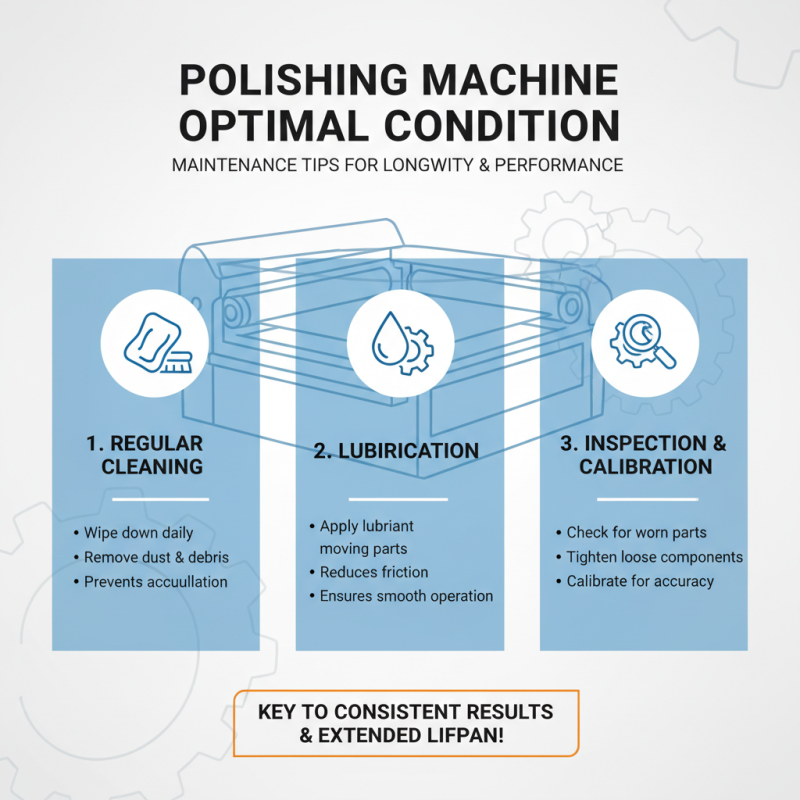
Tips: Pay attention to machine dimensions. Ensure the machine fits your workspace while allowing for proper vibration and heat dissipation. Frequent maintenance can extend the lifespan of your polishing machine. Evaluate the warranty and service options available, as these may reflect the manufacturer's confidence in their product's durability. Remember that the initial investment should align with long-term quality and operational needs.
How to Choose the Right Flat Sheet Polishing Machine for Your Needs? - Key Factors to Consider When Selecting a Polishing Machine
| Feature |
Importance |
Options |
| Motor Power |
Critical for performance |
1 HP, 2 HP, 3 HP |
| Polishing Speed |
Affects finish quality |
500 RPM, 1000 RPM, Variable Speed |
| Size of Work Table |
Determines material size capability |
2ft x 4ft, 4ft x 8ft |
| Ease of Use |
Impacts training and operation |
Manual, Semi-Automatic, Fully Automatic |
| Maintenance Requirements |
Affects long-term costs |
Low, Moderate, High |
| Price |
Budget consideration |
$500 - $2000 |
Comparing Different Types of Flat Sheet Polishing Machines
When exploring flat sheet polishing machines, it's essential to compare the available types. There are three main categories: manual, semi-automatic, and fully automatic machines. Each type serves different operational needs and production scales.
Manual machines offer precision for small tasks. They require skilled operators. This direct involvement can lead to higher quality finishes. However, the productivity may not meet larger-scale demands. According to industry standards, manual machines might achieve a polish rate of 80 square meters per hour. This rate is solid for small workshops but lacks efficiency for mass production.
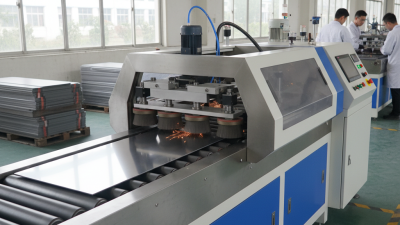
In contrast, semi-automatic machines strike a balance. They streamline operations while requiring some manual input. These machines can polish up to 200 square meters per hour. This could fit medium-sized enterprises. Fully automatic machines represent the pinnacle of efficiency. They can reach up to 500 square meters per hour, relying on advanced technology to maintain consistency. However, the upfront cost can be significant, and not all operations may warrant that investment.
In summary, understanding the trade-offs between manual, semi-automatic, and fully automatic machines is vital. Analyzing production volume, budget constraints, and desired finish quality will guide your choice effectively.
Comparison of Different Types of Flat Sheet Polishing Machines
Budgeting for Your Flat Sheet Polishing Machine Purchase
When budgeting for a flat sheet polishing machine, understanding your needs is essential. Different machines vary in price and capability. Begin by identifying the specific tasks you will perform. Are you polishing large volumes, or is it for smaller projects? This will guide your financial plan.
Consider the upfront costs and long-term maintenance. A cheaper machine might save you money initially. However, it could lead to frequent repairs and downtime. High-quality machines often come with warranties and reliable customer support. Budget for these factors in the long run.
It’s also wise to account for operational costs. These can include electricity, replacement parts, and polishing materials. Some users underestimate these expenses, leading to budget overruns. Create a detailed breakdown of your potential costs. Reflect on how often you’ll use the machine. This helps you avoid overspending on unnecessary features. Balancing quality with your budget is important for making an informed decision.