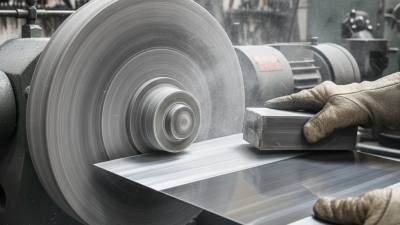
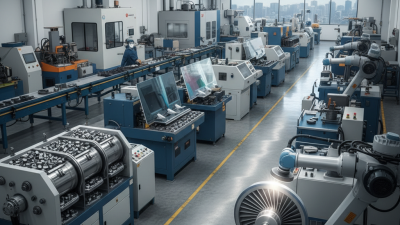
Choosing the right Metal Grinding Machine in 2026 requires more than comparing motor power and purchase prices. The best choice depends on your material, workload, finish requirements, workspace, and operator skill. A compact bench grinder may suit occasional deburring, while a belt grinder or industrial surface grinder can support heavier production demands. Each design creates different heat, dust, vibration, and maintenance concerns.
Small details matter.
This buying guide examines wheel size, spindle speed, abrasive compatibility, table stability, cooling options, guarding, and dust extraction. It also considers practical issues, such as replacement parts, warranty coverage, service access, and manufacturer documentation. Reliable product evaluation should include published specifications, recognized safety requirements, and verified user feedback. Never treat an impressive power rating as proof of superior performance. Higher power can increase heat and surface damage when control is poor. That is an easy mistake.
A careful buyer should inspect the machine in use, if possible. Listen for unusual bearing noise. Check whether the work rest adjusts smoothly. Confirm that guards remain secure during operation. Review emergency-stop access before judging convenience. A safer machine often saves more money than a cheaper machine with frequent downtime. Still, no guide can predict every workshop condition. Abrasive wear, operator technique, and material hardness may change real results. Leave room for testing and honest reassessment. The ideal machine is not always the most powerful model; it is the one that delivers consistent results, safe control, and dependable support for your actual work.
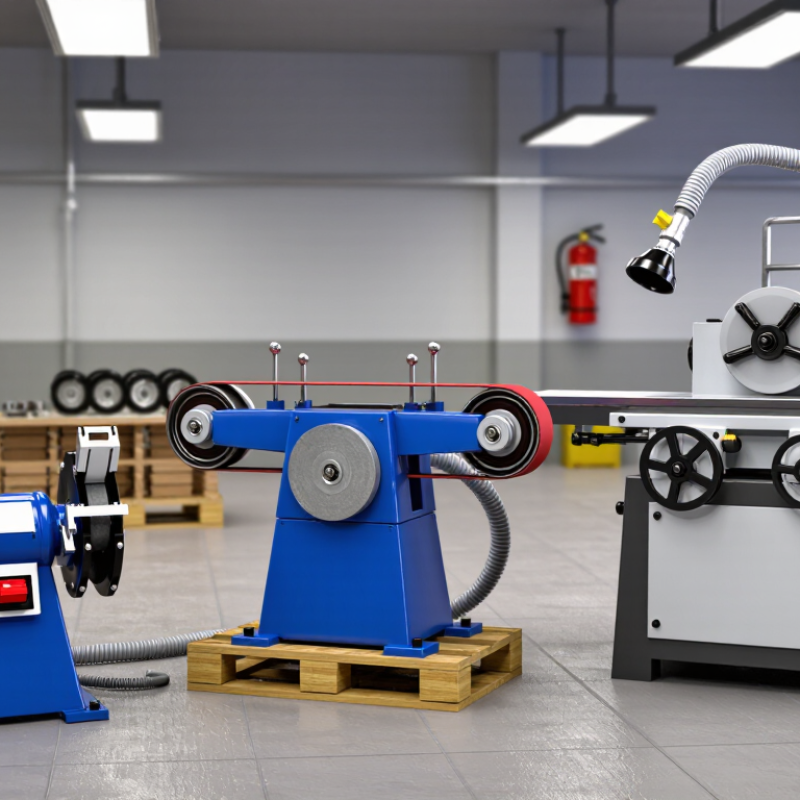
Metal grinding machines remove material, refine surfaces, and prepare parts for welding or coating. Belt grinders suit fast stock removal and smooth finishing. Bench grinders handle small components, deburring, and tool maintenance. Angle grinders offer mobility, while surface grinders deliver controlled flatness on larger workpieces.
Industrial applications vary widely. Fabrication shops often grind weld beads from steel frames. Maintenance teams use compact machines to clean rust and sharpen tools. Automotive and machinery plants may require surface grinding for tight tolerances. Wheel hardness, abrasive type, motor power, table movement, and dust control affect results. Excessive pressure can overheat metal, weaken edges, and shorten wheel life. I have seen operators chase speed and create uneven surfaces. That mistake is easy to repeat.
Tips: Match the abrasive to the metal. Use guards, eye protection, hearing protection, and suitable ventilation. Check wheel condition before every shift. Keep sparks away from flammable materials. Record vibration, noise, and finish quality during testing. A machine can look productive yet perform poorly under continuous loads. Leave room for operator feedback, because real workshop conditions often expose weaknesses that product specifications miss.
2026 Best Metal Grinding Machine Buying Guide?
Key Specifications to Compare Before Choosing a Grinding Machine
The global grinding machine market is projected to reach about USD 7.4 billion by 2028, according to the MarketsandMarkets Metal Cutting Machine Tools report. Growing demand does not make every machine suitable. Compare spindle power, wheel speed, table travel, and maximum workpiece size. A larger motor is not automatically better. Excess power can increase heat, vibration, and operating costs.
Check positional accuracy and repeatability under real cutting loads. ISO 21920 provides a useful reference for surface texture measurement, but suppliers should also provide test results. Ask for grinding tests using your material, wheel type, and target tolerance. A printed specification sheet is not enough. Coolant flow, filtration, and temperature control deserve equal attention. Poor coolant management can damage surface quality and shorten wheel life. Small details matter.
Automation may improve consistency. The International Federation of Robotics reported 541,302 industrial robot installations worldwide in 2023, showing continued investment in automated production. However, automation adds sensors, software, and maintenance requirements. Review loading time, probing accuracy, fault recovery, and operator training. In practical evaluations, machine rigidity often matters more than headline speed. That point is easy to miss. Also inspect guarding, dust extraction, noise levels, and electrical requirements. A quieter, stable machine may deliver better results than a faster one. My only reservation is simple: published accuracy can change after installation. Require an acceptance test on your floor.
2026 Best Metal Grinding Machine Buying Guide
Matching a grinding machine to the task starts with material, tolerance, and removal rate. For hardened steel shafts, choose a cylindrical grinder with rigid workholding and precise wheel control. Surface grinders suit flat plates, dies, and mold components. Internal grinders need compact wheels and stable spindle alignment for bores. They are not interchangeable.
The 2024 Grand View Research assessment valued the global grinding machinery market at approximately USD 5.8 billion. It also forecasts continued growth through 2030, driven by tighter manufacturing tolerances and automation. That trend matters. A low-cost machine may create higher costs through rework, wheel waste, and operator adjustments. According to the U.S. Department of Energy, industrial motor systems can account for a large share of plant electricity use, so spindle efficiency deserves attention.
Start with the job envelope. Measure workpiece length, diameter, hardness, and required surface roughness. For heavy stock removal, select higher power and coolant capacity. For finishing, prioritize spindle stability, dressing accuracy, and vibration control. A 20-micron tolerance changes the purchase decision.
Do not trust catalog numbers alone. My first selection mistake was treating maximum wheel size as usable capacity. Real fixtures reduced access. Test a representative part, record cycle time, temperature, wheel consumption, and operator handling. The test may expose an uncomfortable truth: the most advanced machine can be the wrong machine for a simple task.
Match the grinding machine to the task by considering the typical achievable surface roughness range. Lower Ra values indicate a smoother finished surface.
Rough grinding is suited to high stock removal, while cylindrical, surface, and tool grinding machines are selected when tighter dimensional control and lower surface roughness are required. Actual results depend on material hardness, wheel specification, feed rate, coolant, and machine rigidity.
2026 Best Metal Grinding Machine Buying Guide?
A safe metal grinding machine starts with a complete guard, a stable base, and a clearly marked emergency stop. The wheel guard should cover the exposed wheel area and direct fragments away from the operator. Check the wheel for cracks before every shift. A light tap can reveal damage, but visual inspection remains essential. Never install a wheel rated below the machine’s maximum speed. Match the wheel type to the metal and grinding task.
Wear impact-rated eye protection and a face shield during operation. Use hearing protection, fitted work clothing, and sturdy footwear. Loose sleeves are dangerous. Keep gloves away from rotating parts unless the machine procedure specifically permits them. Secure small workpieces with suitable clamps instead of holding them near the wheel. Stand slightly to one side during startup, because a damaged wheel may fail immediately.
Good ventilation helps control airborne dust and sparks. Remove flammable materials from the spark path, especially near benches and storage shelves. Operators need training on wheel changes, adjustment, emergency stopping, and lockout procedures. Inspect the tool rest regularly; an excessive gap can pull a workpiece into the wheel. Maintenance records should include wheel changes, guard checks, and unusual vibration. A checklist may feel excessive, but skipped checks are often remembered too late. Even experienced users can become careless near the end of a long shift.
| Buying or Operating Dimension | Recommended Requirement | How to Verify | Main Safety Benefit |
|---|---|---|---|
| Machine Type | Select a bench grinder for fixed shop work, a pedestal grinder for heavier floor-mounted use, or an angle grinder for portable cutting, grinding, and finishing. | Match the machine configuration to the workpiece size, material, required mobility, and duty cycle. | Reduces misuse, unstable workholding, and unsuitable operating conditions. |
| Rated Power and Duty Cycle | Choose sufficient motor power for the intended wheel diameter and material removal rate. Confirm whether the motor is rated for continuous or intermittent operation. | Check the nameplate, technical manual, motor current rating, and duty-cycle specification. | Helps prevent motor overheating, stalling, and premature component failure. |
| Wheel Diameter and Speed | The wheel or disc diameter and maximum operating speed must be compatible with the machine. The abrasive wheel’s maximum RPM must not be lower than the grinder’s spindle speed. | Compare the machine nameplate and abrasive-wheel markings before installation. | Prevents wheel overspeed, bursting, and high-energy fragment ejection. |
| Wheel Guard | Use a securely mounted guard that covers the required portion of the wheel and directs fragments away from the operator. Never operate with a missing, cracked, or incorrectly adjusted guard. | Inspect the guard for cracks, secure fasteners, correct clearance, and unobstructed adjustment. | Limits exposure to the rotating wheel and contains fragments if a wheel fails. |
| Work Rest | For bench and pedestal grinders, keep the work rest close to the wheel; OSHA guidance commonly specifies a gap of no more than 1/8 inch. | Measure the gap after adjustment and recheck it as the wheel wears. | Reduces the chance of a workpiece becoming trapped between the wheel and rest. |
| Tongue Guard or Upper Peripheral Guard | Where fitted, maintain the adjustable tongue guard close to the wheel; OSHA guidance commonly specifies a maximum gap of 1/4 inch. | Inspect the gap and locking hardware before use and after wheel adjustment. | Helps contain sparks and wheel fragments at the upper opening. |
| Eye and Face Protection | Wear impact-rated safety glasses with side protection. Use a face shield over safety glasses when substantial sparks, chips, or fragments may be produced. | Confirm that eye protection is impact-rated and in good condition; face shields do not replace safety glasses. | Protects against flying particles, sparks, and fragments. |
| Respiratory and Dust Control | Use local exhaust ventilation or a suitable dust-collection system where grinding generates airborne metal or coating dust. Select respiratory protection through a documented hazard assessment. | Check airflow, collection capacity, filter condition, and the safety data sheet for the material or coating. | Reduces inhalation exposure and combustible-dust accumulation. |
| Abrasive Wheel Inspection | Inspect wheels for cracks, chips, moisture damage, or deformation. For applicable vitrified wheels, perform a ring test when required by the manufacturer and applicable rules. | Inspect under adequate lighting and reject any wheel with visible damage or uncertain history. | Identifies damaged abrasives before high-speed operation. |
| Correct Wheel and Disc Selection | Match the abrasive type, grade, bond, thickness, and application to the metal and task. Use discs only for the operation stated on their markings. | Review the product label, technical data, and manufacturer instructions before mounting. | Prevents incorrect loading, disc failure, poor cutting performance, and excessive heat. |
| Flanges, Blotters, and Spindle | Use compatible, undamaged flanges and required blotters. Keep the spindle, arbor, and mounting surfaces clean; tighten only as specified. | Check for distortion, wear, contamination, and correct mounting orientation. | Promotes even clamping and reduces vibration or wheel damage. |
| Emergency Stop and Controls | Provide clearly identifiable, readily accessible stop controls. Portable tools should have a functioning trigger or switch and appropriate restart protection where specified. | Test the stop function before work and verify that power does not restart unexpectedly after interruption. | Allows rapid shutdown during entanglement, wheel damage, or loss of control. |
| Electrical Protection | Use proper grounding or double insulation, correctly rated wiring, overload protection, and a residual-current or ground-fault device where required by the installation. | Have electrical protection inspected by a qualified person; do not use damaged cords or plugs. | Reduces electric-shock, short-circuit, and fire hazards. |
| Workpiece Handling | Secure small or irregular parts with suitable fixtures. Maintain a firm grip on portable grinders and keep both hands on the tool when the design requires it. | Confirm that the workpiece cannot shift, rotate, or contact the wheel unexpectedly. | Reduces kickback, pinching, and loss of control. |
| Operating Position | Stand to one side during startup and allow the wheel to reach full speed before grinding. Keep bystanders outside the spark and fragment path. | Mark the operating zone and maintain a clear line of escape. | Limits exposure to a wheel failure and uncontrolled workpiece movement. |
| Grinding Pressure and Technique | Use light, steady pressure. Avoid side loading of wheels not designed for it, twisting cut-off discs, forcing the tool, or grinding on the wrong wheel surface. | Follow the abrasive instructions and stop if vibration, binding, glazing, or unusual noise occurs. | Reduces overheating, kickback, wheel damage, and premature wear. |
| Sparks and Fire Prevention | Keep sparks away from flammable liquids, gases, dust, cables, and combustible materials. Use spark deflection and hot-work controls where required. | Inspect the surrounding area before work and provide suitable fire protection for hot-work tasks. | Reduces ignition and fire risk. |
| Noise and Vibration | Use hearing protection when exposure may exceed local limits. Investigate abnormal vibration, wheel imbalance, loose mounts, or worn bearings immediately. | Use workplace noise assessment and visual or measured vibration checks. | Helps prevent hearing damage and mechanical failure. |
| Clothing and Personal Conduct | Wear close-fitting clothing and secure long hair. Remove jewelry and avoid gloves near rotating parts when they could become entangled; follow the task-specific risk assessment. | Check clothing and personal protective equipment before starting. | Reduces entanglement and contact hazards. |
| Training and Authorization | Only trained and authorized operators should use the machine. Training should cover setup, wheel selection, guarding, PPE, hazards, emergency shutdown, and inspection. | Maintain training records and verify operator competency through observation or assessment. | Reduces errors caused by unfamiliarity or unsafe work practices. |
| Lockout and Maintenance | Disconnect and isolate energy before changing wheels, clearing jams, cleaning, or servicing. Follow documented inspection and maintenance intervals. | Verify zero energy before hands-on work and record repairs or part replacements. | Prevents unexpected startup and contact with moving parts. |
| Applicable Safety Frameworks | Use the requirements applicable to the installation location, such as OSHA abrasive-wheel rules, ANSI B7.1 guidance, EN 12413 for bonded abrasives, and local electrical and occupational-safety regulations. | Confirm compliance with the current requirements of the relevant authority and the machine and abrasive documentation. | Supports lawful, consistent, and auditable machine selection and operation. |

2026 Best Metal Grinding Machine Buying Guide?
In 2026, the best metal grinding machine is not simply the fastest model. Its value depends on stable accuracy, predictable service, and sensible automation. Ask for a full maintenance schedule before comparing prices. Check spindle bearings, coolant pumps, filters, guides, and dressing tools. These parts can quietly shape annual operating costs. A low purchase price may hide expensive downtime.
Record how often each component needs inspection or replacement. Request labor estimates, spare-part lead times, and energy data from the supplier. A machine using automatic lubrication may reduce daily checks, but it adds sensors and controls. Those systems need trained technicians. Keep that cost visible. Automation options should match production volume, part variation, and operator skill. Robotic loading is useful for repetitive batches. It may be wasteful for short runs with frequent setup changes.
During a factory visit, watch one complete grinding cycle, including dressing and alarm recovery. Listen for unusual vibration. Inspect the control interface. Can an operator correct a simple offset without calling an engineer? Ask for sample parts and measured tolerances, not polished demonstrations. I would also budget for training, software updates, tooling, coolant disposal, and planned downtime. This is where many buying plans become optimistic. A careful comparison should include five-year ownership costs, not only the invoice.