In metal fabrication, sharp burrs often appear after cutting, punching, laser processing, or shearing. These thin metal fragments can damage hands, scratch finished surfaces, and complicate later assembly. A Steel Deburring Machine removes these imperfections with controlled pressure, helping create smoother and safer edges.
Experienced fabricators know that manual filing works for occasional repairs, but it becomes inconsistent during regular production. An automated machine can process several parts with repeatable results, while reducing fatigue and handling time. The difference is visible. Edges feel cleaner, corners look more uniform, and coating preparation becomes more dependable. Proper abrasive selection remains essential because stainless steel, carbon steel, and galvanized sheets respond differently.
A quality Steel Deburring Machine may also improve workplace organization. Operators spend less time moving parts between tools, and production teams gain a clearer finishing process. However, the machine is not a universal solution. Incorrect belt pressure, excessive speed, or neglected maintenance can round edges unevenly or damage delicate surfaces. That limitation deserves attention. Practical trials, manufacturer guidance, and regular inspection should shape the final equipment choice.
This article examines why deburring machines matter in modern fabrication. It considers productivity, edge quality, operator safety, maintenance, and long-term operating value. Real workshop conditions often reveal more than sales specifications. Wet floors, mixed material thicknesses, and changing batch sizes can influence performance. A careful evaluation helps manufacturers choose equipment that supports reliable results, rather than simply adding another machine to the production line.
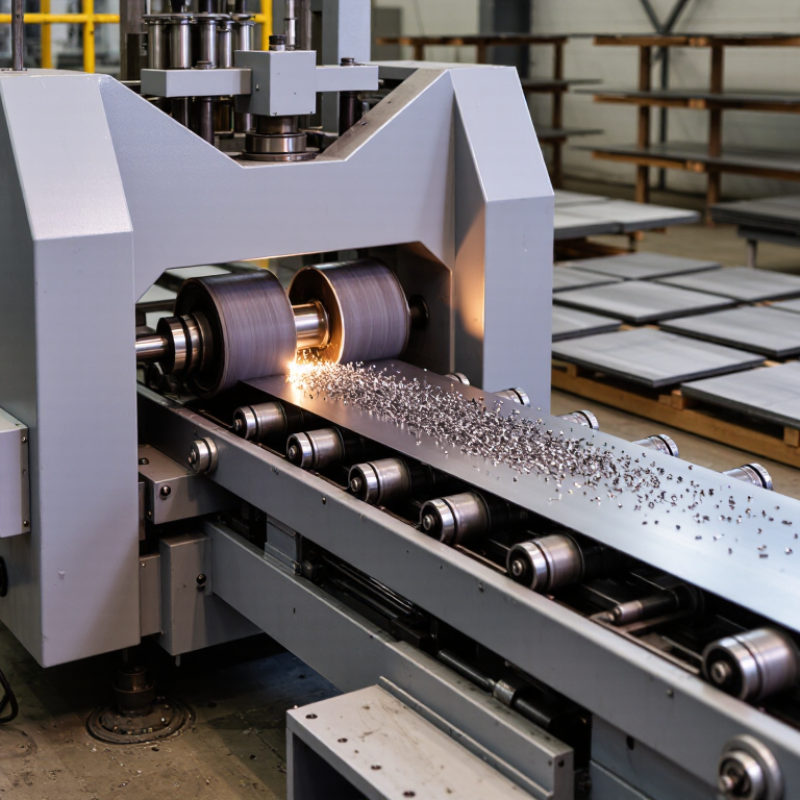
What Is a Steel Deburring Machine?
A steel deburring machine removes sharp edges, burrs, and rough projections from cut metal parts. It may use abrasive belts, brushes, wheels, or rotating tools. In fabrication shops, it often follows sawing, laser cutting, punching, or plasma cutting. The purpose is practical. Clean edges improve part handling, assembly, painting, and coating results.
A typical machine includes a feed table, abrasive unit, dust collection connection, and adjustable controls. Parts move through the system while controlled pressure smooths their edges. Machines can process sheets, plates, tubes, and smaller components, depending on their design. Technicians usually test sample parts before full production. Thickness, steel grade, burr size, and required surface finish all influence the settings. Small parts can shift.
A steel deburring machine also supports more consistent work than manual grinding. It can reduce repetitive strain and help workers avoid accidental contact with sharp edges. However, it is not a universal fix. Excessive pressure may round corners, remove too much material, or create an uneven finish. I have found that rushed setup causes many avoidable defects. Operators should inspect edges, clean abrasive surfaces, and adjust feed speed when results change. A reliable process records these settings and checks finished parts regularly. That discipline matters.
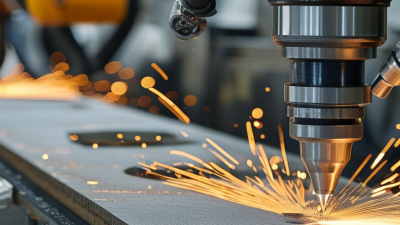
A steel deburring machine removes sharp edges and burrs created during cutting, punching, and machining. Consistent edge finishing improves handling safety, coating quality, and part-to-part consistency.
The chart compares the minimum or commonly specified tensile strength of widely used steels. Higher-strength materials require controlled finishing conditions to avoid inconsistent edge quality and premature abrasive wear.
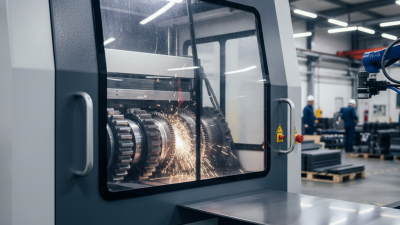
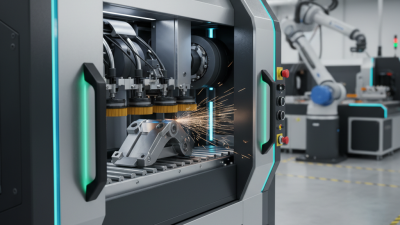
Steel deburring equipment removes sharp edges after cutting, punching, drilling, or laser processing. The machine feeds each steel part through controlled rollers. Abrasive belts, rotating brushes, or milling cutters then contact the exposed edges. Their pressure removes burrs without changing the part’s main dimensions.
Many systems use adjustable heads and variable conveyor speeds. A coarse abrasive handles heavy burrs, while finer brushes smooth the surface. Some machines process both sides in one pass. Dust extraction captures metallic particles, and wet systems can reduce airborne contamination. Sensors help maintain contact when material thickness changes, although setup errors still matter.
The World Steel Association reported 1.888 billion tonnes of crude steel production in 2023. That scale increases demand for repeatable edge finishing. The International Labour Organization estimated 2.93 million work-related deaths globally in 2023. Automated deburring can reduce direct handling, but it does not remove every risk. Operators still need guarding, maintenance checks, and suitable protective equipment. In practical shop trials, excessive belt pressure sometimes rounds corners too aggressively. Slower feed rates may improve consistency, but they can reduce output. A finished edge should be measured, not judged only by touch. Surface roughness tests and visual inspections expose problems that a quick inspection misses.
Why Is Deburring Important in Metal Fabrication?
Metal edges rarely leave cutting or punching operations ready for use. Tiny burrs can remain along holes, corners, and freshly sheared surfaces. These sharp ridges may cut workers, damage seals, or interfere with accurate assembly. In practical workshops, even a thin burr can change how two parts sit together. It can also loosen during service and contaminate nearby mechanisms. Deburring removes these unwanted projections and creates a more controlled edge condition. That condition supports safer handling and more consistent fabrication results.
A steel deburring machine helps standardize this step across repeated parts. Abrasive brushes, belts, or rotary tools can reach edges with steady pressure. Consistent contact reduces the uneven finish often caused by rushed manual filing. It can improve coating adhesion by removing loose fragments and sharp raised metal. It also makes inspection easier because edge quality becomes more uniform. Operators should match abrasive action to steel grade, thickness, and required edge radius. Excessive pressure can round corners, expose heat marks, or remove more material than intended.
Experience shows that deburring is not simply a cosmetic operation. Inspectors often check touch safety, hole fit, surface condition, and remaining burr height. A bright edge may still hide a small burr inside a hole. That is where assumptions fail. Machine settings need trial pieces and periodic checks. Tool wear, part shape, and changing steel hardness can affect results. Human inspection remains necessary, especially for parts used in pressure, lifting, or close-tolerance assemblies. Good records of settings and defects help teams correct recurring problems rather than repeat them.
Machine-based deburring gives steel fabricators more consistent edge quality than manual grinding alone. A programmed tool can remove sharp burrs from laser-cut plates, brackets, and tubes with repeatable pressure. This helps parts fit together cleanly during welding and assembly. It also reduces variation between operators and production shifts.
Speed is another practical advantage. A machine can process many parts while workers prepare the next batch or complete inspections. Cleaner edges can reduce glove damage, handling injuries, and rework caused by missed burrs. Dust collection and enclosed working areas may also improve shop conditions. However, the machine is not magic. Incorrect tool pressure can round edges, damage thin steel, or leave burrs behind. I have seen this happen when operators trusted default settings too much. Regular checks remain essential.
Tips: Test a small sample before full production. Check edge radius, surface marks, and remaining burrs under strong lighting. Match the abrasive tool to the steel grade and thickness. Keep records of speed, pressure, and tool wear. A simple inspection sheet can reveal process drift early. It is worth reviewing settings after material changes, even when the parts look similar.
Choosing a steel deburring machine starts with the part, not the catalogue. Measure steel grade, thickness, burr height, and required edge radius. A thin galvanized panel needs gentler abrasion than a thick laser-cut plate. Test both before purchasing.
The International Federation of Robotics reported 541,302 industrial robots installed worldwide in 2023, a 2% annual increase. This growth makes automation compatibility important. Check conveyor height, electrical controls, cycle time, and data connections. The machine should also support consistent dust extraction, guarding, and noise control. Operators need clear access for abrasive changes and inspection.
Measure the finished edge with a radius gauge, microscope, or profile comparator. Do not rely only on touch. A practical trial should run your actual materials for several hours. Record throughput, abrasive consumption, heat marks, and rejected parts. The American Iron and Steel Institute reports that steel remains central to construction, transport, and manufacturing, so material variation deserves attention. My first choice is not always the fastest machine. A slower unit may produce steadier edges and fewer rework cycles. That trade-off is easy to miss. Review maintenance intervals, spare-part availability, and operator training before signing off. Leave room for error. Real production rarely matches a showroom sample.
| Evaluation Dimension | Dry Belt Deburring | Wet Belt Deburring | Rotary Brush Deburring | Selection and Use Guidance |
|---|---|---|---|---|
| Primary purpose | Removes sharp edges, light burrs, and weld spatter from flat steel parts. | Deburring and surface finishing with coolant-assisted heat and dust control. | Rounds or softens exposed edges while preserving most of the original surface profile. | Match the process to the required edge condition, surface finish, part geometry, and production volume. |
| Commonly processed materials | Carbon steel, stainless steel, galvanized steel, and aluminum, subject to abrasive selection. | Carbon steel and stainless steel parts where heat, sparks, or airborne dust must be reduced. | Steel, stainless steel, aluminum, and other metals compatible with the selected brush filament. | Verify abrasive or brush compatibility with the material hardness, coating, and corrosion requirements. |
| Typical sheet thickness capability | Approximately 0.5–20 mm on many industrial wide-belt systems. | Approximately 0.5–20 mm on many industrial wet-belt systems. | Often used for thin and medium-gauge parts; exact limits depend strongly on part support and machine design. | Use the machine's rated minimum and maximum workpiece thickness rather than relying on a general range. |
| Typical feed speed | Common industrial settings are roughly 2–15 m/min, adjusted for burr size and finish requirements. | Common industrial settings are roughly 2–12 m/min, depending on coolant flow and abrasive load. | Usually controlled by brush rotation, contact pressure, and part feed speed rather than belt speed alone. | Run trials at a conservative speed, then increase feed rate only when edge quality and dimensional control remain acceptable. |
| Abrasive or tool options | Coated abrasive belts, commonly selected from coarse stock-removal grits through fine finishing grits. | Abrasive belts or brush units used with coolant and filtration equipment. | Abrasive nylon, wire, or other purpose-designed brush media. | Choose grit, filament type, and brush density from test results, not from grit number alone. |
| Edge-rounding capability | Can remove burrs and create a controlled edge radius when sufficient abrasive contact is available. | Can provide consistent deburring and edge rounding with reduced thermal influence. | Generally the most suitable option for uniform edge softening and multi-directional edge access. | Define the target edge radius or burr-removal standard before purchasing; visual inspection alone may be insufficient. |
| Dust and spark control | Requires suitable local exhaust ventilation and, where applicable, spark and dust protection. | Coolant suppresses airborne dust and helps control heat, but the system requires filtration and fluid management. | May generate metal dust or sparks, depending on brush material, speed, and workpiece condition. | Assess combustible-dust risk, ventilation, guarding, and applicable workplace safety requirements before installation. |
| Heat impact on the workpiece | Higher localized heat is possible during aggressive dry grinding or slow feeding. | Coolant generally reduces grinding temperature and thermal discoloration. | Heat depends on contact pressure, brush speed, dwell time, and material removal rate. | Use wet processing or lighter passes for heat-sensitive coatings, thin parts, or appearance-critical surfaces. |
| Dimensional control | Suitable for controlled stock removal when contact pressure and belt condition are stable. | Provides stable finishing when coolant flow, belt pressure, and filtration are maintained. | Typically removes less base material than aggressive grinding, but pressure must still be controlled. | Check critical dimensions before and after deburring and establish an acceptable material-removal limit. |
| Automation suitability | Highly suitable for continuous processing of repeatable flat parts. | Highly suitable for automated lines when coolant supply and recovery are integrated. | Suitable for automated lines and flexible cells when part orientation is repeatable. | Confirm part loading, transfer height, workpiece width, and integration with cutting or handling equipment. |
| Maintenance requirements | Inspect belts, rollers, extraction ducts, filters, and abrasive tracking systems. | Requires belt and roller inspection plus coolant concentration, filtration, pump, and tank maintenance. | Requires brush wear checks, spindle inspection, guarding checks, and removal of accumulated debris. | Include consumable replacement intervals, cleaning time, spare-part access, and operator training in total cost calculations. |
| Best-fit production scenario | High-volume flat parts requiring efficient burr removal and repeatable surface preparation. | High-volume production where dust, sparks, or thermal discoloration are major concerns. | Parts requiring edge rounding, uniform brushing, or a consistent satin-like finish. | Select the machine after reviewing actual part drawings, burr type, batch size, and required cycle time. |
| Recommended validation method | Run sample parts at several belt grits, contact pressures, and feed speeds. | Test edge quality together with coolant concentration, filtration performance, and corrosion control. | Compare brush types, rotation direction, contact pressure, and part orientation. | Approve the machine only after measuring burr removal, edge radius, surface finish, throughput, and operating cost on representative parts. |