Top 10 Surface Deburring Machines to Enhance Your Manufacturing?
The manufacturing industry is constantly evolving, with the need for efficient and precise finishing solutions. A key player in this transformation is the Surface Deburring Machine. As per a recent study by MarketsandMarkets, the global market for surface processing equipment is projected to reach $5.8 billion by 2025, reflecting a CAGR of 5.3%. This growth emphasizes the significance of surface deburring machines in enhancing product quality and operational efficiency.
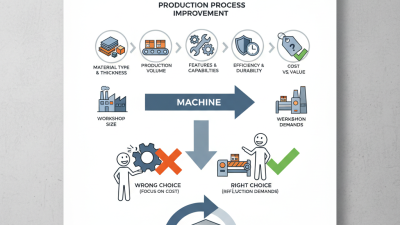
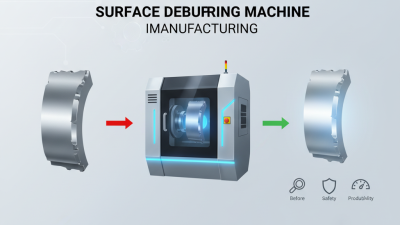
Surface deburring machines play a crucial role in removing sharp edges and imperfections from manufactured parts. This process not only ensures safety but also improves the performance of finished products. However, the selection of the right machine is critical. Not all surface deburring machines are designed equally; some may fall short in terms of reliability and effectiveness. Manufacturers must carefully assess their specific needs against the capabilities of different machines.
Investing in advanced surface deburring technology can yield significant returns. However, companies must also remain cautious about maintenance and operational costs. Balancing these factors is essential for achieving optimal performance. Understanding the unique features and limitations of each machine will empower manufacturers to make informed decisions, ultimately elevating their production standards.
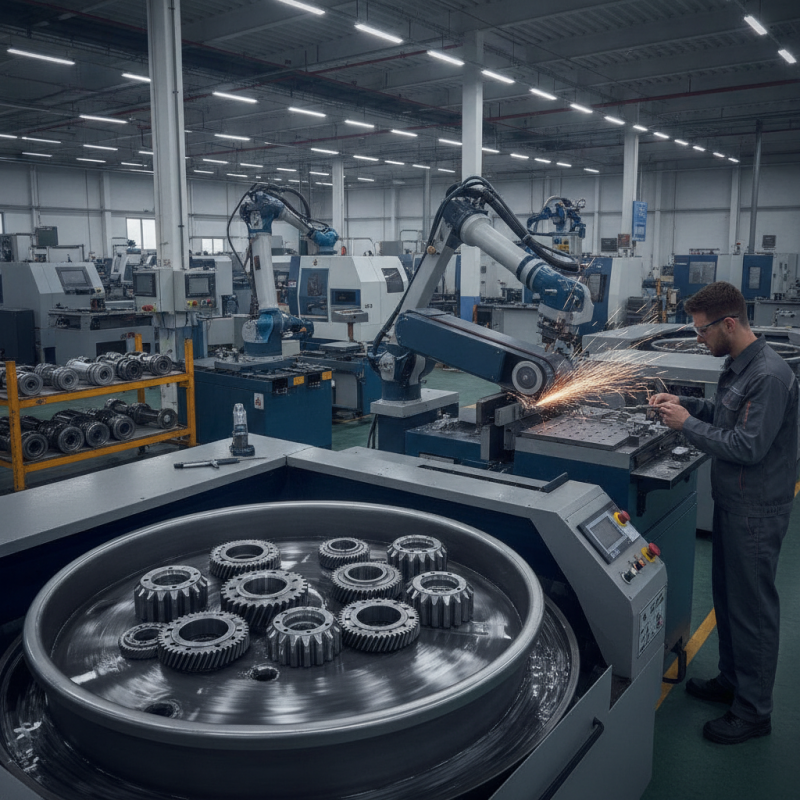
Importance of Surface Deburring in Manufacturing Processes
Surface deburring plays a critical role in manufacturing. It removes sharp edges and surface imperfections from parts. When left untreated, these defects can lead to safety hazards. They may also affect the performance of machinery. An efficient deburring process enhances the product's lifespan. Manufacturers prioritize it to ensure quality.
Effective deburring tools are essential. They not only improve aesthetics but also functionality. A smooth surface reduces wear and tear. Many manufacturers still overlook this crucial step. It leads to higher production costs and waste. In some cases, a simple burr can cause significant operational issues. This is why investing in proper deburring equipment is vital.
There is always room for improvement. Companies must evaluate deburring methods regularly. One machine may work well for one type of material but not for another. Testing various techniques can yield better results. Constant adaptation and learning are key to staying competitive.
Top 10 Surface Deburring Machines to Enhance Your Manufacturing
| Machine Model |
Deburring Method |
Material Compatibility |
Max Workpiece Size (mm) |
Speed (m/min) |
Price Range (USD) |
| Model A |
Brush Deburring |
Steel, Aluminum |
300 |
8 |
$10,000 - $15,000 |
| Model B |
Vibratory Deburring |
Plastic, Brass |
200 |
5 |
$5,000 - $8,000 |
| Model C |
Laser Deburring |
Steel, Titanium |
150 |
15 |
$20,000 - $30,000 |
| Model D |
CNC Deburring |
Aluminum, Copper |
400 |
10 |
$18,000 - $25,000 |
| Model E |
Water Jet Deburring |
Steel, Glass |
250 |
12 |
$15,000 - $22,000 |
| Model F |
Rotary Deburring |
Aluminum, Alloy |
280 |
7 |
$12,000 - $18,000 |
| Model G |
Electrochemical Deburring |
Steel, Copper |
350 |
9 |
$30,000 - $40,000 |
| Model H |
Handheld Deburring |
Plastic, Wood |
100 |
2 |
$1,000 - $2,000 |
| Model I |
Belt Deburring |
Aluminum, Steel |
320 |
6 |
$8,000 - $11,000 |
| Model J |
Shot Blasting |
Steel, Iron |
450 |
14 |
$25,000 - $35,000 |
Top 10 Surface Deburring Machines with Features and Specifications
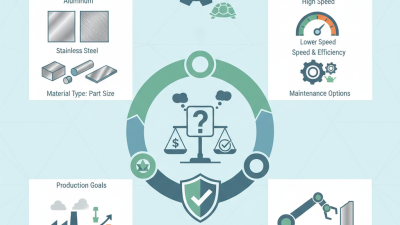
Selecting the right surface deburring machine can substantially improve manufacturing efficiency. These machines are designed to remove burrs and sharp edges from metal parts. Each model comes with unique features tailored for specific tasks. Some emphasize speed, while others focus on precision. Understanding their specifications is crucial for making an informed choice.
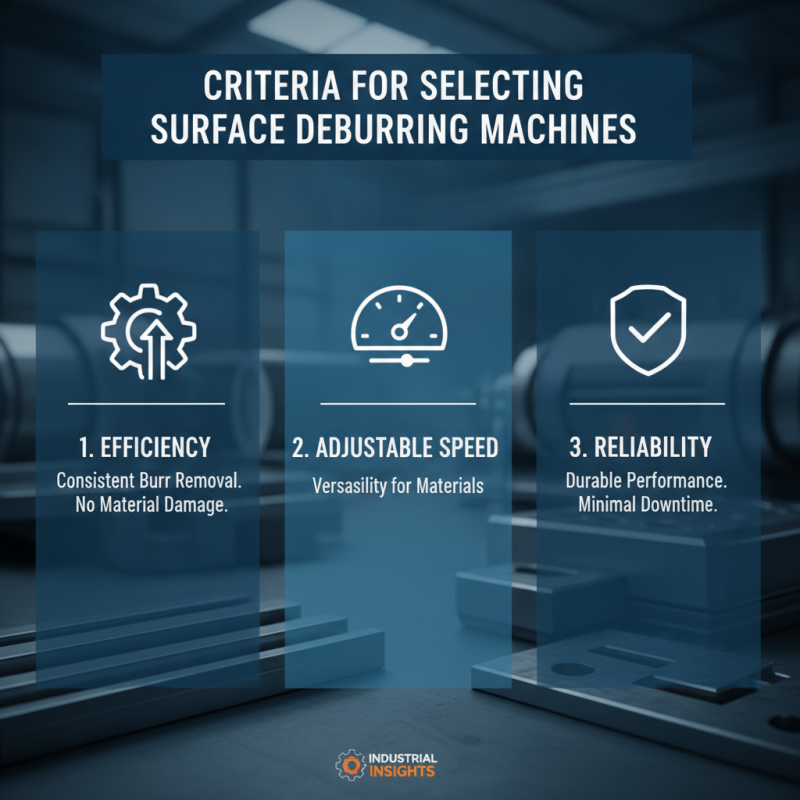
Features vary widely among different machines. For example, some models come equipped with adjustable speed settings. This allows operators to choose the best velocity for the material being processed. Others might offer interchangeable tools, enhancing versatility for a range of applications. It's important to evaluate aspects such as noise level, maintenance ease, and overall durability.
However, not every machine will meet every need. Some may struggle with particularly intricate designs or tougher materials. Regular maintenance is essential to keep machines running smoothly. There may be a learning curve associated with mastering the operation. Users should also consider how the machine fits into their existing workflow. Addressing these concerns is key to fully harnessing a machine’s potential.
Benefits of Using Advanced Surface Deburring Technologies
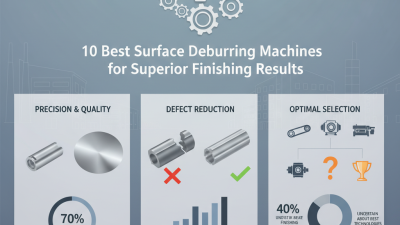
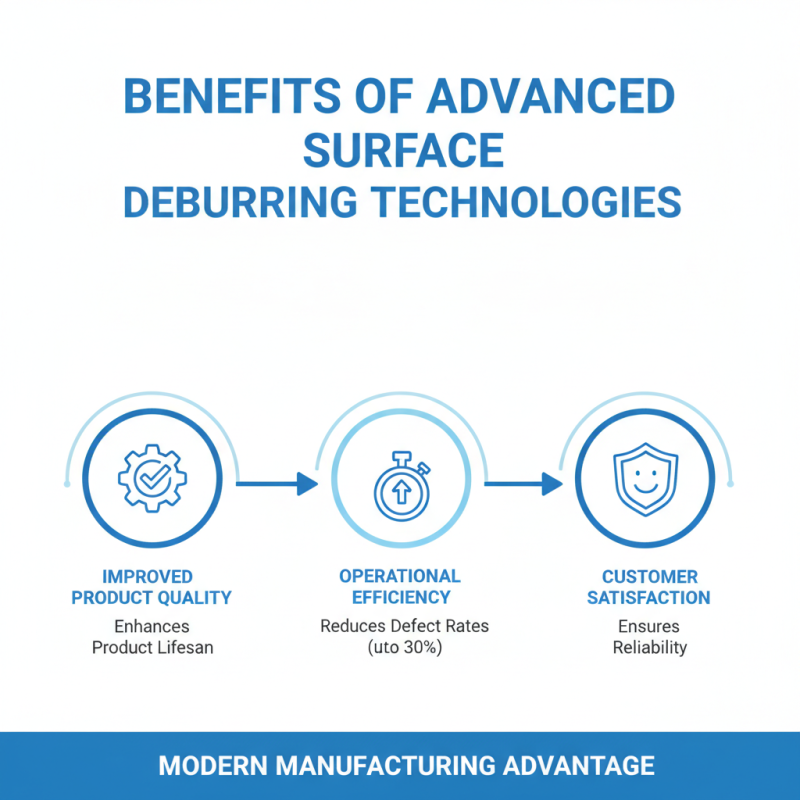
Advanced surface deburring technologies play a vital role in modern manufacturing. These processes improve product quality and operational efficiency. Companies that integrate robust deburring systems can achieve unique advantages. Reports indicate that proper deburring can reduce defect rates by up to 30%. This reduction not only enhances product lifespan but also ensures customer satisfaction.
The benefits extend beyond mere quality improvement. Automated deburring machines significantly lower labor costs and improve production speed. A study from the Manufacturing Institute found that automation in deburring could boost output by 25%. Additionally, these technologies minimize the risk of human error, which can lead to costly rework. More accurate results result in less waste, aligning with sustainability goals.
Yet, the transition to advanced systems can be challenging. Companies must invest time and resources in training and adapting operations. If not managed carefully, there can be a steep learning curve. An analytics report notes that 40% of firms underestimate the training required for staff. This oversight can hinder the anticipated benefits of new technologies. Thus, understanding both the advantages and challenges is crucial for successful implementation.
Maintenance and Care Tips for Surface Deburring Machines
Surface deburring machines are essential in modern manufacturing. Proper maintenance can significantly extend a machine's lifespan. According to a report by the Machinery Maintenance Institute, regular upkeep can reduce operational downtime by as much as 20%. Keeping machines well-maintained ensures they perform optimally and reduce waste during production.
It is crucial to implement a routine maintenance schedule. Cleaning dust and debris from machine components is vital. Ensure you regularly check and replace filters. Lubrication should be frequent, as it reduces wear and tear on moving parts. In fact, research shows that well-lubricated machines can operate up to 30% more efficiently.
Operators should also be trained in equipment handling. Poor handling can lead to costly mistakes. Simple adjustments can prevent significant issues down the line. Always consult the manufacturer's guidelines for specific maintenance practices. This ensures compliance with industry standards. Regularly inspect the equipment for any signs of wear. This proactive approach can prevent unexpected failures and costly repairs.