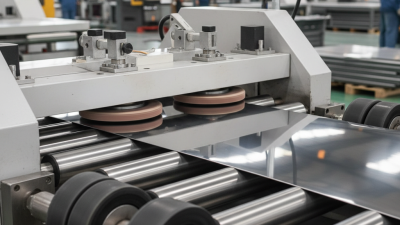
How to Choose the Best Sheet Metal Sanding Machine for Your Needs?
Choosing the right Sheet Metal Sanding Machine can feel overwhelming. Experts in the industry emphasize the importance of understanding your specific needs before making a decision. John Smith, a recognized figure in metalworking innovation, states, "The right machine can transform your production efficiency."
When selecting a Sheet Metal Sanding Machine, consider the material thickness and the desired finish. There are various machines available, each offering unique features. You might find a machine that appears perfect on paper but doesn’t deliver on performance. Real-world experience often reveals flaws that specs do not clarify.
It’s crucial to test machines when possible. Trust your instincts and gather feedback from peers. Remember, relying solely on specifications may lead to regrets later. Investing in the right machine can save time and money. Reflect on what works best for your operation before committing to a purchase.
Understanding the Different Types of Sheet Metal Sanding Machines
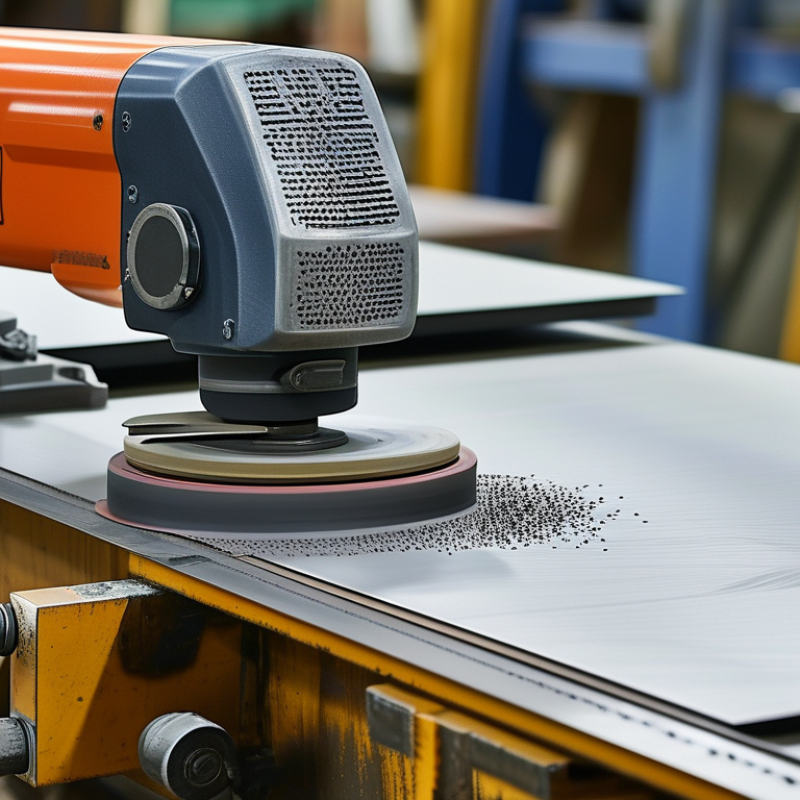
When selecting a sheet metal sanding machine, understanding the types available is crucial. Different machines serve various functions.
Belt sanders are commonly used for their efficiency in smoothing out large areas. They are ideal for prepping surfaces for painting or coating.
Disc sanders, on the other hand, excel at refining corners and edges. They deliver precision but can be tricky to use on curves.
A less common option is the spindle sander. It is great for intricate shapes and detailed work. Users often overlook it, thinking it's only for woodworking.
Yet, it can be valuable for finishing unique metal pieces. Each machine type has its advantages and disadvantages. For instance, while belt sanders can sand quickly, they may leave a coarse finish if not used properly.
Consider your specific sanding tasks. If you need versatility, a combination machine may work for you. However, these can be pricier and might need more maintenance.
Assess your levels of experience too. Beginners may prefer simpler machines that are easier to control.
Take the time to reflect on these factors for better outcomes in your metalworking projects.
Key Features to Consider When Selecting a Sanding Machine
Choosing the right sheet metal sanding machine involves careful consideration of key features. One of the most crucial aspects is the machine's power and speed. Reports indicate that machines with variable speed settings allow for greater versatility. The ideal machine should accommodate different types of materials and project requirements.
Another important feature is the size of the sanding belt. A wider belt can cover more surface area swiftly, which saves time. However, it may not reach tight corners as effectively. Many professionals recommend a balance: a machine capable of handling versatile sanding tasks but still precise enough for detailed work.
Look for machines with user-friendly controls and efficient dust extraction systems. A reliable dust collection system improves air quality and visibility during sanding. Research shows that proper dust management can enhance workplace safety and efficiency.
Maintaining performance is essential. Regularly checking and replacing worn belts can prevent damage to the machine and improve finish quality. Always consider your workspace limitations. A larger machine might deliver better results, but it needs appropriate installation space. Assess your environment before making a purchase to avoid future complications.
Assessing Your Material and Thickness Requirements
When selecting a sheet metal sanding machine, understanding your material and thickness requirements is crucial. Different metals, such as aluminum or steel, require distinct approaches during sanding. Thicker materials may need more powerful machines with stronger motors. In contrast, thinner sheets can often be handled with lighter machines. This distinction plays a significant role in ensuring efficient and effective sanding.
Consider the type of metal you work with regularly. If you often deal with varying thicknesses, a versatile machine might be needed. Machines with adjustable speed settings could be beneficial for working on materials of different densities. However, remember that not all machines excel at every task. Some may struggle with thicker metals, potentially causing damage. Evaluating these aspects helps refine your choice to ensure reliable performance.
Moreover, assess the finish quality you expect. If you require finer details, investing in a machine that provides excellent control over sanding speed is vital. The risk of making mistakes increases with less forgiving machines. Reflect on your past experiences with different machines. Do you find yourself dissatisfied with the outcomes? Understanding these nuances helps you choose wisely and avoid common pitfalls in the selection process.
Evaluating Your Budget and Cost-Effectiveness
When selecting a sheet metal sanding machine, budget plays a crucial role. A recent industry report highlighted that nearly 35% of businesses fail to set a proper budget, which can lead to overspending or a lack of essential features. Understanding your financial limitations is essential. Sheet metal sanding machines can range significantly in price, with lower-end models often starting around $1,000. Higher-end, feature-rich machines can exceed $10,000.
Cost-effectiveness should also be a primary concern. Investing in a more expensive machine often provides better durability and efficiency. Many machines offer advanced features like automatic sand feed and digital controls, which can lower operational costs. In fact, machines with higher efficiency can reduce material waste by up to 25%, as indicated by recent studies. However, it's important to reflect on how often you'll use the machine. An expensive machine may not be justified if usage is infrequent.
Consider also the long-term maintenance costs. Cheaper models may save money upfront, yet they often require more frequent repairs and replacements. Balancing initial cost with ongoing expenses is vital. Analyzing life cycle costs can lead to a more informed choice. While it might be tempting to go for the lowest price, it often leads to higher costs over time.
Cost-Effectiveness of Different Sheet Metal Sanding Machines
Maintenance and Support for Sanding Machines: What to Look For
When choosing a sanding machine, maintenance and support are often overlooked. Understanding how to care for your equipment can extend its lifespan significantly. Regular checks on belts, motors, and dust collection systems are crucial. Dust can accumulate, leading to inefficiency. Cleanliness affects performance. Consider setting a maintenance schedule. This proactive approach can prevent unexpected breakdowns.
Another aspect to consider is after-sales support. Reliable support can be a game changer. Check whether the manufacturer provides training, repairs, or a hotline for queries. You might face challenges in operating complex machinery. Having expert guidance is beneficial. Furthermore, ask about spare parts availability. Delayed repairs can impact productivity.
Equipment manuals offer helpful maintenance procedures. However, sometimes they lack details. Relying solely on written instructions may not be enough. Ensure there is accessible help when issues arise. Remember that investing in a sanding machine goes beyond the purchase price. Long-term care and expert support are vital for optimal performance. Your needs should dictate the level of service you seek.