Top 10 Sander Machines in China for Your Workshop Needs?
When it comes to woodworking, a reliable sander machine is essential for precision and effectiveness. In China, the market offers a wide range of sanding machines that cater to various workshop needs. Selecting the right machine involves understanding your specific requirements. Each sander machine has unique features that can enhance your woodworking projects.
The importance of a sander machine in achieving smooth surfaces cannot be overstated. A quality machine will save time and effort while delivering professional results. However, not all machines are created equal. Some may fall short in performance or durability, leading to frustration in your work. It's crucial to weigh the pros and cons of each option before making a purchase.
You might discover that a more expensive sander machine does not always guarantee better quality. User reviews and expert opinions are invaluable when assessing different models. Investing time in research can prevent costly mistakes. This guide aims to highlight the top ten sander machines in China. By considering their features and capabilities, you can make an informed decision that enhances your workshop experience.
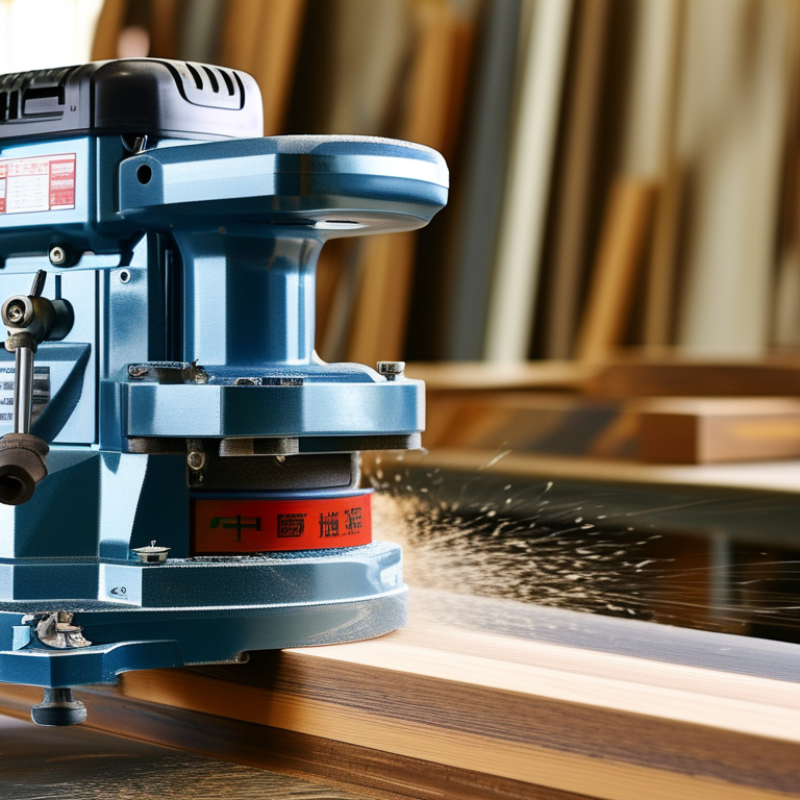
Overview of Sander Machines Used in Workshops
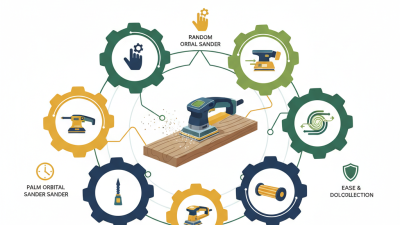
When setting up a workshop, choosing the right sander machine is crucial. Sander machines help achieve a smooth finish on various surfaces. They can be used for wood, metal, and even plastic materials. Various types of sanders are available, such as belt sanders, orbital sanders, and detail sanders. Each type serves different purposes based on your project needs.
Belt sanders are powerful tools ideal for heavy material removal. They work quickly but require careful handling. Orbital sanders, on the other hand, are suitable for finer finishes. They are user-friendly and provide excellent results on delicate surfaces. Detail sanders help reach tight corners, making them perfect for intricate work.
Even experienced builders can struggle with choosing the right sander. The wrong machine can lead to uneven surfaces or damage. Understanding the specific requirements of your projects is essential. Not every sander fits all tasks. Working with various types can help you find the perfect match for your workshop needs. Researching and testing different machines may save frustration in the long run.
Key Features to Consider When Choosing a Sander
When selecting the right sander for your workshop, consider key features that affect performance. Power is crucial; a higher wattage often leads to faster sanding. Look for variable speed settings to enhance versatility while tackling different materials. The weight of the machine impacts ease of use. A lighter sander may be more manageable during prolonged tasks.
Dust collection is another vital aspect. Efficient systems can keep your workspace cleaner and improve visibility. Ensure the design allows easy bag replacement or use of a vacuum attachment. Ergonomics should not be overlooked either; a comfortable grip reduces fatigue during extended use.
Tips: Assess your specific needs before purchasing. Think about the types of projects you'll handle. Often, users find themselves with a tool that is either too sophisticated or too basic for their tasks. Start simple; add complexity only when necessary. Experience helps you decide what works best in your workshop.
Top 10 Sander Machines Available in China
When choosing sander machines, understanding your workshop needs is crucial. The right sander can enhance efficiency and precision. Recent industry reports indicate that 70% of craftsmen prioritize durability and power in their selection. A solid sander contributes to the quality of the finished product, impacting overall workstation productivity.
In China, the market for sanding machines has grown significantly. Data shows that the demand for high-performance sanders is up by 40% over the last five years. This trend reflects a shift towards advanced materials and wood types that require specialized sanding techniques. Many users express dissatisfaction with machines that overheat or malfunction, highlighting a need for thorough research before purchase. Choosing a reliable sander may significantly affect not only the quality of work but also the longevity of the investment.
Additionally, consider the weight and ergonomics of the machine. A heavier sander may provide stability but can cause fatigue during extended use. Some reports indicate that nearly 30% of users regret their initial choice due to comfort issues. Addressing these factors creates a more satisfying and productive workshop experience. The right choice can lead to increased craftsmanship, while a poor one may slow down progress. Balancing power with ease of use is essential for every workshop professional.
Top 10 Sander Machines Available in China
| Model |
Power (W) |
Weight (kg) |
Dust Collection (%) |
Price (CNY) |
| Sander A |
750 |
2.5 |
95 |
600 |
| Sander B |
850 |
3.0 |
90 |
750 |
| Sander C |
900 |
3.5 |
92 |
800 |
| Sander D |
650 |
2.2 |
85 |
550 |
| Sander E |
1000 |
3.8 |
95 |
950 |
| Sander F |
770 |
2.7 |
80 |
650 |
| Sander G |
820 |
3.2 |
88 |
770 |
| Sander H |
680 |
2.1 |
89 |
500 |
| Sander I |
950 |
4.0 |
97 |
900 |
| Sander J |
800 |
3.0 |
91 |
720 |
Comparison of Popular Sander Brands in China
When choosing a sander machine, it's essential to understand the options available in the market. Various brands in China offer unique features tailored for different workshop needs. Some machines are lightweight, making them easy to maneuver, while others boast variable speed settings for precise work. However, the performance can vary significantly among brands.
Reliability and durability are paramount. You might find that some machines are built with high-quality materials, which can enhance their longevity. Yet, customers often report issues with other brands that use cheaper components, leading to malfunctions. This inconsistency is an area of concern, and analyzing user feedback can help navigate these choices.
Consider the power output when evaluating sanders. Machines with higher power may offer faster sanding but can also be heavier. Therefore, it’s vital to balance power with ease of use. Some sanders may generate more noise during operation, which could be distracting in a busy workshop. Engaging with community reviews provides insights into real-world experiences, helping to refine your selection process.
Maintenance Tips for Sander Machines in Workshops
Proper maintenance of sander machines in your workshop is essential for optimal performance. Regular cleaning is crucial. Dust and debris can accumulate and affect efficiency. After every use, wipe down the surface and check for any blockages.
Tip: Always keep an eye on the sanding pads. Worn pads impact the quality of your work. Replace them regularly to maintain the smoothness of the finish. A quick visual inspection can save time and frustration later.
Lubrication is another key area. Ensure moving parts are adequately lubricated. Lack of lubrication can lead to wear and damage. Consider using a recommended oil type for the best results.
Tip: Document any maintenance performed. Tracking issues and solutions helps identify patterns. Reflection on past problems will guide better maintenance strategies. Small steps in upkeep can significantly extend the life of your sander machine.
Top 10 Sander Machines in China for Your Workshop Needs
The following chart illustrates the average power consumption (in watts) of the top 10 sander machines commonly used in workshops across China. This data reflects the machine's efficiency and suitability for various tasks.