China Top Surface Deburring Machine Innovative Solutions for Precision Manufacturing?
In the evolving realm of precision manufacturing, the role of the Surface Deburring Machine is crucial. Experts emphasize this point with insights that guide industry practices. Dr. Liu Wei, a renowned specialist in manufacturing technologies, stated, "A precise Surface Deburring Machine is essential for improving product quality."
This innovation allows manufacturers to efficiently remove unwanted burrs. It enhances the finish of components, leading to improved accuracy and performance. However, staying updated with the latest advancements is vital. Companies often struggle to keep pace with rapid changes. They may overlook maintenance or fail to train staff adequately, impacting productivity and quality.
Investing in high-quality Surface Deburring Machines can seem daunting. Yet, the long-term benefits far surpass the initial costs. Careful selection and integration of these machines can revolutionize manufacturing processes. Companies must also remain open to feedback, recognizing areas for improvement. Balancing innovation with practical application ensures that precision manufacturing thrives.
Overview of Surface Deburring Machines in China
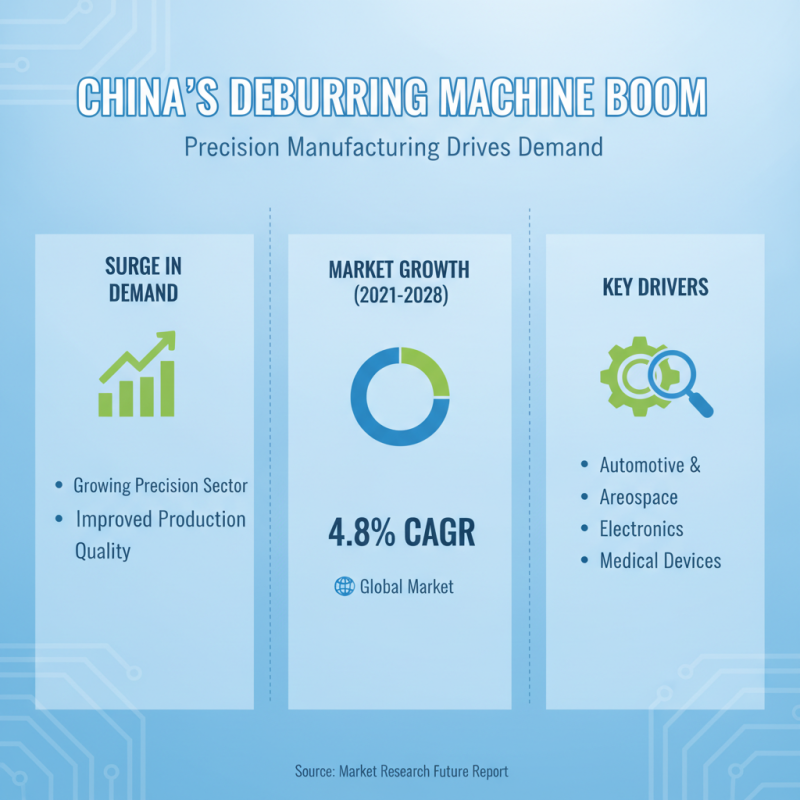
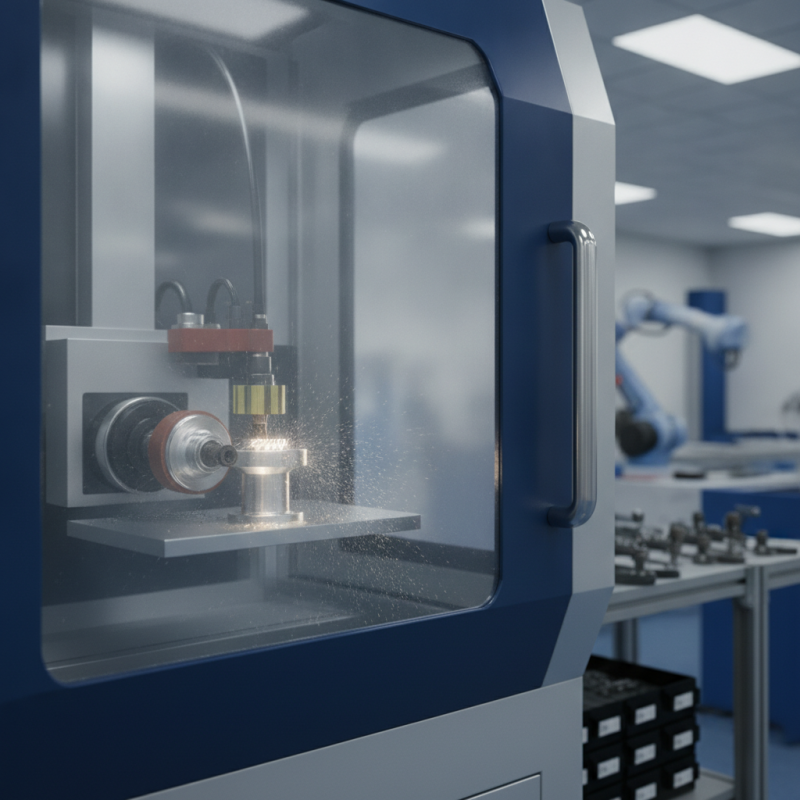
In recent years, the demand for surface deburring machines in China has surged. This is largely due to the growing precision manufacturing sector. According to a report by Market Research Future, the global deburring machine market is expected to grow at a CAGR of 4.8% from 2021 to 2028. This growth reflects the critical need for improved production quality across various industries.
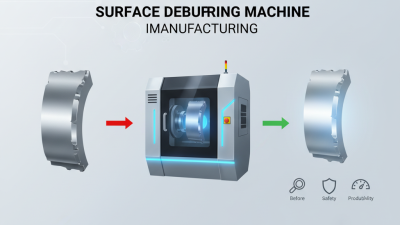
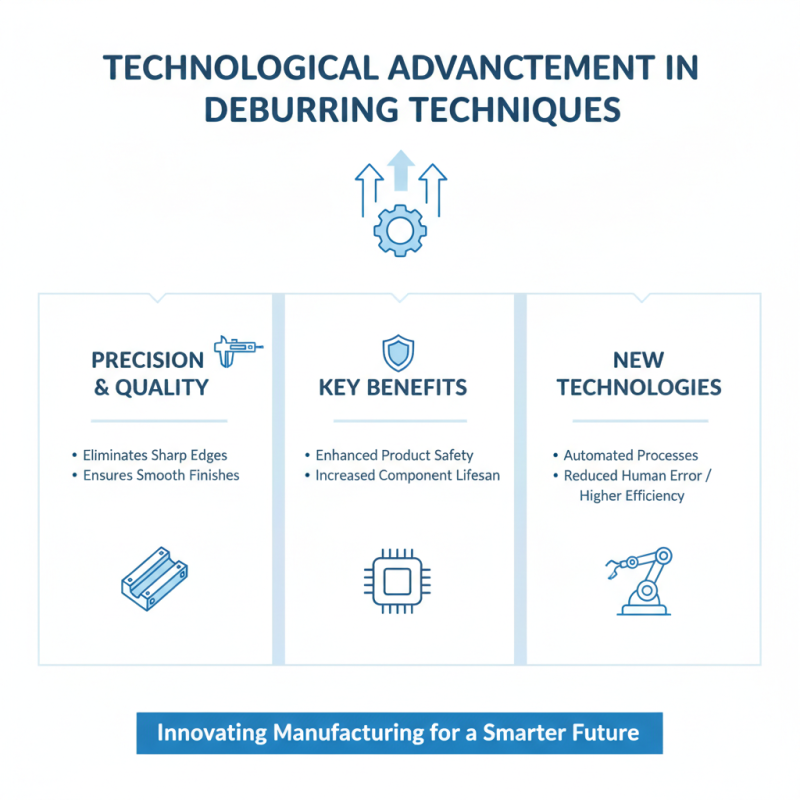
China's manufacturing landscape shows a strong focus on automation and efficiency. Surface deburring machines play a vital role in ensuring the quality of finished products by removing sharp edges and burrs. These machines enhance operational safety and product durability. Advanced technologies like CNC systems are increasingly adopted to improve deburring precision. However, integrating these machines presents challenges. Some manufacturers struggle with the initial investment and the need for skilled operators.
Tips: Consider your production needs carefully before choosing a deburring machine. Assess the total cost of ownership, including maintenance. Quality may come at a price, but long-term reliability is crucial for success. Explore financing options if upfront costs are a concern. Ultimately, precise deburring can significantly reduce production errors and improve product quality.
Key Features of Innovative Surface Deburring Solutions
In precision manufacturing, surface deburring is crucial. Innovative solutions enhance the efficiency of this process. Key features of modern deburring machines include automated operation, adjustable settings, and enhanced dust filtration systems. According to a recent report from Technavio, the global surface finish equipment market will grow at a CAGR of 5% over the next five years.
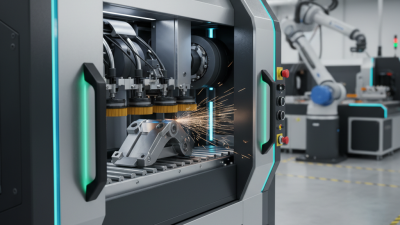
Automation reduces manual errors and increases productivity. Adjustable settings allow for precise control over the deburring process. This flexibility caters to various materials, from metals to plastics. Dust filtration improves workplace safety. It also ensures cleaner surfaces, which is essential for quality assurance.
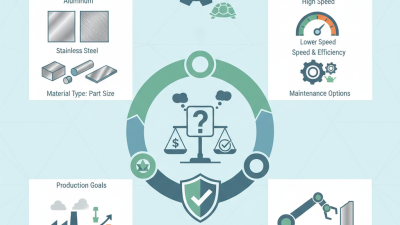
Tip: Always conduct a thorough analysis of your specific deburring needs. Assess the material types and potential burr sizes before selecting a machine.
Further advancements in technology may lead to smart machines, integrating IoT for real-time data monitoring. However, the industry grapples with challenges like high initial costs and technical complexities. As manufacturers adopt these innovations, ongoing training will be vital for the workforce.
Tip: Regular maintenance is important for optimal machine performance. An unreliable machine can negate all the benefits of advanced technology.
Applications of Precision Deburring in Manufacturing Processes
In precision manufacturing, deburring is often an overlooked step. Yet, it plays a crucial role in the overall quality of products. Deburring is the process of removing sharp edges and surface imperfections from machined parts. This ensures that components fit well together and function effectively.
Applications of precision deburring span various industries, including automotive, aerospace, and electronics. For instance, in the automotive sector, deburred parts enhance safety and performance. A poorly deburred component may lead to inefficiencies or even failures in critical systems. In aerospace manufacturing, precision is paramount. Here, deburring reduces the risk of corrosion and structural weaknesses, leading to safer aircraft.
However, integrating effective deburring solutions can be challenging. Many manufacturers struggle with choosing the right techniques and tools. Traditional methods can be time-consuming and labor-intensive. Errors in this stage often lead to costly rework. Considering these factors, investing in innovative deburring solutions is essential. This requires continuous training and evaluation of existing processes. Balancing efficiency and precision remains a critical challenge.
China Top Surface Deburring Machine Innovative Solutions for Precision Manufacturing - Applications of Precision Deburring in Manufacturing Processes
| Application Area |
Deburring Method |
Precision Level |
Material Type |
Production Volume |
| Automotive Parts |
Mechanical Deburring |
High Precision |
Aluminum |
1000 units/month |
| Aerospace Components |
Laser Deburring |
Ultra-Precision |
Titanium Alloys |
500 units/month |
| Electronics |
Electrolytic Deburring |
Medium Precision |
Copper |
2000 units/month |
| Medical Devices |
Ultrasonic Deburring |
High Precision |
Stainless Steel |
300 units/month |
| Tool Manufacturing |
Chemical Deburring |
Medium Precision |
Tool Steel |
1500 units/month |
Future Trends in Surface Deburring Machinery in China
The future of surface deburring machinery in China is evolving rapidly. Innovators in the industry are focusing on enhancing precision and efficiency. Automation is becoming a trend, offering consistent quality and reducing human error. Advanced technologies integrate robotics and artificial intelligence, allowing for smoother operations.
Tips: Evaluate what materials you commonly deburr. Different machines handle various tasks. Matching the equipment to your specific needs is vital.
Moreover, sustainability is gaining importance among manufacturers. Reducing waste and optimizing energy usage is crucial. Companies are exploring eco-friendly materials in their machinery. This shift toward greener solutions aligns with global goals for sustainability.
Tips: Regular maintenance is essential. A well-maintained machine performs better and lasts longer. Keeping a consistent maintenance schedule can prevent unexpected costs.
China's surface deburring machinery market reflects a blend of tradition and innovation. Manufacturers are encouraged to embrace new technologies, but they must also reflect on their practices. The balance between modern solutions and traditional craftsmanship will define the industry's future.