Leave Your Message
Choosing the best Aluminum Deburring Machines in 2026 starts with the part, not the brochure. A thin window frame, a cast housing, and a laser-cut panel create different burrs. They also need different levels of edge rounding. A machine that leaves a smooth, even edge on one part may mark another. Details matter.
W. Edwards Deming, a quality-management expert, is widely associated with the principle, “Quality comes not from inspection, but from improvement of the production process.” That idea applies here: a reliable deburring setup should deliver repeatable results, not merely a polished sample. Buyers should compare abrasive type, working width, feed speed, dust collection, and changeover time. Ask for a trial using your own aluminum parts. Check the edges under consistent lighting, then measure material removal and cycle time.
Small differences add up. A rough edge can disrupt coating adhesion; excessive rounding can alter a part’s fit. Yet the fastest machine is not always the best value. Maintenance, operator access, and consumable costs shape performance over a full shift. No shortlist is perfect, either. Published specifications rarely reveal every shop-floor limitation.
This guide compares Aluminum Deburring Machines by practical workload, finish quality, flexibility, and total operating demands. It helps readers identify suitable options for light fabrication, high-volume production, and mixed part sizes. The right choice depends on the actual parts—and the result your team can consistently reproduce.
What Are the Best Aluminum Deburring Machines in 2026?
How Aluminum Deburring Machines Remove Burrs and Refine Edges
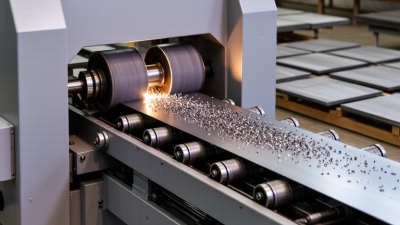
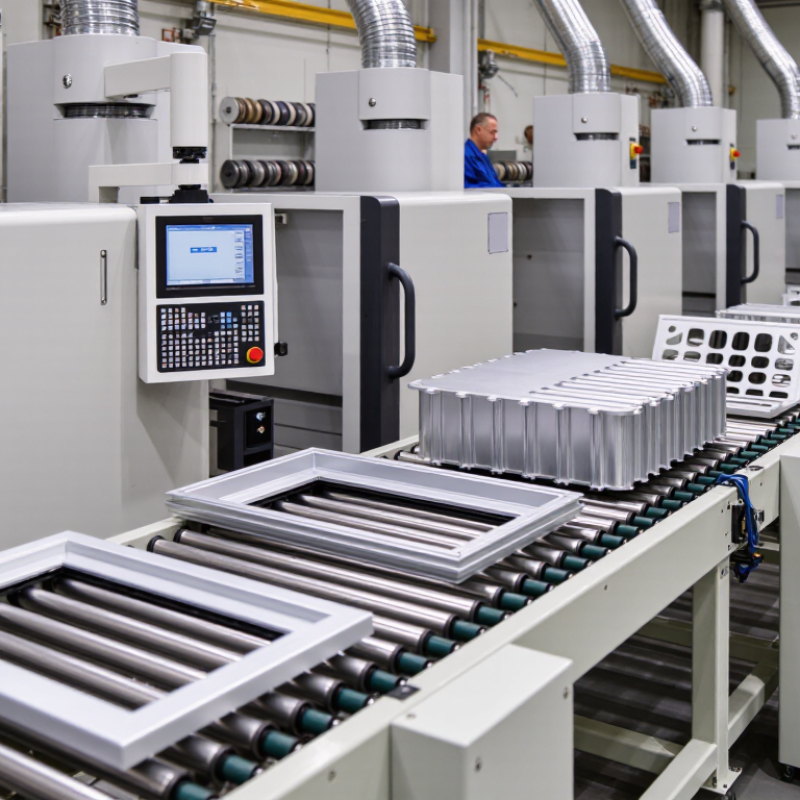
Aluminum deburring machines remove the thin, sharp ridges left after sawing, punching, or laser cutting. A conveyor carries each part beneath abrasive belts, rotating brushes, or both. The belt levels raised material; brushes reach edges and soften corners. The result should be a consistent edge, not a noticeably thinned part. Small details matter. A light burr on a panel can snag a cloth or complicate assembly.
Settings depend on the alloy, part shape, and cutting method. Softer aluminum can load an abrasive quickly, while excessive pressure may smear metal or leave uneven edges. Operators often adjust belt speed and brush contact, then inspect sample pieces under good lighting. A radius gauge can help check edge consistency. Keep dust collection and suitable process controls in mind, especially when running long batches. Not every part needs the same finish. Complex cutouts may still need manual attention, and a machine can hide a defect rather than remove it. That is easy to miss. Recheck the setup when material or part geometry changes.
| Machine Type | How It Removes Burrs and Refines Edges | Best-Suited Aluminum Work | Key Advantages | Important Considerations |
|---|---|---|---|---|
| Wide-belt abrasive deburring machine | Abrasive belts remove sharp edges and surface irregularities as sheet or plate passes through the machine. | Flat-cut sheet, plate, and laser- or punch-cut parts. | Consistent processing across broad, flat surfaces; suitable for repeat production. | Choose an abrasive appropriate for aluminum, and control pressure and belt condition to limit unwanted material removal or surface marking. |
| Brush deburring machine | Rotating abrasive or wire brushes contact the part to break sharp edges and, in suitable setups, remove light burrs around contours. | Sheet-metal parts with edges, cutouts, and accessible contours. | Can work across multiple edges and complex outlines; brush action can produce a more uniform edge finish. | Brush type, contact pressure, and part presentation affect the result. Heavy or firmly attached burrs may need a different or additional process. |
| Belt-and-brush combination machine | An abrasive belt performs initial burr removal, followed by brushes that refine edges and help create a more consistent finish. | Production runs of flat aluminum parts requiring both burr removal and edge conditioning. | Combines material removal and finishing in one pass; can reduce manual handling between steps. | Set each station to the part’s burr size and finish requirements. Test parts are useful when changing material thickness or geometry. |
| Vibratory finishing machine | Parts move with abrasive media in a vibrating bowl or tub; repeated contact gradually smooths edges and surfaces. | Small or medium-sized components that can be processed in batches. | Processes multiple parts together and can reach many edges on suitable shapes. | Cycle time and finish depend on media, compound, loading, and part geometry. Parts must be compatible with tumbling and protected from damage or entanglement. |
| CNC or robotic abrasive deburring system | A programmed tool path guides a cutter, abrasive tool, or brush along defined edges and features. | Extrusions, machined components, castings, and parts with repeatable three-dimensional features. | Provides controlled access to selected edges and can repeat programmed operations across consistent parts. | Requires suitable fixturing, tool-path setup, and process validation. Complex geometry may need multiple tool orientations. |
| Manual bench grinder or hand-held abrasive tool | An operator applies a grinding wheel, abrasive belt, file, or other hand tool directly to the burr or edge. | Prototypes, repairs, low-volume work, and localized burrs. | Flexible and comparatively simple to set up for occasional work or difficult-to-fixture parts. | Results depend on operator technique; use suitable eye and respiratory protection and avoid excessive grinding that changes part dimensions. |