How to Choose the Right Belt Sanders Sander Machine for Your Projects?
Selecting the right belt sanders sander machine is crucial for project success. Whether you are a DIY enthusiast or a professional woodworker, the choices can feel overwhelming. A quality belt sander can refine surfaces, smooth rough edges, and even shape materials. However, not all machines fit every task.
When considering a belt sanders sander machine, think about the project's requirements. Factors like power, size, and speed play significant roles. Different machines are tailored for specific tasks; some excel at heavy-duty jobs while others are better for fine finishes. Your experience level also matters. A more advanced machine may offer features that are beneficial, yet, complicated for beginners.
Evaluating your needs and understanding the machines can lead to better decisions. Don't rush into your choice; consider testing various models if possible. Each belt sander has its strengths and weaknesses. What works for one project may not suit another. Reflect on your previous experiences, and take time to research before making a purchase. The right belt sanders sander machine can make a substantial difference in your woodworking endeavors.
Understanding the Different Types of Belt Sanders Available on the Market
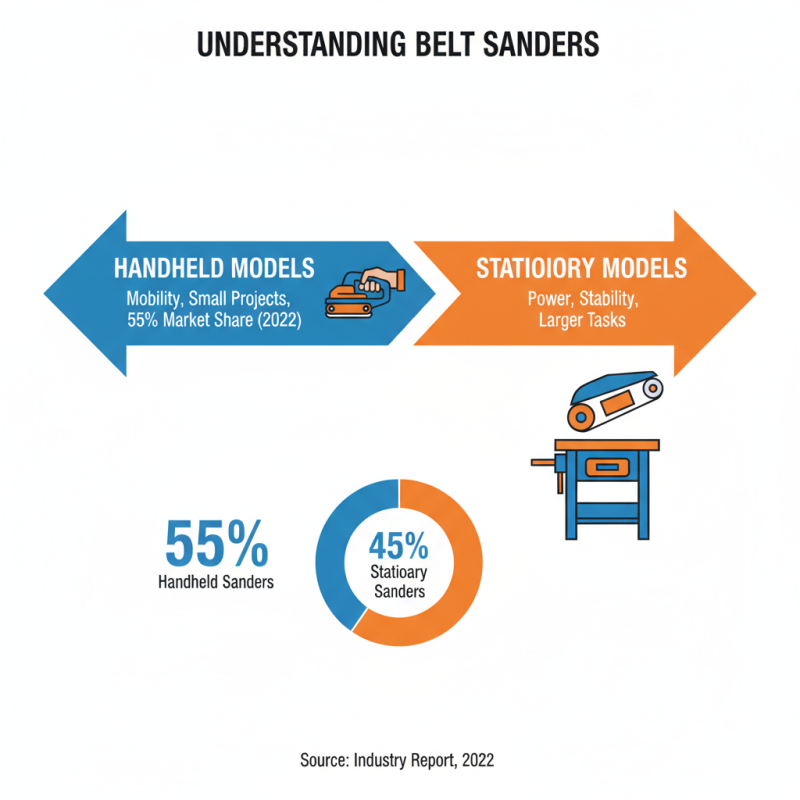
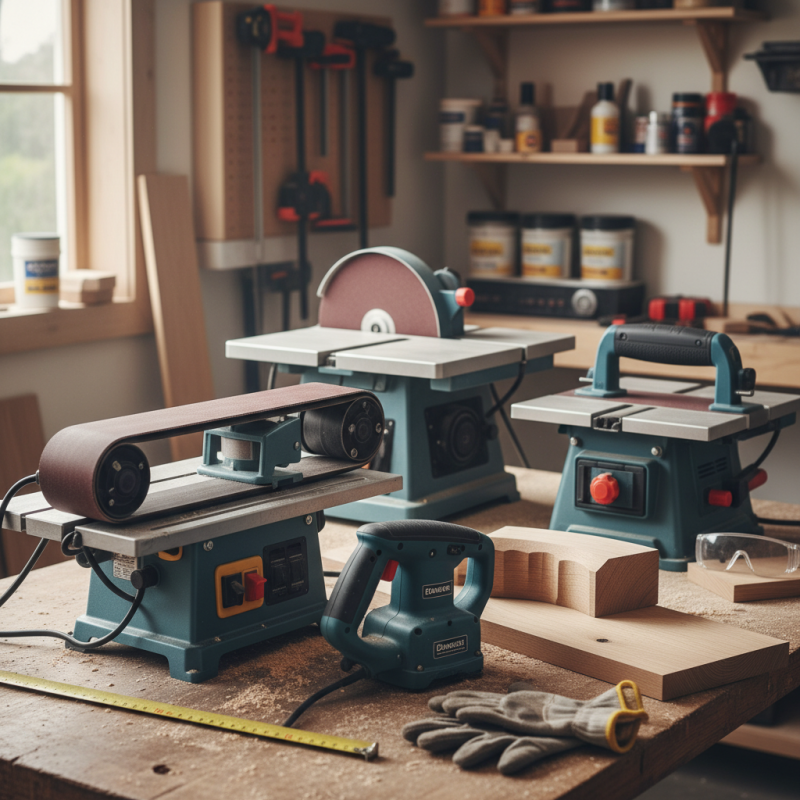
When selecting a belt sander, it’s essential to understand the types available. Belt sanders can be categorized into handheld and stationary models. Handheld sanders offer mobility and ease of use for small projects. Stationary models provide more power and stability for larger tasks. According to a recent industry report, handheld sanders accounted for over 55% of the market in 2022, driven by their versatility.
The design of the sander is another crucial aspect. Some models have adjustable speeds, allowing for finer control. This can be beneficial for delicate work, such as sanding wood without causing damage. However, not all users are familiar with speed adjustments. Many find it challenging to select the right setting for their project. Additionally, belt size and grit are important factors. The wider the belt, the quicker the sanding process. But finer grits may be needed for more detailed work. It’s a delicate balance that requires experience.
Safety is also pertinent when using belt sanders. Operators must understand correct handling techniques. Inadequate knowledge can lead to injuries or damage. Reports suggest that mishandling power tools accounts for nearly 30% of workshop injuries. Training or guidance is critical, especially for novice users navigating their first projects.
Evaluating Key Features to Look for in a Belt Sander
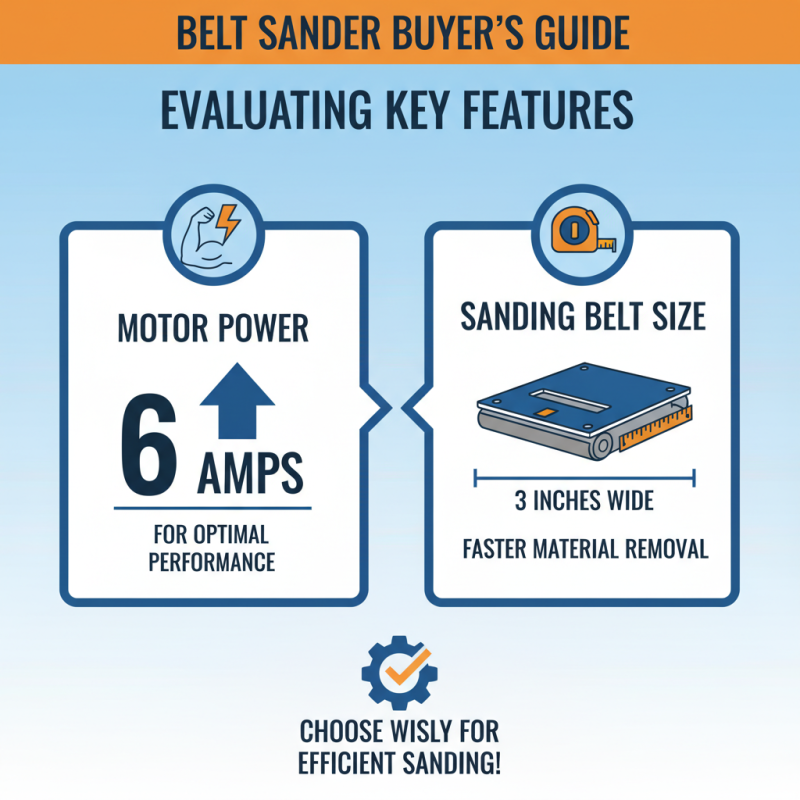
When choosing a belt sander, understanding its key features is essential. The motor power is crucial. A strong motor allows for efficient sanding, especially on tough materials. Look for models that provide at least 6 amps for optimal performance. Additionally, the sanding belt size matters. Larger belts cover more surface area and reduce sanding time. For most projects, a width of 3 inches works well.
Dust management features can greatly enhance your workspace. Good dust collection systems minimize cleanup and maintain visibility. Some models come with built-in vacuum ports. This can make a noticeable difference during extended use. Durability is another factor to consider. A sturdy frame ensures that the sander can withstand rigorous use over time.
Adjustable speed settings offer versatility. Different materials require different speeds. Slower speeds are ideal for delicate materials, while faster speeds suit tougher woods. Think about the ergonomics too. Comfortable grips can reduce fatigue during long tasks. Sometimes, cheaper models skimp on comfort, leading to sore hands and decreased accuracy.
Assessing Your Project Needs: What to Consider When Choosing a Belt Sander
Choosing the right belt sander for your project involves understanding your specific needs. Consider the type of material you'll be working with. Softwoods and hardwoods require different sanding approaches. The sander's power and speed settings also matter for achieving the best results. A powerful motor can handle tough jobs, while adjustable speeds provide better control.
**Tips:** Select a sander with a comfortable grip. You’ll be using it for hours. A lightweight model can reduce fatigue. Evaluate the dust collection feature. Good dust management keeps your workspace clean and improves visibility.
The size of your project influences your choice as well. For larger surfaces, a wider sanding belt is efficient. However, tight corners may require a more compact model. It's important to balance functionality with maneuverability. You might find that the most powerful sander is not always the best fit for delicate work.
**Tips:** Test different models if possible. Not all sanders feel the same. Consider how easily you can change sanding belts. Quick changes help maintain workflow and keep your project moving forward. Evaluate your skill level too; some machines require more finesse than others.
Choosing the Right Belt Sander for Your Projects
This chart displays the key factors to consider when selecting a belt sander based on typical project needs. Each factor is rated on a scale from 1 to 10, indicating its importance in different project scenarios.
Comparing Belt Sanders: Price, Performance, and Durability Factors
When selecting a belt sander, several factors come into play: price, performance, and durability. Understanding these elements will help you make an informed decision.
Price varies significantly based on features. A budget-friendly model may offer basic functionality. However, it might lack the power and efficiency required for larger projects.
Performance is critical. Look for sanders with adjustable speeds for different materials. A sander that excels on wood might struggle with metal. Moreover, the belt size impacts how quickly you can complete tasks. Larger belts cover more area, while smaller ones offer precision. Don't overlook the importance of ease of use. A heavy machine can be cumbersome, causing fatigue during long sessions.
Durability is vital, as it affects the long-term value of your investment. Consider build quality and warranty offered. Some sanders may require frequent repairs, leading to hidden costs. User reviews often highlight real-world performance and longevity. It’s wise to read feedback from professionals and hobbyists. Reflect on your specific needs. Sometimes, spending a little more upfront pays off in the end. Balancing these factors will guide you toward the right sander for your projects.
Maintenance Tips for Prolonging the Life of Your Belt Sander
Belt sanders are powerful tools that can greatly enhance your woodworking projects. However, like any tool, they need proper care to last. Regular maintenance is essential to keep them running smoothly and safely.
One key aspect of maintenance is cleaning the sander after every use. Dust and debris can accumulate in the sander, causing it to work inefficiently. Also, check the tension of the sanding belt. A loose belt can slip and won’t provide a smooth finish. Adjust the rollers if necessary. Furthermore, inspect the belt for wear. A worn belt not only affects performance but can also damage your project.
Lubricating moving parts is another vital task. It reduces friction and prolongs the machine's lifespan. If you notice unusual noises or vibrations, it may indicate a problem that requires immediate attention. Finally, store the belt sander in a dry place to prevent rust. Address these maintenance tasks regularly. Ignoring them can lead to costly repairs or even replacements. Regular upkeep not only improves performance but also enhances your overall woodworking experience.
How to Choose the Right Belt Sanders Sander Machine for Your Projects? - Maintenance Tips for Prolonging the Life of Your Belt Sander
| Type of Belt Sander |
Power (Watts) |
Belt Size (Inches) |
Speed (Feet Per Minute) |
Ideal Use |
Maintenance Tips |
| Stationary Belt Sander |
750-1500 |
4x36, 6x48 |
3000-4500 |
Heavy-duty sanding, shaping |
Clean dust ports regularly, check tension. |
| Handheld Belt Sander |
500-1200 |
1x30, 2x21 |
4000-6000 |
DIY projects, light sanding |
Store in a dry place, replace belts regularly. |
| Orbital Belt Sander |
600-1300 |
3x18, 4x24 |
3500-5000 |
Finishing work, smoothing edges |
Inspect cords and plugs, avoid overheating. |
| Belt Disc Sander |
800-1600 |
6x48 (belt), 8 inches (disc) |
3000-5000 |
Versatile sanding applications |
Sharpen plates, use appropriate grit for materials. |