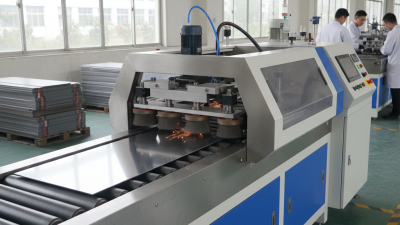
How to Choose the Best Metal Chamfering Machine?
Choosing the right Metal Chamfering Machine begins with understanding your actual production needs. A workshop cutting stainless steel tubes faces different demands from a factory preparing large carbon-steel plates. Material hardness, edge thickness, chamfer angle, and daily workload all influence the correct machine.
Start with the workpiece, not the machine brochure. Measure typical dimensions, surface condition, and required edge finish. A reliable model should produce consistent chamfers without excessive vibration, overheating, or repeated manual adjustment. Check spindle speed, cutter compatibility, feed control, clamping design, and motor capacity. These details affect both productivity and operator safety.
I have found that simple trials reveal more than impressive specifications. Run sample pieces through the machine and inspect the edge under good lighting. Look for burrs, uneven angles, discoloration, or excessive noise. Ask the supplier about service response, replacement cutters, training, and warranty coverage. Technical support matters when production cannot wait.
Do not ignore operator feedback. They notice awkward controls first. They also understand which adjustments consume time. A machine may appear efficient during a short demonstration but perform differently across an eight-hour shift. That possibility deserves attention.
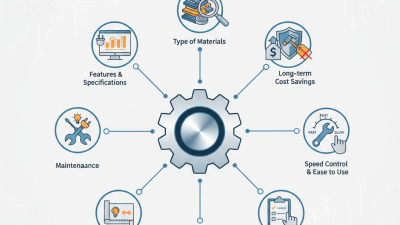
No machine fits every workshop. Choosing well requires balancing precision, capacity, maintenance, safety, and long-term operating cost. Independent test results, recognized safety practices, and documented customer experience can strengthen the decision. Still, specifications are only part of the answer. The best Metal Chamfering Machine is the one that performs reliably with your materials, workflow, and people. Mistakes can happen, but careful testing makes them less expensive.
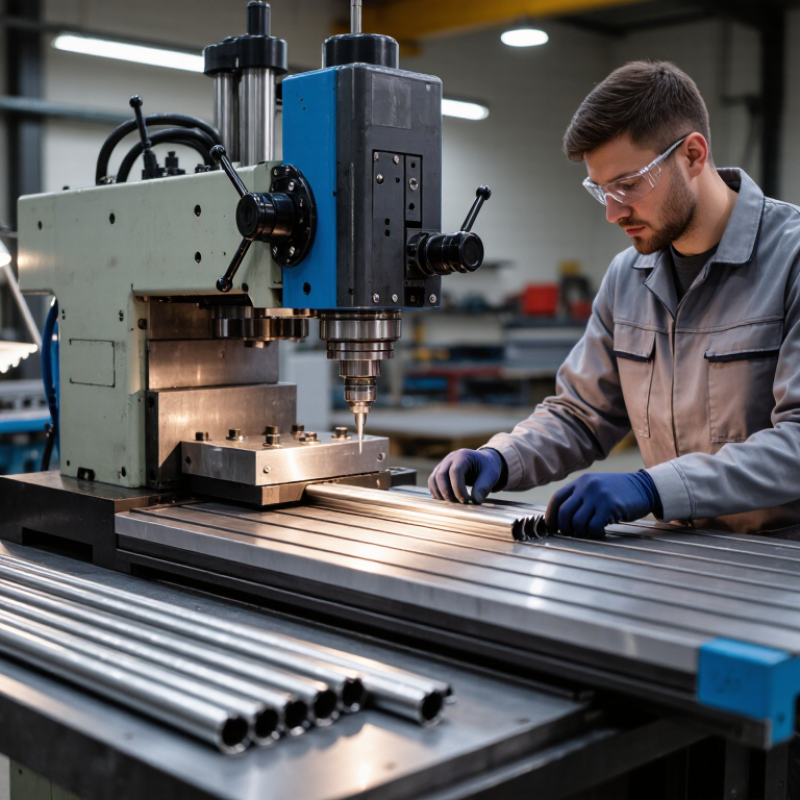
Define the Role and Applications of a Metal Chamfering Machine
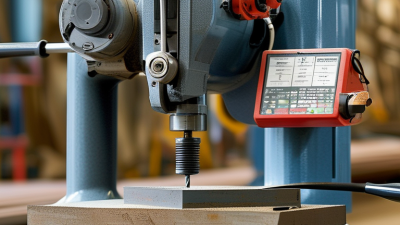
A metal chamfering machine removes sharp edges from cut metal parts. It creates a sloped edge, called a chamfer, around holes or outer surfaces. This process improves handling safety and supports cleaner assembly. It can also prepare edges for welding, coating, or further machining. In a busy workshop, consistent chamfers reduce manual filing and improve production repeatability. Small details matter.
These machines serve several applications. Fabricators use them on steel plates, pipes, bars, and machined components. A pipe shop may chamfer tube ends before welding or fitting. A machining department may prepare bolt holes for countersunk fasteners. Construction equipment manufacturers often use chamfering to remove dangerous burrs from large parts. The correct machine depends on material hardness, edge size, part shape, and required production volume.
In practice, I have seen operators choose speed before control. That choice often causes uneven edges. It is a mistake. A reliable machine should offer stable clamping, adjustable cutting depth, and clear maintenance access. Tool condition also affects accuracy. Even experienced workers can overlook vibration during long production runs. Test several sample pieces before full operation. Check the chamfer angle, surface finish, and heat marks. No machine fits every job. A portable unit may suit repair work, while a fixed system usually provides better repeatability for regular production.
Compare Machine Types, Chamfer Profiles, and Material Compatibility
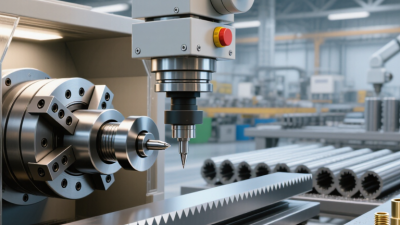
Choosing the best metal chamfering machine starts with the workpiece, not the machine catalog. Handheld units suit repair work, small batches, and irregular parts. Bench machines offer better control for repeated edge preparation. Automatic or CNC systems improve consistency when production volumes are high. However, automation can be excessive for occasional fabrication.
Chamfer profiles also affect the decision. A standard 45-degree chamfer is common for deburring and welding preparation. Double chamfers may suit both sides of a plate or pipe. Radius profiles create softer edges on parts handled frequently. Check the required width, depth, and tolerance before selecting cutters. A narrow edge can disappear after polishing. A deep cut may weaken a thin component.
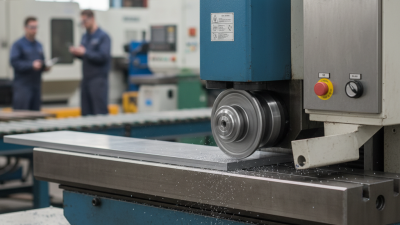
Material compatibility requires practical testing. Mild steel usually accepts high cutting loads, while stainless steel needs stable feeding and sharp tooling. Aluminum can smear when speed, clearance, or lubrication is poorly chosen. Brass often machines cleanly, but thin sections may vibrate. Hardened steel may require specialized carbide tools and a rigid fixture. Always inspect the first few parts under good lighting. Measure the chamfer with a gauge or optical comparator, not by sight alone. In my experience, a machine that looks powerful may still produce chatter on a poorly supported plate. The overlooked detail is often workholding. A trial cut on actual material reveals more than a specification sheet.
Evaluate Cutting Capacity, Precision, Speed, and Workpiece Size
Choosing the best metal chamfering machine requires more than comparing motor power. Cutting capacity should match the metal grade, thickness, and edge length used in daily production. A machine designed for thin steel may struggle with heavy stainless components. Check the maximum chamfer width and cutting angle carefully.
Precision affects fit, welding quality, and rework. Look for stable guides, accurate angle adjustment, and limited vibration during operation. A clean test cut reveals more than a catalog figure. Measure the chamfer at several points. Small variations can expose alignment problems. I have seen operators choose high speed too quickly. Speed is useful only when the edge remains consistent.
Tips:
Test the machine with your actual workpieces before purchase. Bring different thicknesses, curved edges, and short sections. Confirm that the table supports the largest workpiece safely. Also, inspect how easily operators can adjust settings and replace cutting tools. Faster production may reduce quality if setup becomes difficult. This part is often underestimated. Leave room for correction. A machine that handles 500-millimeter plates may still perform poorly on narrow parts. Consider clamping space, material movement, and access around the cutting head. These practical details often decide whether the equipment works reliably after installation.
Check Tooling, Safety Features, Maintenance, and Operating Requirements
How to Choose the Best Metal Chamfering Machine?
Tooling should match the metal, thickness, bevel angle, and production volume. A rigid cutter with replaceable carbide inserts usually produces steadier edges than a flexible tool. Check insert availability, adjustment range, and clamping pressure before buying. Perform a test cut on your actual material. Catalog claims can look impressive, but real chips may tell another story.
Safety deserves equal attention. Guards should cover rotating parts, while interlocks prevent operation when access panels open. An accessible emergency stop, stable workholding, and effective chip collection are essential. OSHA materials cite approximately 18,000 machinery-related amputations and 36,000 serious injuries each year in the United States. ISO 12100 also supports risk assessment during machine selection. A quieter machine is helpful, but noise measurements at the operator’s position matter more. Small details matter.
Maintenance and operating requirements often decide the machine’s real value. Confirm power, compressed-air demand, duty cycle, floor space, and operator training needs. Clean chips after each shift, inspect inserts daily, and record unusual vibration or burr formation. The U.S. Department of Energy’s Operations & Maintenance Best Practices guide reports that predictive maintenance can reduce maintenance costs by 25–30% and downtime by 35–45%. Those figures are useful, not guaranteed. A small workshop may lack sensors or trained technicians. Choosing a simpler machine can sometimes be the wiser, imperfect decision.