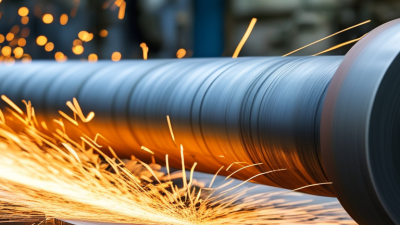
10 Best Rust Removal Grinding Machines for Global Buyers
Choosing the right Rust Removal Grinding Machine can shape productivity, finish quality, and operator safety. Global buyers often compare power, abrasive compatibility, speed control, dust extraction, and after-sales support. However, product labels rarely reveal how a machine performs on thick scale, painted steel, or uneven welds.
This guide reviews ten leading grinding machines for workshops, contractors, maintenance teams, and industrial buyers. Each option is considered through practical factors, including motor stability, vibration control, handle comfort, replacement parts, and verified technical specifications. Small details matter. A balanced grinder feels steadier during long passes. A reliable dust system keeps the work area clearer. Easy disc changes reduce interruptions.
Real working conditions can be messy. Rust thickness varies. Power supplies differ across countries. A machine that performs well in a controlled workshop may struggle outdoors. That limitation deserves attention. The ranking also considers voltage compatibility, manufacturer documentation, warranty clarity, and safety guidance. Buyers should still confirm local requirements before ordering.
There is no perfect choice.
Some models prioritize speed, while others offer better control and lower fatigue. Budget machines may appear attractive, but weak bearings or limited service access can increase long-term costs. This comparison aims to provide a practical starting point, not an absolute verdict. Specifications can change, and user experience may differ by application. Careful testing remains essential before large-scale purchasing.
What Rust Removal Grinding Machines Are and How They Work
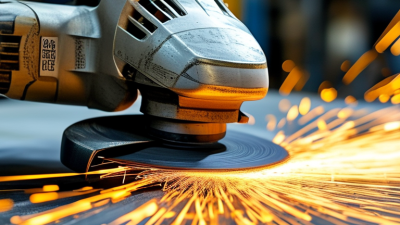
Rust removal grinding machines are powered tools that clean steel by controlled mechanical abrasion. They use a motor to rotate an abrasive wheel, wire brush, or flap disc at high speed. The attachment scrapes rust from the surface while preserving as much sound metal as possible. Different tools suit different corrosion levels.
A wire brush works well on light rust and textured surfaces. A grinding wheel removes thicker scale, but it can cut grooves if pressure is excessive. Flap discs offer smoother control on flat panels and structural steel. In practical workshop use, I start with moderate speed and light contact. Heavy pressure creates heat, sparks, and uneven marks. The operator should keep the tool moving, especially near thin sheet metal. The surface should look clean, not deeply gouged.
Global buyers should check voltage, duty cycle, spindle size, dust control, and replacement attachment availability. A powerful motor is not always the best choice. Weight, vibration, handle position, and trigger control affect daily accuracy. I have seen users overlook vibration during short tests, then struggle during longer jobs. That mistake is easy to repeat. No grinder is perfect. Buyers should test corrosion on similar steel before placing large orders. They should also review guarding, noise data, protective equipment guidance, and documented quality procedures. These details support safer, more consistent rust removal across different workshops.
Key Factors for Choosing a Rust Removal Grinding Machine
Choosing a rust removal grinding machine requires more than comparing motor power. The right choice depends on metal thickness, corrosion depth, workspace, and daily production volume.
A compact angle grinder may suit light surface rust. Heavier corrosion often needs a dedicated floor or bench grinding system.
Test the machine on actual material samples before ordering large quantities.
Abrasive compatibility is a critical factor. Check whether the machine accepts wire wheels, flap discs, abrasive belts, or specialized grinding wheels. Different surfaces require different contact pressure. Excessive pressure can overheat thin steel and leave deep marks.
Dust extraction also matters, especially in enclosed workshops. A sealed collection system can improve visibility and reduce cleanup time.
Noise and vibration ratings deserve equal attention.
Global buyers should verify voltage, frequency, plug requirements, and local safety certifications. Spare parts availability can prevent costly downtime. Ask about replacement guards, bearings, brushes, and extraction filters.
Ergonomics is easy to overlook. A heavy tool becomes tiring after several hours.
I once underestimated handle vibration during a trial, and operator fatigue appeared sooner than expected. That mistake changed my evaluation process.
Measure grip comfort, balance, trigger control, and emergency stop access. A lower purchase price may not mean lower operating cost. Consider consumable life, maintenance intervals, training needs, and repair support before selecting from the ten leading machine options.
Comparing Machine Types, Performance, and Application Scenarios
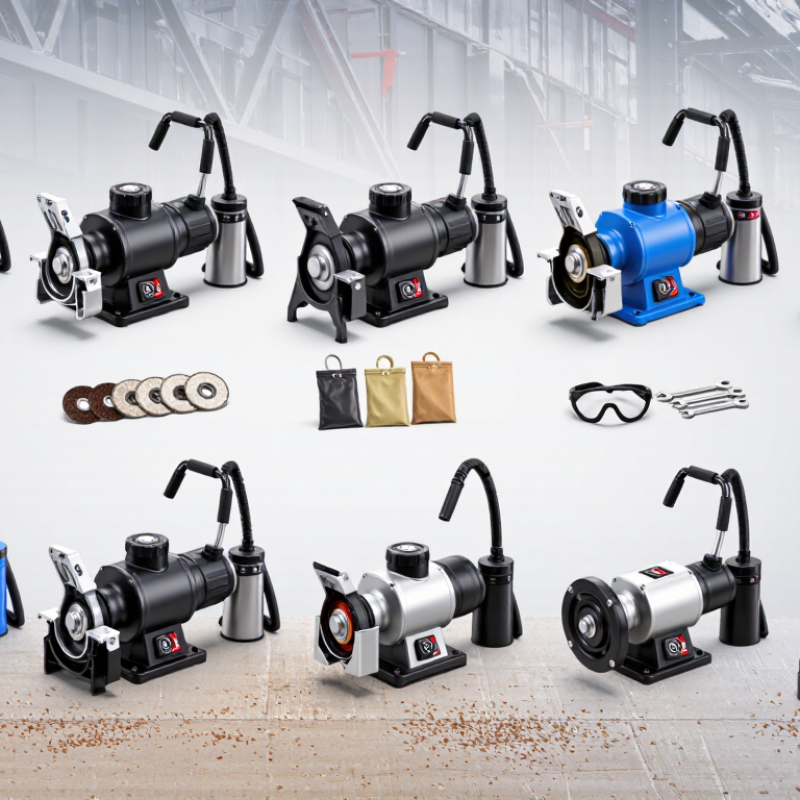
10 Best Rust Removal Grinding Machines for Global Buyers
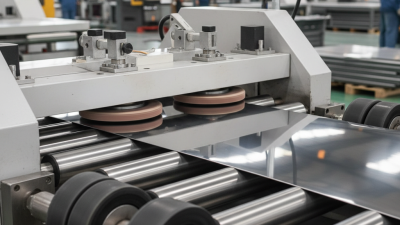
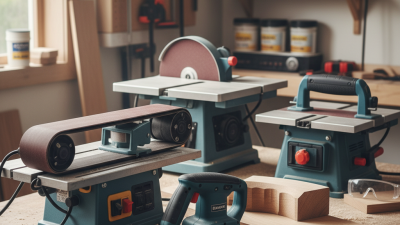
Rust removal machines differ sharply in control, speed, and working range. Angle grinders suit steel frames, tanks, and outdoor repairs because operators can change discs quickly. Die grinders reach narrow welds and pipe joints, but they demand steadier hand control. Bench grinders offer repeatable workshop work, although they cannot follow large curved surfaces. Wire-wheel machines remove loose rust gently, while abrasive wheels cut deeper into scale.
No machine wins every test.
The NACE IMPACT study estimated global corrosion costs at about 3.4% of worldwide GDP, or nearly US$2.5 trillion annually. That figure explains why surface preparation affects maintenance budgets. For heavy rust, select a high-torque grinder with controlled speed and suitable abrasive grades. For thin sheet metal, lower speed reduces heat and warping.
Pneumatic models perform well in wet or continuous industrial areas, but they require clean compressed air. Electric models are easier for mobile teams, especially where air systems are unavailable. Dust extraction remains important in enclosed workshops.
Tips: Check rated speed before fitting any wheel. Match the tool to the surface shape. Test a small area first. I would record removal rate, disc wear, vibration, and operator fatigue during a real shift. Catalog specifications often look perfect; field conditions rarely do. Global buyers should also verify voltage, plug type, spare-part access, guarding, and local safety compliance before purchase.
Safety, Maintenance, and International Purchasing Considerations
10 Best Rust Removal Grinding Machines for Global Buyers
The ten best rust removal grinding machines should be judged by control, durability, and safe handling. A powerful motor alone does not guarantee reliable results. Experienced operators check disc guards, adjustable handles, emergency switches, and vibration levels before purchase. Machines with variable speed settings work better on thin panels, heavy frames, and uneven surfaces.
Weight also matters. A compact grinder is easier to control, while a heavier model may reduce movement during long jobs. Dust extraction should be considered in enclosed workshops. Rust particles can irritate the eyes and lungs.
Tips:
Wear eye protection, hearing protection, gloves, and a suitable respirator. Inspect the disc before every use. Never operate damaged equipment. Keep cables away from sharp edges and wet floors.
Maintenance affects both safety and service life. Clean vents after each session, check carbon brushes when applicable, and tighten handles regularly. Store abrasive discs in a dry cabinet, not on a damp concrete floor.
International buyers should confirm voltage, frequency, plug type, spare-part access, packaging strength, and warranty terms. Import documents and local electrical requirements also deserve careful review. A machine may appear affordable, yet incompatible power specifications can create delays and extra costs. I have found that supplier claims need practical verification, especially for vibration and noise ratings. Test reports are useful, but they do not replace a controlled trial on the intended metal surface. Shipping damage is another overlooked risk, so buyers should request reinforced packaging and clear inspection procedures upon delivery.