Top 10 Surface Finishing Machines for Superior Product Quality?
In today's competitive manufacturing landscape, the importance of Surface Finishing Machines cannot be overstated. According to the Precision Surface Finishing Report 2023, over 70% of manufacturers have identified surface finish quality as a key factor in product performance and customer satisfaction. As noted by industry expert Dr. Alex Thompson, "The right finishing machine can elevate a product from ordinary to exceptional."
Advanced surface finishing techniques not only improve aesthetic quality but also enhance durability. Specific processes, such as polishing and coating, contribute significantly to a product’s longevity. Studies show that businesses investing in quality surface finishing see up to a 30% increase in customer retention. Nonetheless, some manufacturers still rely on outdated equipment, missing out on these potential gains.
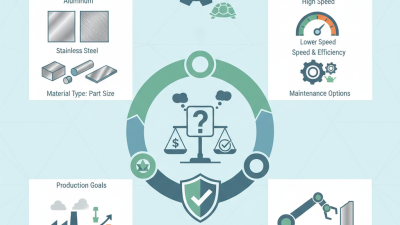
The intricacies of selecting the right Surface Finishing Machine can be daunting. Variables like material type, desired finish, and production volume must be carefully considered. It's essential to avoid a one-size-fits-all approach. The choice of machinery often reflects the commitment to quality that a manufacturer has. Investing in superior surface finishing is a strategic decision that bears significant consequences in market positioning.
Overview of Surface Finishing Machines and Their Importance
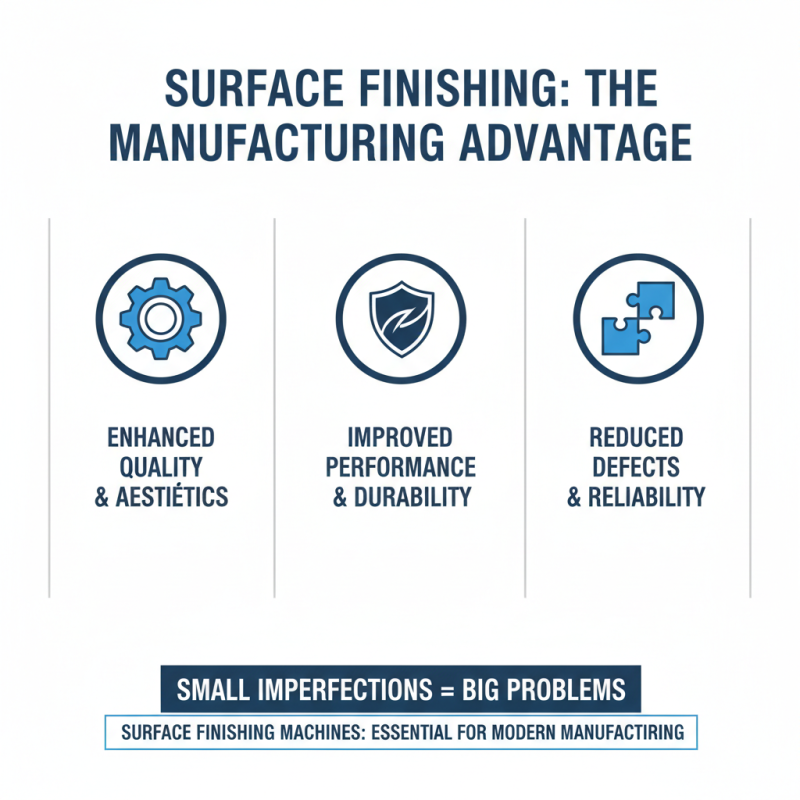
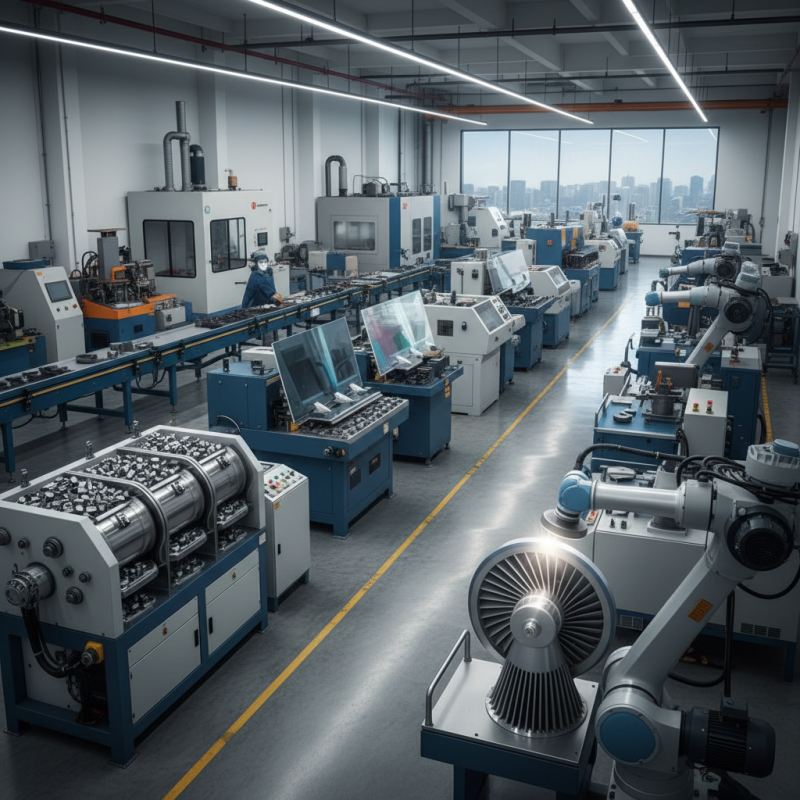
Surface finishing machines play a vital role in modern manufacturing. They enhance product quality, ensuring smooth surfaces and optimal aesthetics. The importance of these machines cannot be overlooked. They impact performance, durability, and handling. Small imperfections can lead to significant issues down the line. Flaws in finishing can compromise a product's reliability.
When selecting a machine, consider the material you will be working with. Different machines suit different applications. A misunderstanding here can lead to costly mistakes. It's crucial to test various methods to see which yields the best results.
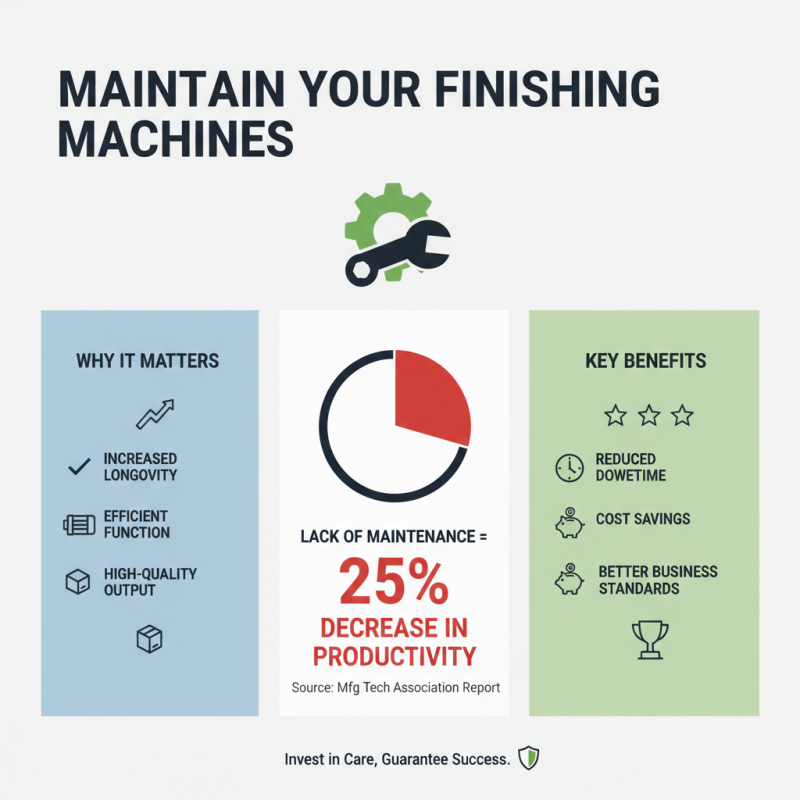
Tips for using surface finishing machines include keeping an eye on technology trends. New features often improve efficiency and finish quality. Regular maintenance is also essential. Neglecting it can lead to mechanical failures. Always monitor the machine's performance. Adjust settings as needed to mitigate errors. This hands-on approach pays off in superior outcomes.
Key Factors to Consider When Choosing a Surface Finishing Machine
When selecting a surface finishing machine, consider the material type. Some machines work better with metals, while others suit plastics or ceramics. A proper match ensures a smooth finish. The desired finish quality is equally crucial. Higher-quality finishes often require more advanced and expensive machinery.
Another important factor is ease of use. Machines that are complicated may waste valuable time during production. Operators should feel comfortable and efficient while using the equipment to avoid costly mistakes. Don't overlook maintenance requirements. Machines that demand frequent upkeep can hinder productivity.
Lastly, think about the machine's versatility. A multifunctional machine can accomplish various tasks, but it may lack efficiency in any single area. It's essential to balance versatility with specific needs. Therefore, take time to reflect on your production goals. Understand what works best for your project and what doesn’t. Choosing wisely will pay off in the long run.
Top 10 Surface Finishing Machines for Superior Product Quality
Top 10 Surface Finishing Machines for Different Applications
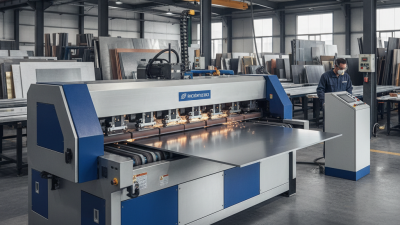
Surface finishing machines play a crucial role in enhancing product quality across various industries. These machines cater to different applications, whether polishing, grinding, or buffing. Choosing the right machine can be challenging. Each application demands unique features and capabilities. Some machines excel in speed, while others focus on precision.
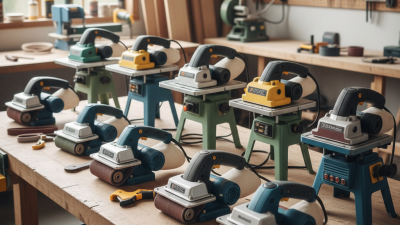
For metalworking, grinding machines are popular for their efficiency. They remove material quickly, creating a smooth finish. However, an imperfect grind can lead to surface flaws. It’s essential to find a balance between speed and quality. In woodworking, polishing machines deliver a final touch that highlights the grain. Still, achieving a flawless surface requires practice and finesse.
In industries like automotive or aerospace, the stakes are higher. Surface finishing directly impacts durability and performance. Machines designed for these applications must undergo rigorous testing. However, users often overlook maintenance. Neglecting routine checks can lead to subpar results. Understanding the specific needs of each application is vital for success, yet this simple step is frequently missed.
Top 10 Surface Finishing Machines for Superior Product Quality
| Machine Type |
Application |
Finish Type |
Production Rate |
Power |
Price Range |
| Orbital Sander |
Woodworking |
Smooth Finish |
100 sq ft/hr |
500W |
$50 - $150 |
| Belt Sander |
Metal Finishing |
Roughing |
200 sq ft/hr |
750W |
$200 - $400 |
| CNC Router |
Custom Shapes |
Precision Cut |
300 sq ft/hr |
1500W |
$2000 - $5000 |
| Vibratory Finisher |
Mass Finishing |
Deburring |
500 lbs/hr |
1HP |
$1000 - $3000 |
| Ultrasonic Cleaner |
Jewelry |
Deep Cleaning |
30 items/hr |
200W |
$100 - $500 |
| Glass Blaster |
Glass Finishing |
Textured Finish |
150 sq ft/hr |
1.5HP |
$700 - $1500 |
| Polishing Machine |
Metal & Stone |
High Gloss Finish |
250 sq ft/hr |
1000W |
$300 - $800 |
| Tumbling Machine |
Mass Finishing |
Deburring & Polishing |
1000 lbs/hr |
2HP |
$1500 - $4000 |
| Buffing Machine |
Metal Finishing |
Mirror Finish |
200 sq ft/hr |
800W |
$250 - $600 |
| Surface Grinder |
Precision Machining |
Flat Finish |
50 sq ft/hr |
2HP |
$1000 - $3000 |
Comparative Analysis of Performance and Features of Each Machine
When evaluating surface finishing machines, various performance metrics come into play. These include speed, precision, and versatility. Each machine excels in certain areas but may fall short in others. For instance, some models achieve high speed but compromise on the quality of the finish. Others produce excellent results but operate slower, impacting overall efficiency.
It's essential to consider the features that make each machine unique. Many offer multiple finishing options: polishing, grinding, or sanding. However, users often find that switching between modes can be cumbersome. Ease of operation is another critical factor. Some machines are user-friendly, while others require a steep learning curve. This can lead to frustration, especially in high-paced environments.
Moreover, maintenance needs can affect long-term performance. Some machines possess robust designs but require regular upkeep. Others may offer quick fixes but at the cost of durability. Therefore, when selecting a surface finishing machine, it’s vital to weigh these aspects carefully. Reflecting on these trade-offs can help in making an informed decision for superior product quality.