2026 Top Sander Machine Models for Efficient Woodworking Tasks?
In the realm of woodworking, the choice of a sander machine can make all the difference. Renowned expert, James Caldwell, once stated, “The right sander elevates both the process and the product.” This underscores the significance of selecting an efficient model tailored to specific tasks.
As we explore the 2026 top sander machine models, what stands out is the remarkable innovation in design and technology. These machines promise to deliver precision and speed. However, finding the perfect fit is not always straightforward. Each model has unique features that may suit different styles of woodworking.
It’s essential to consider both efficiency and ease of use. A powerful sander might not be the best choice for every artisan. The balance between capability and comfort is crucial. Every craftsman has different needs and preferences. Reflecting on these elements will help elevate your woodworking tasks.
Overview of Sander Machines in Woodworking
Sander machines play a vital role in woodworking. They smooth surfaces and prepare materials for finishing. Woodworkers need the right tools for efficient work. Choosing the right sander matters greatly. Each model serves a specific purpose.
In woodworking, using a sander can be tricky. Many beginners overlook the importance of different grits. Coarse sandpaper removes material quickly but may leave scratches. Fine sandpaper is perfect for polishing surfaces but takes longer. A balanced approach is essential for quality results.
Tips: Test on scrap wood. This helps understand how each grit affects the surface. Additionally, maintain the machine well. A clean sander runs smoother and lasts longer. Don’t underestimate the importance of safety gear. Dust masks and goggles are crucial for protection.
Remember, practice is key. Mistakes happen, and that’s part of learning. Each project offers lessons that improve skills. Embrace the imperfections and celebrate progress. With patience and the right tools, woodworking can be a rewarding journey.
2026 Top Sander Machine Models for Efficient Woodworking Tasks
Key Features to Consider When Choosing a Sander
When choosing a sander, consider its power and performance. Look for a model with a strong motor. The motor’s power can greatly influence sanding speed. More horsepower often leads to quicker results. However, more power can mean more weight. Balancing these factors is crucial.
Pay attention to the sander’s design and ergonomics. A comfortable grip is essential for extended use. Some models offer padded handles, which can reduce fatigue. Additionally, consider the sander's weight. A heavier model may provide more aggressive sanding but can be tiring. Make sure it feels right in your hands.
Don’t overlook dust collection systems. An effective dust bag can keep your workspace clean. However, some models have less efficient systems. It’s important to check user feedback. Assessing real-world performance can expose potential issues that specs don’t reveal. A sander might look perfect, yet underperformance can lead to frustration.
Top Sander Machine Models for 2026: A Comparative Review
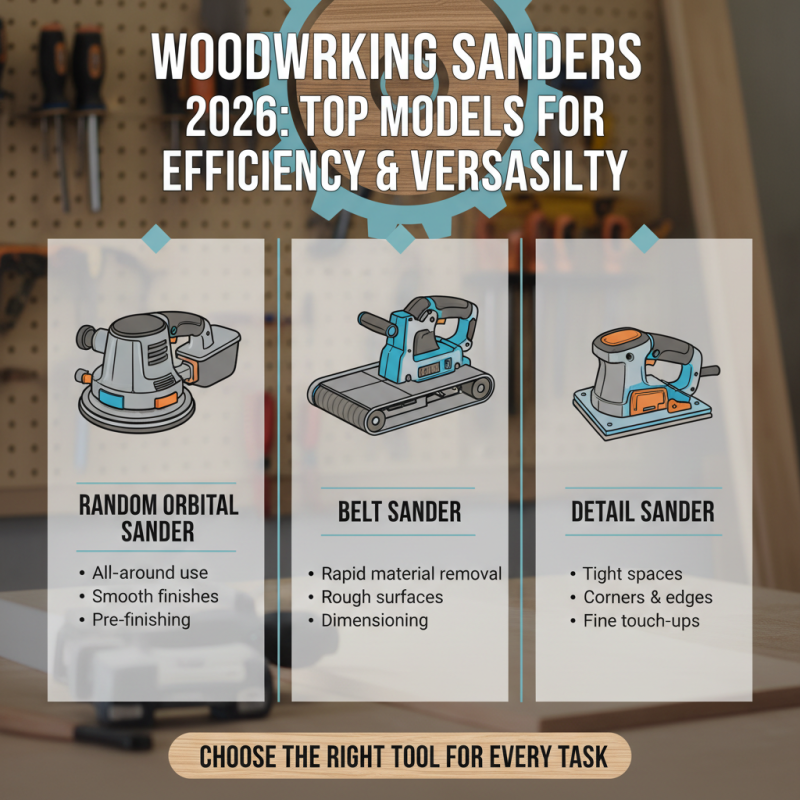
When it comes to woodworking, having the right sander is crucial. In 2026, several sander models stand out for their efficiency and versatility. These machines cater to different woodworking tasks, from smoothing rough surfaces to preparing materials for finishing.
One appealing feature of modern sanders is their ergonomic design. They reduce fatigue during extended use. However, some users find the weight of the machines varies greatly. Lighter models may be easier to handle but could lack the power needed for tough jobs. Consider your typical projects when choosing a model.
Tips: Always test the sander on scrap wood first. This reveals how it performs without ruining your main workpiece. Observe how it handles corners and edges, as some may struggle in tight spots.
Another point to reflect on is the dust collection system. A reliable dust collector can enhance your work environment. However, some models may not capture all debris effectively. Take the time to read reviews for insights on performance.
Ultimately, each sander has its pros and cons. Efficiency often depends on the type of work you do. Take your time comparing models before making a decision. Choose wisely to elevate your woodworking projects in 2026.
Performance Metrics for Sander Machines and Their Applicability
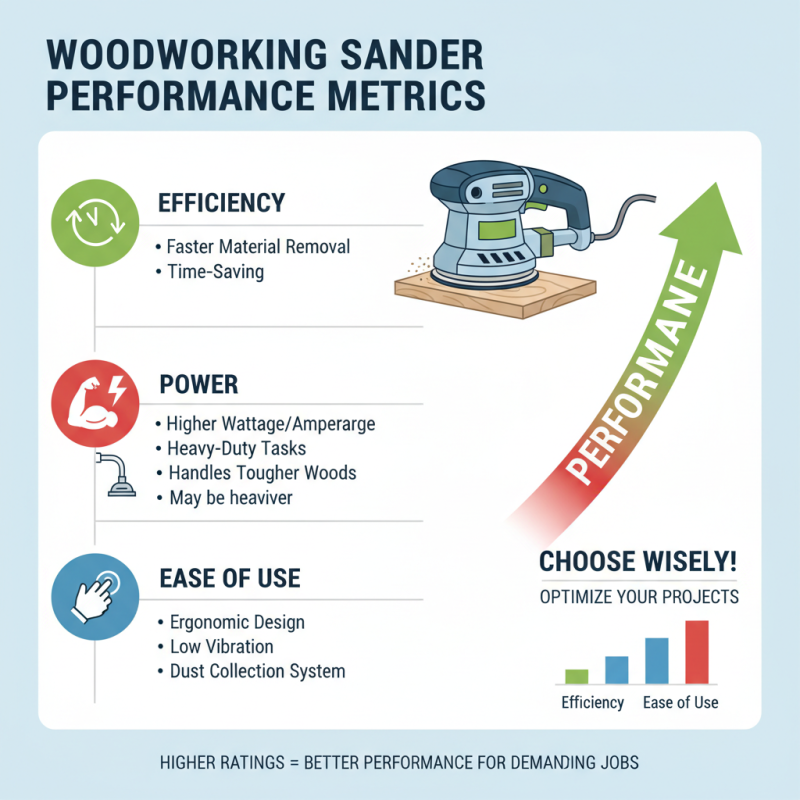
Sander machines are crucial for woodworking tasks. Performance metrics can guide your choice. Consider efficiency, power, and ease of use. These factors define how well a sander performs. For heavy-duty tasks, look for models with higher power ratings. They will save time and effort, but they may be heavier.
Tip: Always check the sander's weight before purchasing. A lightweight model can make a significant difference during longer projects. Mobility matters when working on large surfaces.
Comparing features is essential. Some sanders offer variable speed settings. This allows you to adjust the sander based on the task. However, many users overlook this feature and end up with subpar results.
Tip: Make a list of tasks you want to accomplish with your sander. This will clarify which features are necessary for your projects. Think carefully about your woodworking needs before investing.
Maintenance Tips for Enhancing the Longevity of Sander Machines
Maintaining a sander machine is crucial for its performance. Regular cleaning is essential. Dust and debris can build up quickly. Use a soft brush or compressed air to clean the dust. This prevents clogging and ensures better sanding results.
Checking the sanding belts and pads is vital. Worn-out pads can lead to uneven surfaces. They should be replaced often. This replaces lost efficiency in your woodworking projects. Noticing these small details can save you time.
Lubricate the moving parts regularly. It helps reduce friction and wear. However, be careful not to overdo it. Excess oil can attract more dust. Finding the right balance is key to keeping your machine running smoothly. Regular maintenance may seem like a chore, but it pays off in the long run.