2026 Top Deburring Machine Options for Precision Metalworking Needs?
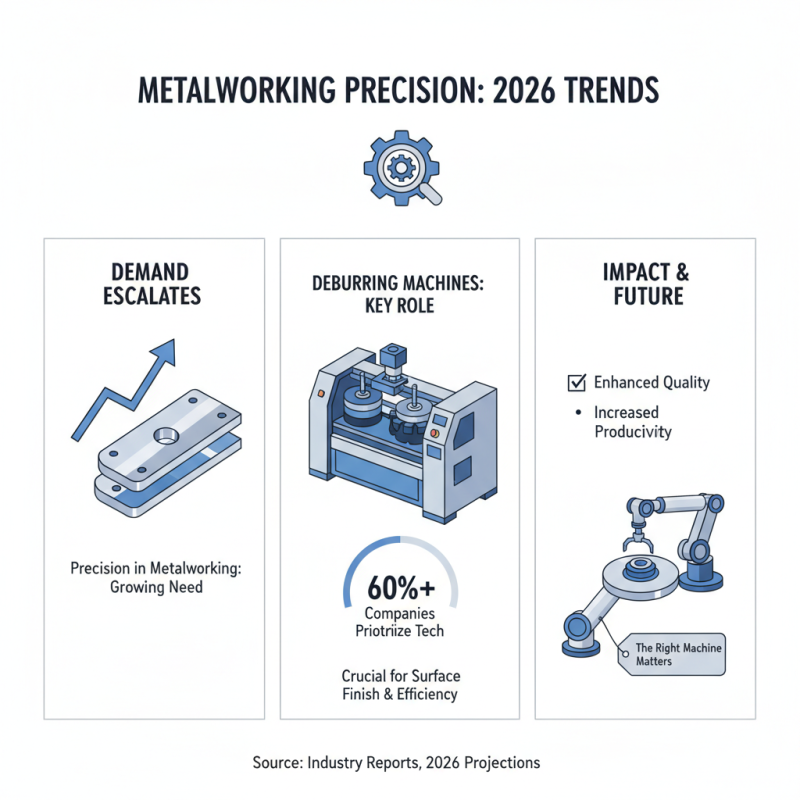
In the ever-evolving landscape of metalworking, the importance of precision cannot be underestimated. The right Deburring Machine can significantly impact productivity and product quality. Renowned industry expert, John Smith, once stated, "A good deburring machine is not just a tool; it's a craftsman's companion." This highlights the integral role these machines play in shaping metal components.
As manufacturers seek efficiency, deburring has emerged as a crucial process. It ensures that metal parts are free from sharp edges and imperfections. However, not all deburring machines are created equal. Selecting the right option requires careful consideration of specific needs and requirements. Various models offer different features, and this can be overwhelming.
Navigating these choices may seem daunting. It’s essential to identify the right machine for your precision needs. Reflecting on the limitations of each deburring machine can lead to better decision-making. A machine that works well for one application may not suit another. Ultimately, understanding these nuances is vital for success in metalworking.
Overview of Deburring Machines in Precision Metalworking
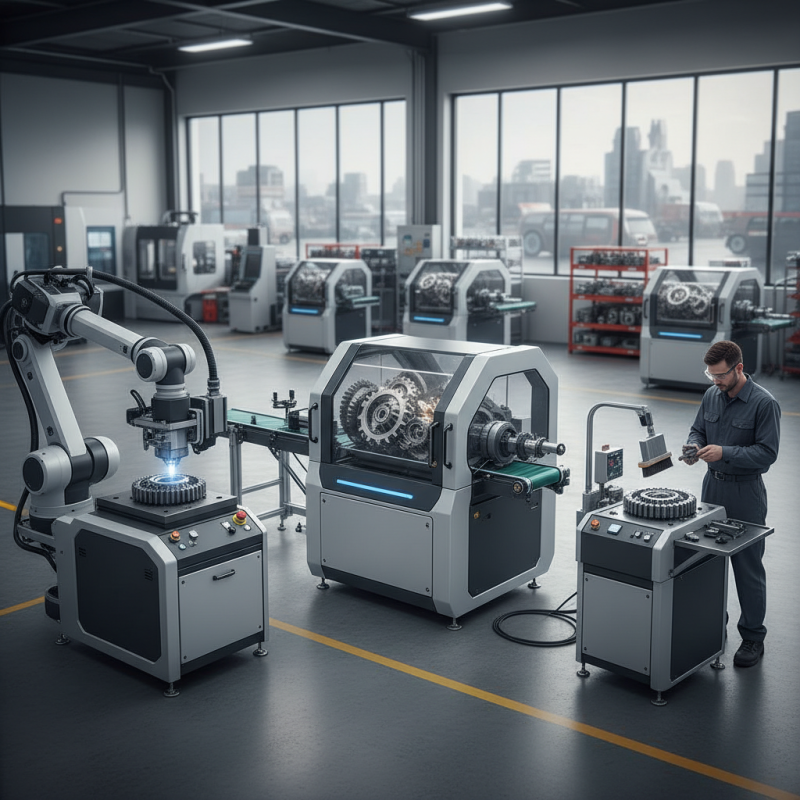
Deburring machines play a crucial role in precision metalworking. These machines remove sharp edges and burrs from metal parts, enhancing both appearance and safety. In the metal fabrication industry, a well-polished part can make a significant difference. A quality finish attracts both client attention and satisfaction.
When selecting a deburring machine, consider the type of materials you work with. Some machines excel with soft metals, while others are better for harder materials. Every choice impacts efficiency and quality. Furthermore, maintenance should not be overlooked, as regular checks can prevent unexpected breakdowns.
Tips: Always test a deburring machine on scrap material first to avoid costly mistakes on your final products. Be mindful of machine speed; too fast can cause more damage than good. Keep a log of your settings for different materials. This will save you time in future projects.
Key Features to Consider When Choosing a Deburring Machine
When selecting a deburring machine, several key features are essential for achieving precision in metalworking. First, consider the machine's speed and efficiency. Reports indicate that machines capable of operating at higher RPMs often yield cleaner finishes. A machine that can adapt to different materials will also enhance flexibility in operations.
Dust and debris management is another critical factor. Efficient extraction systems can prevent recontamination of parts. It's notable that companies with advanced filtration systems report a 30% increase in overall productivity.
**Tip:** Always assess the maintenance requirements of the machine. A machine that demands frequent repairs can slow down production cycles.
The size of the machine should fit your workspace. Precision is compromised if operators struggle to maneuver materials. Moreover, evaluate safety features. Machines without proper safety measures may pose risks, leading to potential accidents.
**Tip:** Invest in machines with user-friendly controls. Machines that are complex to operate can hinder workflow.
Make sure to review feedback from other metalworking professionals. Their insights will illuminate features that truly matter in real-world applications. Balancing these features can be challenging, but it is crucial for successful production outcomes.
2026 Top Deburring Machine Options for Precision Metalworking Needs
| Machine Type |
Material Compatibility |
Deburring Method |
Deburring Thickness |
Power Consumption |
Weight |
| Rotary Deburring Machine |
Steel & Aluminum |
Rotary Cutting |
Up to 5 mm |
1.5 kW |
150 kg |
| Vibratory Deburring Machine |
Plastic & Non-Ferrous Metals |
Vibratory Finishing |
1 mm to 3 mm |
0.5 kW |
100 kg |
| Brush Deburring Machine |
Aluminum & Stainless Steel |
Brush Deburring |
0.5 mm to 6 mm |
1 kW |
200 kg |
| Wet Deburring Machine |
Carbon Steel & Alloy Steel |
Wet Finishing |
1 mm to 5 mm |
2 kW |
250 kg |
| Laser Deburring Machine |
Steel, Aluminum & Titanium |
Laser Cutting |
Up to 10 mm |
5 kW |
300 kg |
Advanced Technologies in Deburring Machines
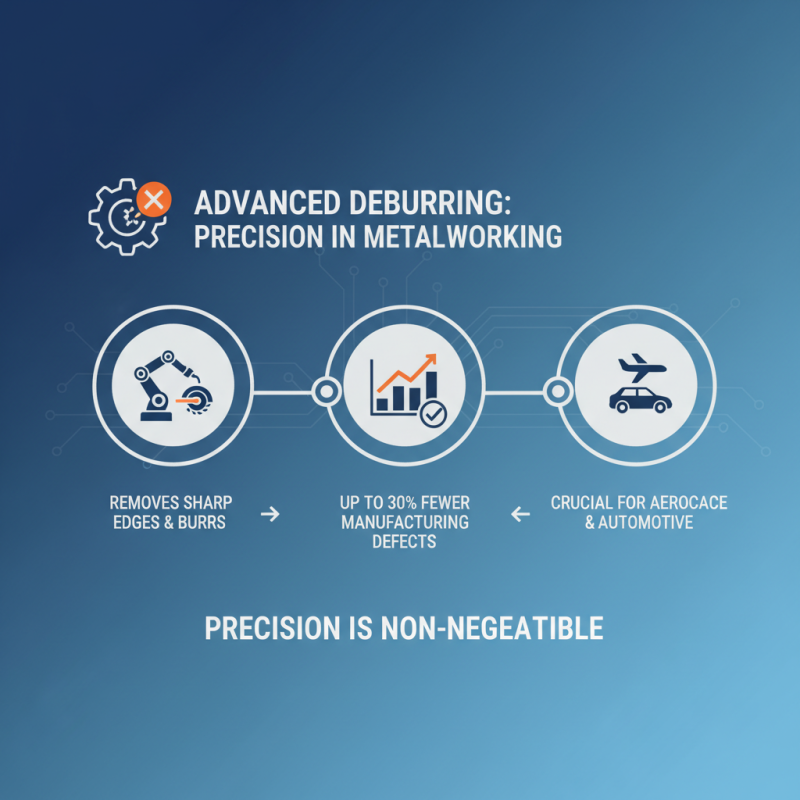
In the realm of precision metalworking, advanced deburring machines play a crucial role. These machines are designed to remove sharp edges and burrs from metal parts effectively. Recent industry reports highlight that deburring processes can reduce overall manufacturing defects by up to 30%. This is essential, especially in sectors like aerospace and automotive manufacturing, where precision is non-negotiable.
Technological advancements have transformed deburring operations. Automated machines now utilize CNC technology to achieve superior accuracy. Research suggests that CNC deburring machines can improve efficiency by 40% compared to manual processes. Moreover, adaptive sensors in these machines can adjust settings in real-time, ensuring consistent quality. However, implementing these technologies often requires a significant initial investment, posing challenges for smaller manufacturers.
The importance of training is often overlooked. Operators must understand both the technology and its intricacies. Misunderstandings in machine settings can lead to costly errors. Data indicates that a 20% increase in operator training can significantly enhance machine performance and reduce downtime. In a continuously evolving industry, staying updated is vital. Manufacturers face both opportunities and hurdles in their pursuit of efficiency and precision.
Maintenance Tips for Optimal Performance of Deburring Machines
Maintaining a deburring machine is crucial for achieving precision in metalworking. Regular maintenance keeps the machine running smoothly. Check the blades frequently. Dull or damaged blades can lead to poor results. Replacing them as needed saves time and improves quality.
Clean the machine after each use. Metal shavings and dust can accumulate, affecting performance. A simple cleaning routine can prevent larger issues later. Ensure all parts are lubricated properly. This reduces friction and wear, leading to a longer machine life.
Don't overlook the importance of operator training. Proper usage techniques can prevent mistakes. Misalignment or incorrect settings can cause significant delays. Operators need to understand the machine's capabilities and limitations. Regular training sessions can highlight areas for improvement. This enhances overall operational efficiency.