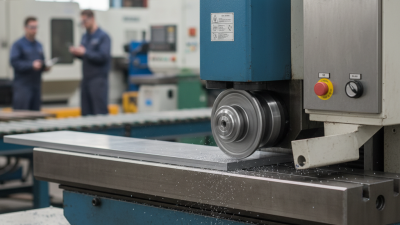
How to Choose the Best Metal Grinding Machine in 2026?
Choosing the best Metal Grinding Machine in 2026 requires more than comparing motor power or advertised speed. A reliable decision begins with the material, production volume, surface finish, and dimensional tolerance. Steel, stainless steel, aluminum, and hardened alloys each respond differently under abrasive contact. A machine that performs smoothly on mild steel may create heat marks on stainless steel. Small details matter.
Dr. Jeffrey A. Badger, widely known as “The Grinding Doc,” states, “Grinding is a thermal process.” His observation should guide every purchasing decision. Excessive heat can damage the workpiece, shorten wheel life, and reduce operator confidence. Look for stable spindle construction, accurate table movement, effective coolant delivery, and accessible safety controls. Check whether the manufacturer provides test-grinding data, maintenance support, and practical training. Those details often reveal more than a polished brochure.
Real workshop experience also matters. Watch the machine during startup, dressing, and continuous operation. Listen for vibration. Inspect the finished surface under proper lighting. Ask how quickly operators can change wheels and adjust fixtures. A technically powerful machine may still be a poor choice if setup feels awkward or service is slow.
There is no perfect machine for every factory. I would not trust a purchase based only on specifications. Sample testing remains essential. Budget pressure can also distort judgment. The cheapest option may become expensive through rework, downtime, and premature component replacement. This guide examines the critical criteria carefully, while recognizing that actual performance can vary between workshops, operators, and materials.
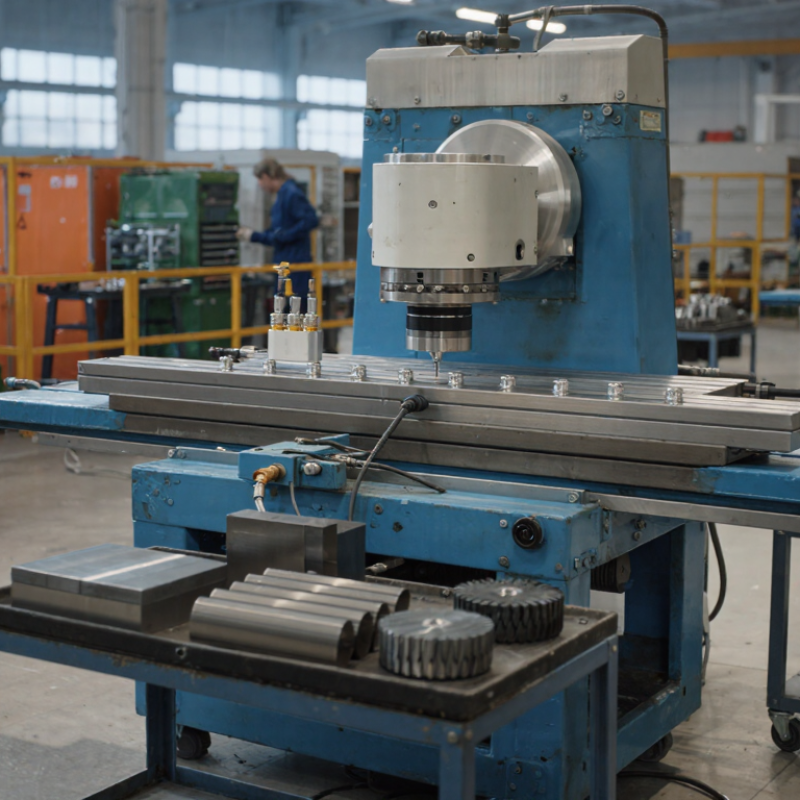
Understanding Metal Grinding Machine Types and Their Applications
How to Choose the Best Metal Grinding Machine in 2026?
Understanding Metal Grinding Machine Types and Their Applications
Metal grinding machines differ by motion, abrasive design, and the accuracy they can deliver. Choosing correctly starts with the workpiece, not the machine’s advertised power.
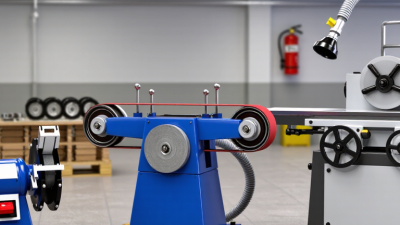
Bench grinders suit deburring, sharpening, and small repair jobs. Angle grinders handle weld cleanup, cutting preparation, and work on large structures. Belt grinders remove material quickly and leave adjustable directional finishes. They are useful for fabricated parts and curved edges.
Surface grinders produce flat faces with controlled thickness. They are common when parallelism and tight tolerances matter. Cylindrical grinders finish external round surfaces, such as shafts and pins. Centerless grinders support high-volume production without clamping each part. The application decides the type.
I have seen operators choose a powerful grinder for delicate finishing. The result was overheating, blue marks, and wasted material. Power alone is not enough. Check the abrasive type, wheel speed, table travel, coolant system, and guarding. Aluminum may load a wheel, while hardened steel needs a suitable abrasive and steady heat control. Confirm the machine’s stated tolerance through test grinding, not brochures. A trial piece helps.
Do not ignore ergonomics. A heavy angle grinder can reduce control during long weld cleanup. Vibration also affects finish quality and operator fatigue. Dust extraction, emergency controls, and wheel inspection procedures deserve equal attention. My own selections have not always been perfect. Rechecking the process after production begins often reveals a better machine, abrasive, or fixture combination.
Defining Material, Workpiece, and Grinding Requirements
Choosing the best metal grinding machine in 2026 starts with the material, not the catalog.
Stainless steel may generate heat and cause wheel loading. Hardened tool steel needs controlled cutting action. Aluminum can clog an unsuitable abrasive quickly. Cast iron produces different dust and surface behavior. Material changes everything.
Define the workpiece before comparing machine sizes.
Record its length, width, diameter, weight, and geometry. A 600-millimeter shaft needs different support from a thin precision plate. Small parts may require magnetic, vacuum, or mechanical workholding. Thin sections can distort under heat or clamping pressure.
I once selected a machine by maximum table size alone. The setup fit, but the clamping method did not.
Grinding requirements should be measurable.
Separate heavy stock removal from final finishing. Specify dimensional tolerance, flatness, roundness, and target surface roughness. Check spindle speed, wheel diameter, coolant delivery, and dressing capability. A rigid machine matters when cuts are deep or interrupted. Fine finishing may need slower feeds and better thermal control. Test grinding is worth requesting.
It reveals vibration, burning, chatter, and operator access before purchase. Some recommendations still look convincing on paper, yet real workpieces can expose weaknesses quickly.
Comparing Power, Wheel Specifications, and Machine Capacity
How to Choose the Best Metal Grinding Machine in 2026?
Power should match the material, wheel size, and expected workload. The U.S. Department of Energy reports that motor-driven systems consume about 68% of industrial electricity. This makes motor efficiency more than a sales detail. For heavy steel removal, a 7.5 kW motor may maintain speed better than a 5.5 kW unit. However, excessive power can increase heat, noise, and operating costs.
Wheel specifications require careful checking. Select the correct abrasive type, diameter, thickness, bore, and maximum operating speed. ISO 525 classifies grinding wheels by dimensions and shape, while safety guidance requires the wheel’s rated speed to exceed the machine’s spindle speed. A 355-millimeter wheel running near its limit leaves little room for mistakes. Smaller wheels usually suit precision work; larger wheels provide deeper contact but demand stronger guarding and support.
Machine capacity includes more than motor power. Measure maximum workpiece length, swing, table travel, and allowable workpiece weight. A workshop handling 800-millimeter shafts needs a longer table, even when the grinding load seems modest. Data from the U.S. Energy Information Administration shows industrial facilities remain major electricity users, so idle consumption deserves attention. Variable-speed control can help, but its savings depend on real usage. I would not choose the biggest machine automatically. A wide capacity range can hide poor accuracy at smaller jobs. Test a sample part, inspect vibration at the wheel guard, and record amperage during a realistic grinding pass.
Evaluating Safety Features, Precision, Maintenance, and Usability
How to Choose the Best Metal Grinding Machine in 2026?
A suitable metal grinding machine should protect the operator before delivering fast stock removal. Inspect a rigid guard, clear spark deflector, emergency stop, and accessible power isolation. The guard should close gaps around the wheel without blocking the workpiece view. Look for stable footing and low vibration during a dry test. Small details matter. A trained technician should verify wheel compatibility, rated speed, and local safety requirements before operation.
Precision begins with spindle stability, table movement, and repeatable adjustment. Place a dial indicator near the work area and watch movement during startup. Excess runout can leave uneven surfaces, overheated edges, or inaccurate dimensions. For production work, measure a sample part with a calibrated micrometer after grinding. In my workshop trials, one machine felt smooth but produced inconsistent finishes after warming. That result changed my view: cold performance is not enough.
Maintenance should be practical, not dependent on complicated access panels. Check wheel condition, coolant lines, filters, belts, and fasteners at defined intervals. Keep a simple log with dates, vibration observations, and replaced components. Usability also includes readable controls, comfortable reach, lighting, and quick setup. A clear manual helps, but hands-on training reveals awkward tasks faster. I still underestimate cleanup time sometimes. Choose a layout that lets operators remove metal dust safely and inspect critical parts without strain.
How to Choose the Best Metal Grinding Machine in 2026?
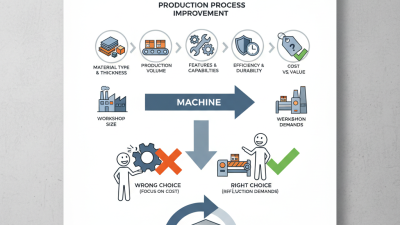
Recommended evaluation priorities for comparing metal grinding machines, based on common industrial purchasing and risk-control practices.
Safety receives the highest weighting because guarding, emergency stops, wheel protection, and safe operating procedures directly reduce exposure to grinding hazards. Precision, maintenance, and usability should then be assessed according to the intended material, workload, and operator requirements. The percentages are a transparent planning baseline, not manufacturer performance claims.