2026 How to Choose the Best Metal Buffing Machines for Your Workshop?
Choosing the right Metal Buffing Machines for your workshop is crucial. These tools can enhance your metal projects by giving them a polished look. Many people overlook the importance of selecting the best machine for their specific needs.
When looking at Metal Buffing Machines, consider their size and power. Larger machines can handle bigger materials, while smaller ones are more versatile. However, a powerful machine may create noise, which could be a concern for some workshops. It’s essential to weigh these factors carefully.
Many users often regret their choices due to inadequate research. Without knowing what to expect, you might end up with a machine that does not meet your expectations. Take the time to explore different options, and you’ll find the right fit for your workshop.
Understanding the Importance of Metal Buffing Machines in Workshops
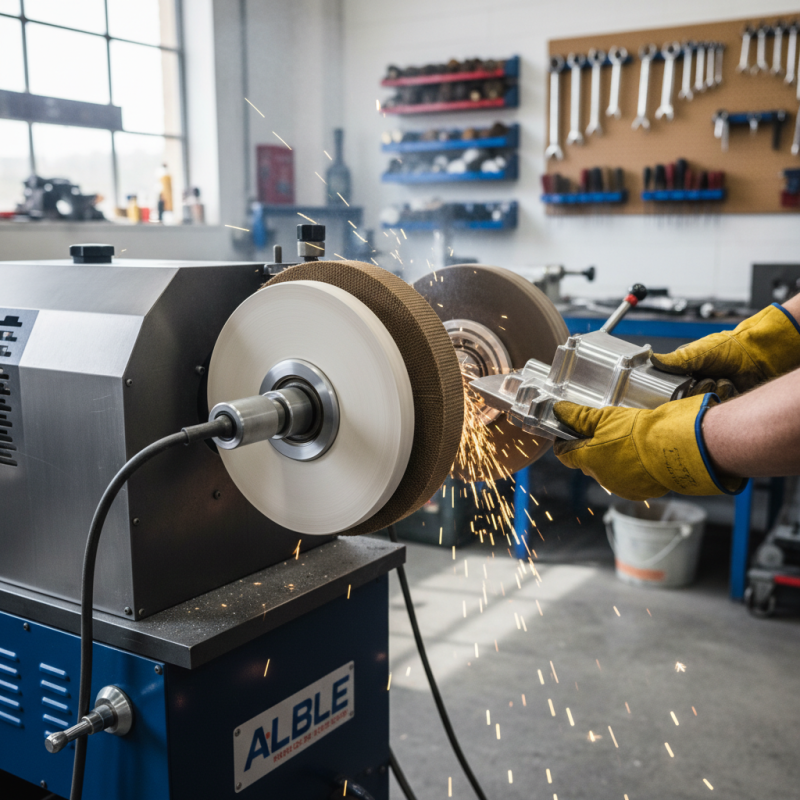
Metal buffing machines play a crucial role in workshops. They enhance the appearance of metal surfaces, creating a polished and professional finish. This process removes scratches, oxidation, and imperfections. The right machine can elevate the quality of your work significantly.
When selecting a metal buffing machine, consider your workflow. Will you be working with large pieces or small components? Different machines cater to different needs. For instance, a bench model can be efficient for small tasks, while a larger floor model suits extensive projects.
**Tip:** Always prioritize safety. Protective gear is essential when operating these machines. Buffing can create fine metal particles that may pose breathing hazards. Fine dust can also impact visibility; using proper ventilation is advisable.
Another important factor is the type of buffing wheel you use. Wheels come in various materials, each suitable for different applications. Consider the materials you'll be buffing. This choice can affect the final finish quality. Take time to research and test different options.
**Tip:** Keep your machine clean. Regular maintenance prolongs machine life and ensures consistent performance. A neglected machine can lead to inconsistent results and frustration. A little diligence goes a long way.
Key Features to Look for in Metal Buffing Machines
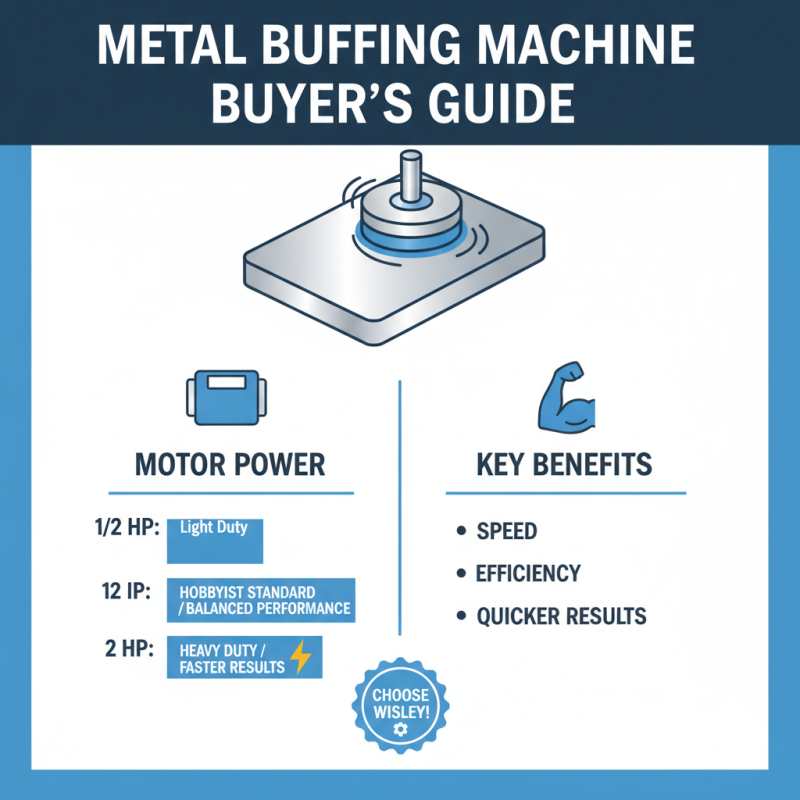
When selecting a metal buffing machine, certain key features are essential. The motor power significantly affects performance. Machines often range from 1/2 to 2 horsepower. Higher power delivers quicker results. Many hobbyists prefer machines with at least 1 horsepower. This ensures adequate speed and efficiency during buffing tasks.
The size of the buffing wheel also matters. A larger wheel can cover more area, reducing time spent on each piece. Machines with 8-inch wheels are common. However, if space allows, consider upgrading to 10-inch or larger wheels. They can enhance productivity and finish quality.
Another critical factor is adjustable speed control. Some machines offer variable speeds, allowing users to adjust according to the material being worked on. A report by the American Society of Mechanical Engineers states that machines with this feature often yield better surface finishes. This variability can be crucial, as inconsistent speeds may lead to uneven results. Users must weigh the benefits of advanced features against their project needs and skill level.
Types of Metal Buffing Machines: Which One is Right for You?
When selecting a metal buffing machine, it's crucial to understand the different types available. One common type is the bench buffer. This machine is compact and designed for small projects. It’s easy to use and ideal for hobbyists or DIYers. However, it may struggle with larger tasks. The limited power can be frustrating when more demanding work arises.
Another popular option is the pedestal buffing machine. These machines are larger and more powerful, making them suitable for heavy-duty tasks. They offer more stability and can handle bigger metal pieces. But, they take up more space. If you have a small workshop, this might not be the best fit.
A less common choice is the floor buffer. These machines are typically more industrial. They are designed for extensive metal finishing, which can be useful for professionals. Yet, they require a significant investment. Assessing your workshop's size and your specific needs is essential before making a decision. Balancing power and space can be challenging. Consider what you truly need versus what looks appealing.
Types of Metal Buffing Machines: Choosing the Right One for Your Workshop
Budget Considerations: Finding the Right Balance for Your Workshop
Choosing metal buffing machines is crucial for your workshop. Budget considerations play a significant role in this decision. It’s essential to find a balance between quality and affordability. Spending too little might lead to poor performance. You may end up with a machine that doesn’t meet your needs.
Look for machines that offer the features you need without breaking the bank. Compare specifications carefully. Some come with multiple wheels for different finishes. Others may have different speed settings. These features can make a difference in your work. However, don’t get distracted by flashy extras that inflate prices.
Consider second-hand options or refurbished machines. They often provide great value. You must weigh the risks, though. These machines might require more maintenance. Each choice you make should reflect your workshop's unique demands. Stay focused and think critically. Finding that sweet spot between quality and cost is the goal. Your workshop deserves the best within your means.
Maintenance Tips for Prolonging the Life of Buffing Machines
Maintaining buffing machines is crucial for their longevity. Regular cleaning is a necessity. Dust and debris can accumulate, impacting performance. After each use, wipe down the machine. Use a soft cloth to remove particles. This simple step does wonders. Don't wait too long; buildup will be harder to manage.
Inspecting the components regularly is vital. Check belts and wheels for wear. A worn belt can slow down the process. Replace any damaged parts immediately. Remember, ignoring these signs leads to bigger issues later. Always have spare parts on hand for quick replacements. It can save you time and frustration.
Lubrication is often overlooked. A well-lubricated machine operates more smoothly. Use the right lubricant for the components. Avoid overdoing it, as excess can attract dirt. It's a balance. Lastly, keep a log of maintenance activities. Reflecting on this can guide future care efforts. Mistakes will happen, but learning from them ensures better practices.
2026 How to Choose the Best Metal Buffing Machines for Your Workshop? - Maintenance Tips for Prolonging the Life of Buffing Machines
| Feature |
Description |
Maintenance Tips |
Expected Lifespan |
| Motor Power |
The strength of the motor, typically ranging from 1/2 HP to 3 HP. |
Regularly check for overheating and ensure proper ventilation. |
5-15 years depending on usage. |
| Buffing Wheel Size |
Varies from 6 inches to 12 inches in diameter. |
Inspect for wear regularly and replace when frayed. |
2-5 years with proper care. |
| Speed Control |
Ability to adjust the speed of the buffing process. |
Clean the controls to prevent residue buildup. |
5-10 years if maintained properly. |
| Dust Collection |
Systems to remove debris and dust while buffing. |
Empty and clean the collection system regularly. |
3-7 years, depending on maintenance frequency. |
| Safety Features |
Includes shields, automatic shutoff, and emergency stops. |
Test safety features regularly to ensure functionality. |
Lifespan varies; focus on functionality is critical. |