Top 10 Grinding Polishing Machine Innovations Revolutionizing Industry?
In recent years, the manufacturing industry has witnessed groundbreaking advances in technology. Among these, the Grinding Polishing Machine stands out as a key innovation. These machines enhance efficiency and precision in various applications. The rise of automated grinding and polishing systems is transforming traditional practices.
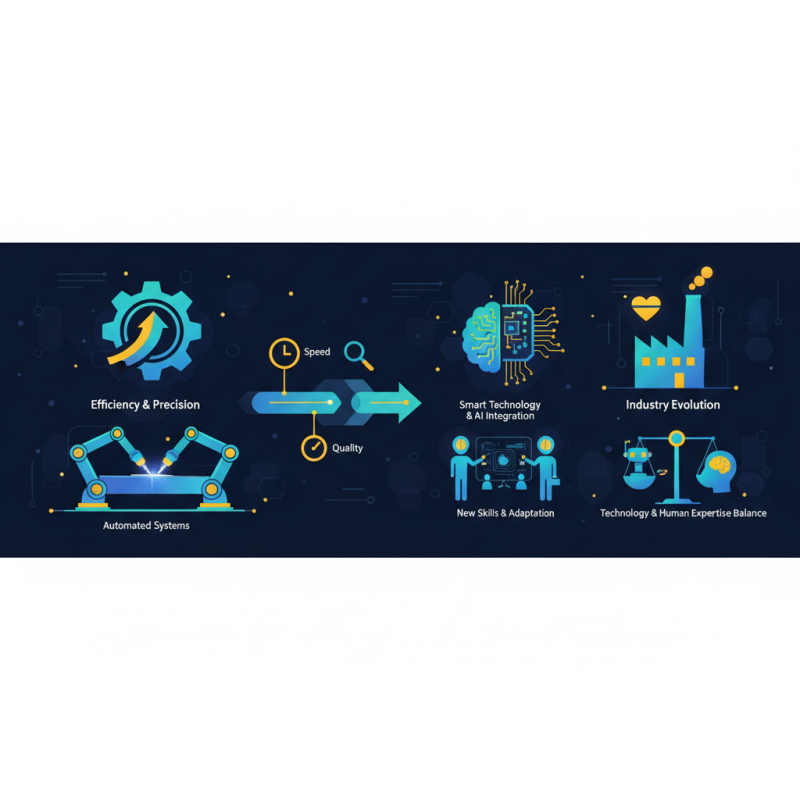
Companies now prioritize speed and quality. Innovations have given rise to machines that operate faster and with greater accuracy. This revolution is not without challenges. The integration of smart technology raises questions about training and adaptation. Workers need to learn new skills to operate these advanced systems effectively.
As the industry evolves, companies must reflect on their practices. While innovations improve output, it's essential to consider the impact on workforce dynamics. The future of Grinding Polishing Machines offers exciting possibilities but requires a balance between technology and human expertise.
Top Innovations in Grinding and Polishing Machines for 2023
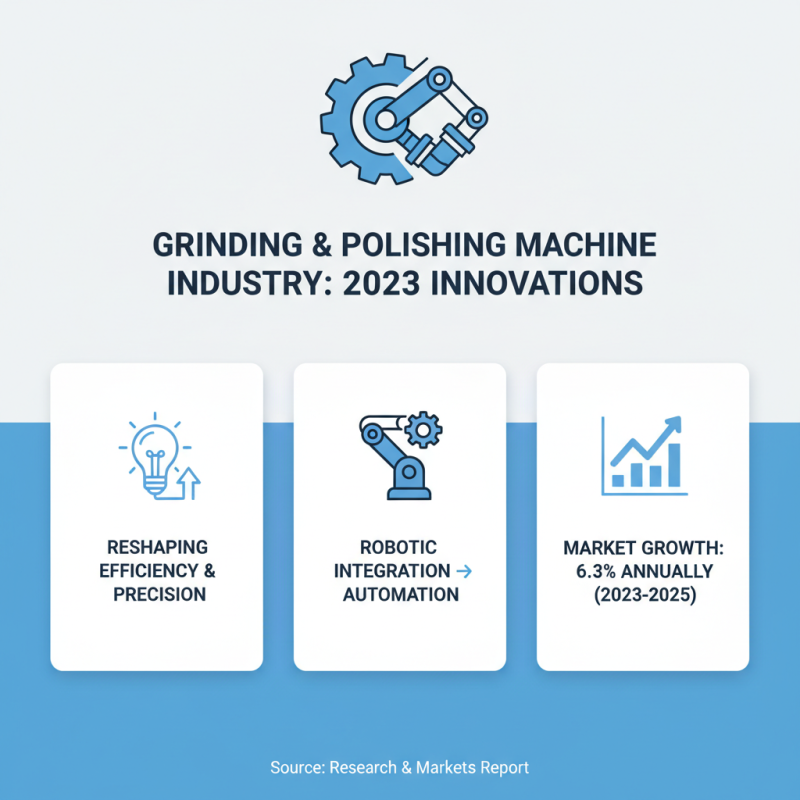
The grinding and polishing machine industry is undergoing notable changes in 2023. Innovations are reshaping efficiency and precision. For instance, robotic integration is improving automation. According to a report by Research and Markets, the market is expected to grow by 6.3% annually through 2025. This growth reflects the increasing demand for high-quality finishes in various sectors.
One key innovation is the development of advanced abrasives. These materials enhance durability and effectiveness. Enhanced efficiency leads to reduced downtime. However, the transition to new technologies can pose challenges. Operators may need retraining to adapt to these systems. Ensuring the workforce is equipped with the right skills is essential for maximizing new machine capabilities.
Moreover, eco-friendly features are gaining traction. Many machines now use less energy and produce fewer emissions. This aligns with global sustainability goals. However, balancing performance with environmental responsibility remains complex. Some manufacturers may struggle to meet both demands. As we embrace these changes, continuous evaluation will be crucial.
Key Industry Data: Market Size and Growth of Grinding Machinery
The grinding machinery market is experiencing notable growth. Recent data shows a steady increase in demand for advanced grinding and polishing technologies. Companies are seeking ways to enhance efficiency and precision. Innovation is key in meeting these needs, driving market expansion.
One significant trend is the shift toward automation in grinding processes. Automation improves consistency but presents challenges in workforce adaptation. Workers must reskill to keep pace with the technology. Additionally, eco-friendly products are gaining traction. Manufacturers are exploring sustainable materials and processes to reduce environmental impact.
However, the industry must also address quality issues. Some machines fall short of performance expectations. This can lead to wasted resources and missed opportunities. Continuous feedback and improvements are necessary for sustained success. The journey toward optimal grinding solutions is ongoing and requires commitment from all stakeholders involved.
Breakthrough Technologies in Grinding and Polishing: Automation Trends
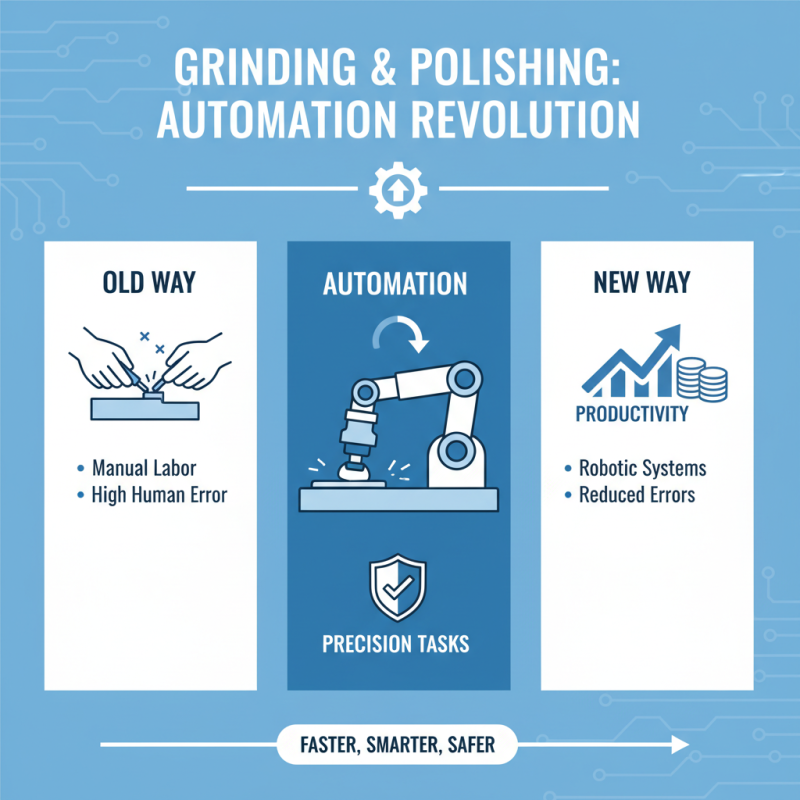
The field of grinding and polishing is experiencing rapid transformations. Automation is at the forefront of these changes. More companies invest in robotic systems that streamline operations. These innovations reduce the need for manual labor. As robots handle precise tasks, the potential for human error decreases. This boosts overall productivity.
However, not all automation efforts are flawless. Some machines struggle with complex surfaces. They sometimes miss imperfections that a skilled worker would catch. The challenge lies in perfecting these automated systems. Companies must invest in training and integration for seamless operations. While automation can improve consistency, it’s not a complete solution.
Advances in technology bring new dynamics. Smart sensors are becoming common. They monitor grinding and polishing in real-time. These sensors can alert operators of potential issues, providing another layer of oversight. Despite these improvements, reliance on technology may lead to complacency in skill development. Balancing automation with human expertise remains crucial as the industry evolves.
Efficiency Enhancements: Reducing Cycle Times with New Machinery
In today’s manufacturing landscape, efficiency is paramount. Innovations in grinding and polishing machines are spearheading this change. New technologies are decreasing cycle times significantly. These advancements allow for faster processing without compromising quality. For instance, automated systems now adjust speeds in real-time. This ensures optimal performance based on specific materials. The result is smoother surfaces with less manual intervention.
However, the integration of new machinery is not without challenges. Companies must invest time in training staff. A machine is only as good as its operator. If workers struggle to adapt, productivity can stall. Some have reported initial setbacks during implementation. Mistakes often occur due to a lack of understanding. It’s essential to address these issues early on to prevent long-term complications.
Moreover, while machines enhance efficiency, they can introduce complexities. Maintenance schedules can become more demanding. Newer machines often require specialized parts. Disruptions can lead to downtime and increased costs. Balancing speed with reliability becomes crucial. Industry players must continuously evaluate their processes. Only then can they truly harness the potential of these innovations.
Top 10 Grinding Polishing Machine Innovations Revolutionizing Industry
| Innovation |
Description |
Efficiency Improvement (%) |
Cycle Time Reduction (Minutes) |
Material Compatibility |
| Adaptive Grinding Systems |
Real-time adjustments to grinding parameters for optimal results. |
25% |
10 |
Metals, Plastics |
| CNC Grinding Machines |
Computer numerical control for precise and repeatable grinding operations. |
30% |
15 |
Ceramics, Metals |
| Ultrasonic Polishing |
Combines ultrasonic vibrations with polishing for finer finishes. |
35% |
12 |
Glass, Metals |
| Robotic Polishing |
Automated robots for consistent and efficient surface finishing. |
40% |
8 |
Composites, Metals |
| Eco-Friendly Abrasives |
Sustainable materials for effective grinding and polishing. |
20% |
5 |
Various |
| Smart Monitoring Systems |
IoT technology for real-time monitoring and predictive maintenance. |
15% |
3 |
Metals, Plastics |
| 3D Printed Polishing Tools |
Customization of tools for specific applications using 3D printing. |
22% |
9 |
Various |
| Variable Speed Polishing |
Adjustable speeds for different materials and tasks. |
18% |
4 |
Metals, Composites |
| Safety Enhancements |
New safety features to protect operators during grinding. |
N/A |
N/A |
Various |
Sustainability in Grinding and Polishing: Eco-Friendly Innovations
The grinding and polishing industry is undergoing significant changes. Sustainability is now a primary focus. Eco-friendly innovations are becoming essential. According to a recent report, around 47% of manufacturers are investing in green technologies. This shift is driven by a growing demand for responsible practices.
One notable development includes the use of biodegradable lubricants in grinding processes. These lubricants reduce environmental impact. They also improve worker safety by minimizing exposure to harmful chemicals. Another innovation is energy-efficient machinery. Studies show that using such machines can reduce energy consumption by up to 30%. This not only cuts costs but also lowers carbon footprints.
Despite these advancements, challenges remain. Not all companies adopt these sustainable practices, leading to inconsistencies. Some traditional methods still linger, posing risks to both the environment and worker health. There’s a need for more robust education and training in eco-friendly techniques. As the industry evolves, a collective effort is essential for meaningful change.
Top 10 Grinding and Polishing Machine Innovations